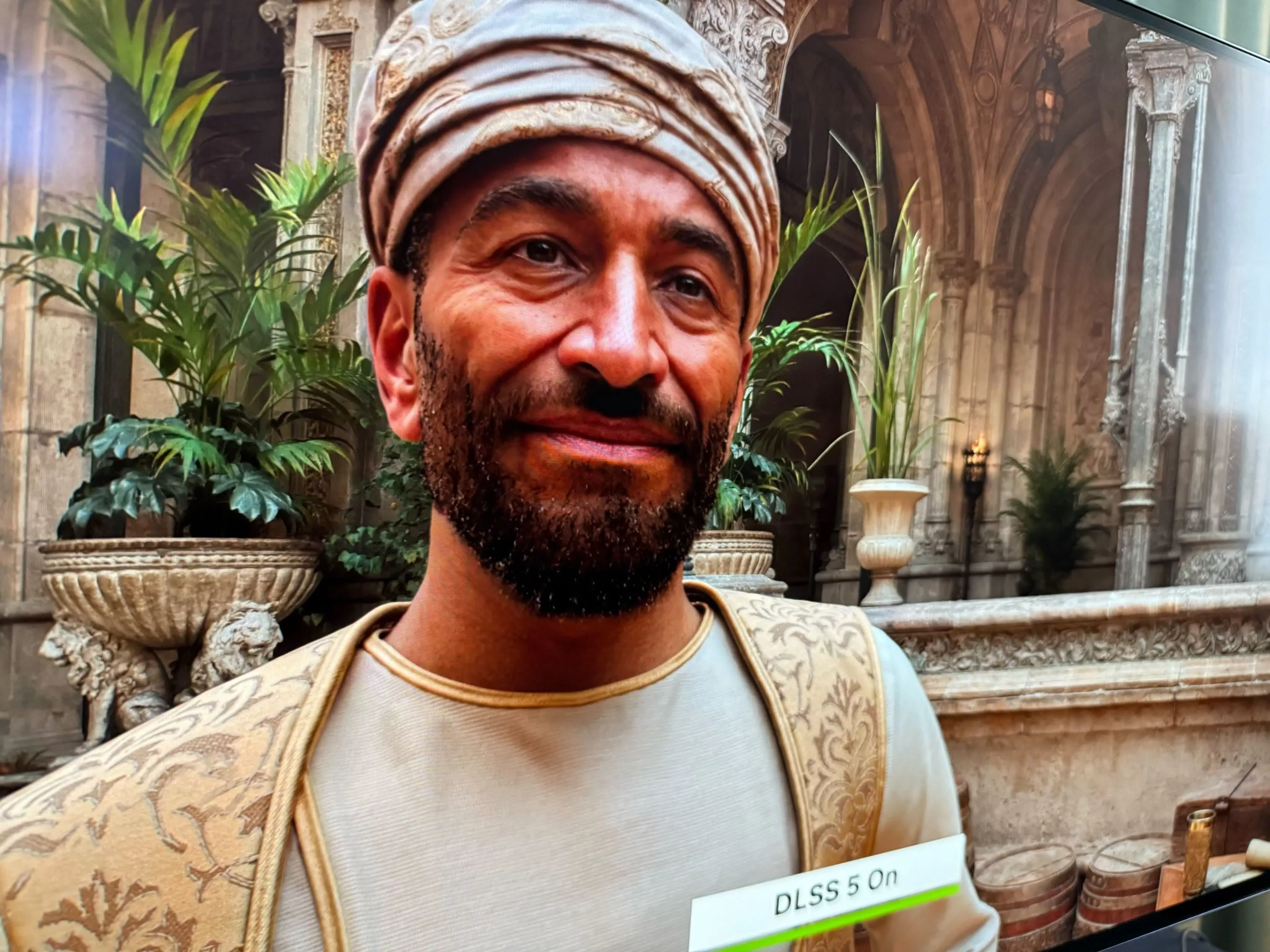
A hot potato: Do you think DLSS 5 makes games resemble AI slop? That it's little more than an AI filter inserted into titles that neither wanted nor needed it? If you are one of these many people, Nvidia boss Jensen Huang wants you to know that you're "completely wrong."
Few technologies have faced as much criticism upon their reveals as DLSS 5. The vast majority of gamers are aghast at the way it gives characters a typical AI-generated uncanny valley appearance – especially Resident Evil Requiem's Grace Ashcroft and Leon Kennedy – as opposed to the "photorealistic" look Nvidia claims.
Tom's Hardware editor-in-chief Paul Alcorn asked Huang about the criticism in a recent Q&A session.
"Well, first of all, they're completely wrong," Huang said. "The reason for that is because, as I have explained very carefully, DLSS 5 fuses controllability of the of geometry and textures and everything about the game with generative AI."
Huang then repeated Nvidia's previous disclaimer: that developers have full, detailed artistic control over DLSS 5's effects to ensure they maintain their game's unique aesthetic, and that they can "fine tune the generative AI" to match the intended style.
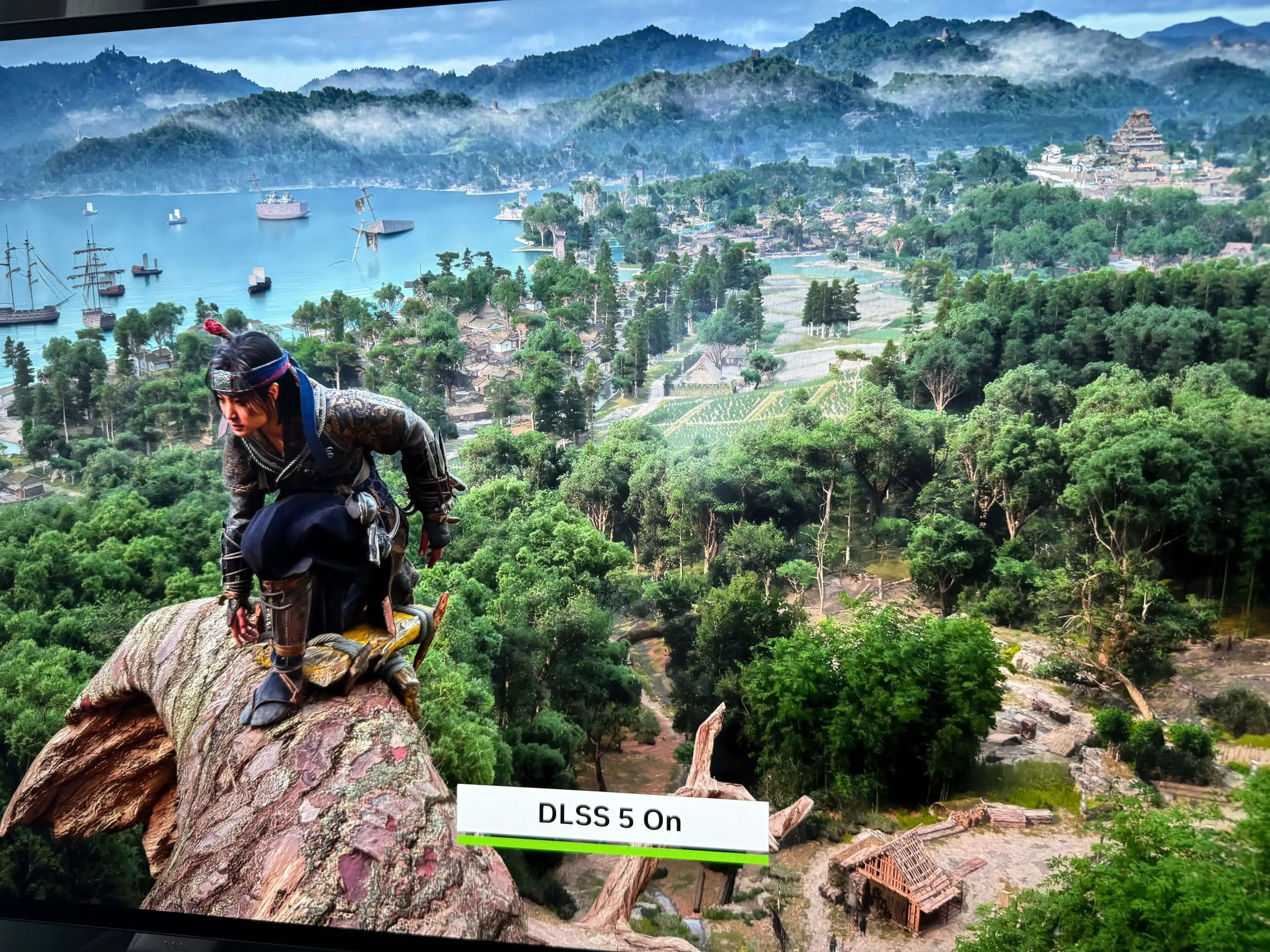
"It's not post-processing, it's not post-processing at the frame level, it's generative control at the geometry level," he said.
Huang added that it's up to developers to use DLSS 5 however they like. "This is very different than generative AI; it's content-control generative AI. That's why we call it neural rendering," he concluded.
– Hardware Unboxed (@HardwareUnboxed) March 16, 2026
We recently published Ryan Shrout's take on DLSS 5. The analyst saw the technology running live and was very impressed, emphasizing that it's not just a face filter but a tool that amplifies good rendering.
Also read: I saw DLSS 5 running across multiple games. It's not a face filter.
Despite Huang's explanations, everyone has their own opinion on DLSS 5. An interesting Reddit post argues its biggest problem is not that it looks "too AI" or betrays artistic intent, but that its tone mapping is overly aggressive, creating an ugly, overcooked HDR effect that distorts lighting, color, and mood.
User Veedrac argues that the relighting underneath is often genuinely strong, but that DLSS 5's heavy-handed HDR-style processing muddies the result.
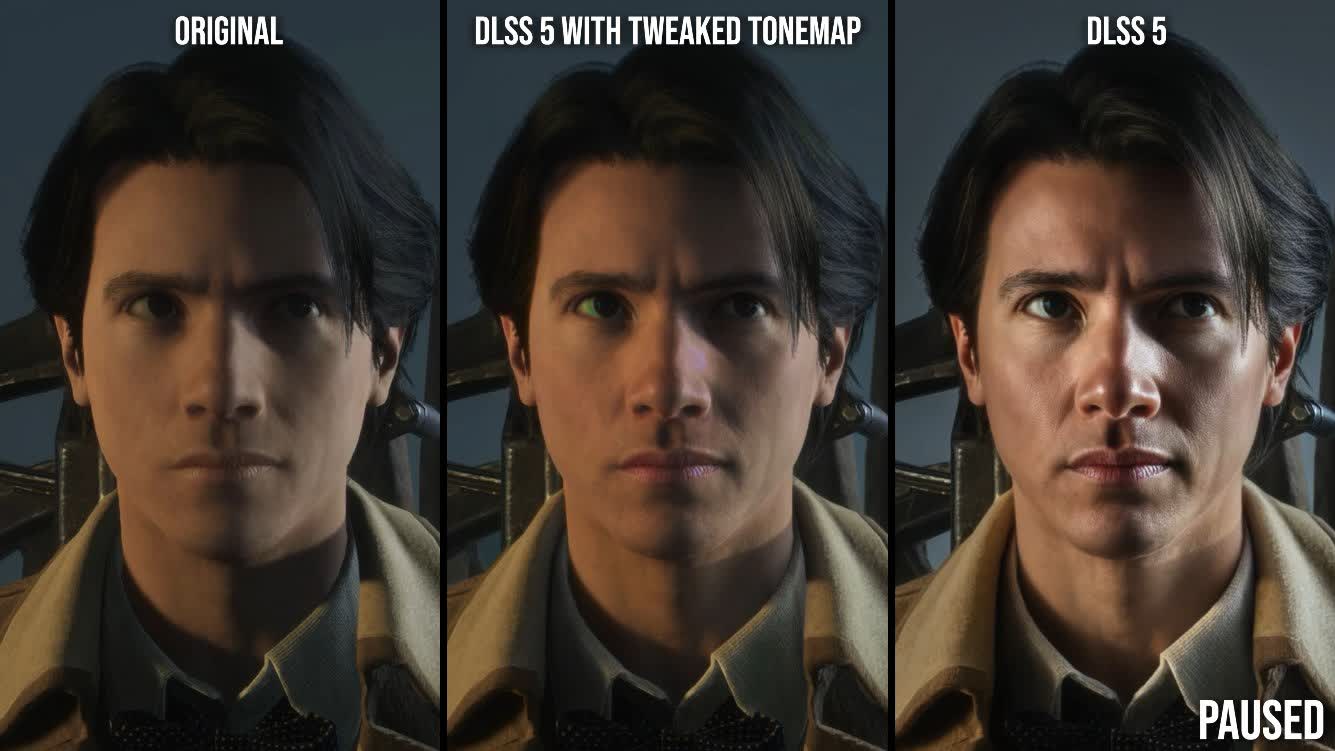
By blending DLSS 5 with elements of the original image – such as restoring some of the original saturation, lightness, and darker tones – the post says it is possible to keep the improved lighting while making scenes look more natural and faithful.
DLSS 5 – Fixing it in post
by u/Veedrac in hardware
After comparing several images, Veedrac concludes that many of DLSS 5's gains are real, but are being overshadowed by bad tone mapping that Nvidia should dial back.
This isn't the first time Huang has clapped back at critics of something his company is heavily invested in. In January, the CEO said the relentless negativity around AI is hurting society and has "done a lot of damage."