Connecting the dots: Early reactions to Nvidia's DLSS 5 were swift and skeptical, with some observers likening the technology to an Instagram-style filter applied over gameplay footage. Nvidia CEO Jensen Huang refuted the allegations, but subsequent clarifications have helped outline how the system actually works – and where it can fall short.
According to Nvidia's press materials, DLSS 5 enhances lighting and material interactions without modifying underlying geometry. The company later reiterated this point to HotHardware, while TechSpot also highlighted commentary from Ryan Shrout arguing the tech is not simply a post-processing filter. However, in email exchanges with YouTuber Daniel Owen, Nvidia spokesperson Jacob Freeman clarified that DLSS 5 does not rely on an explicit understanding of 3D scene data for lighting or characters.
That explanation aligns with both Nvidia's official description and Shrout's analysis: DLSS 5 infers lighting and material behavior by analyzing individual frames rather than reconstructing full scene geometry. Digital Foundry has since confirmed that this approach can introduce errors, particularly when objects become occluded. In some cases, shadows can flicker or disappear when characters move across them.
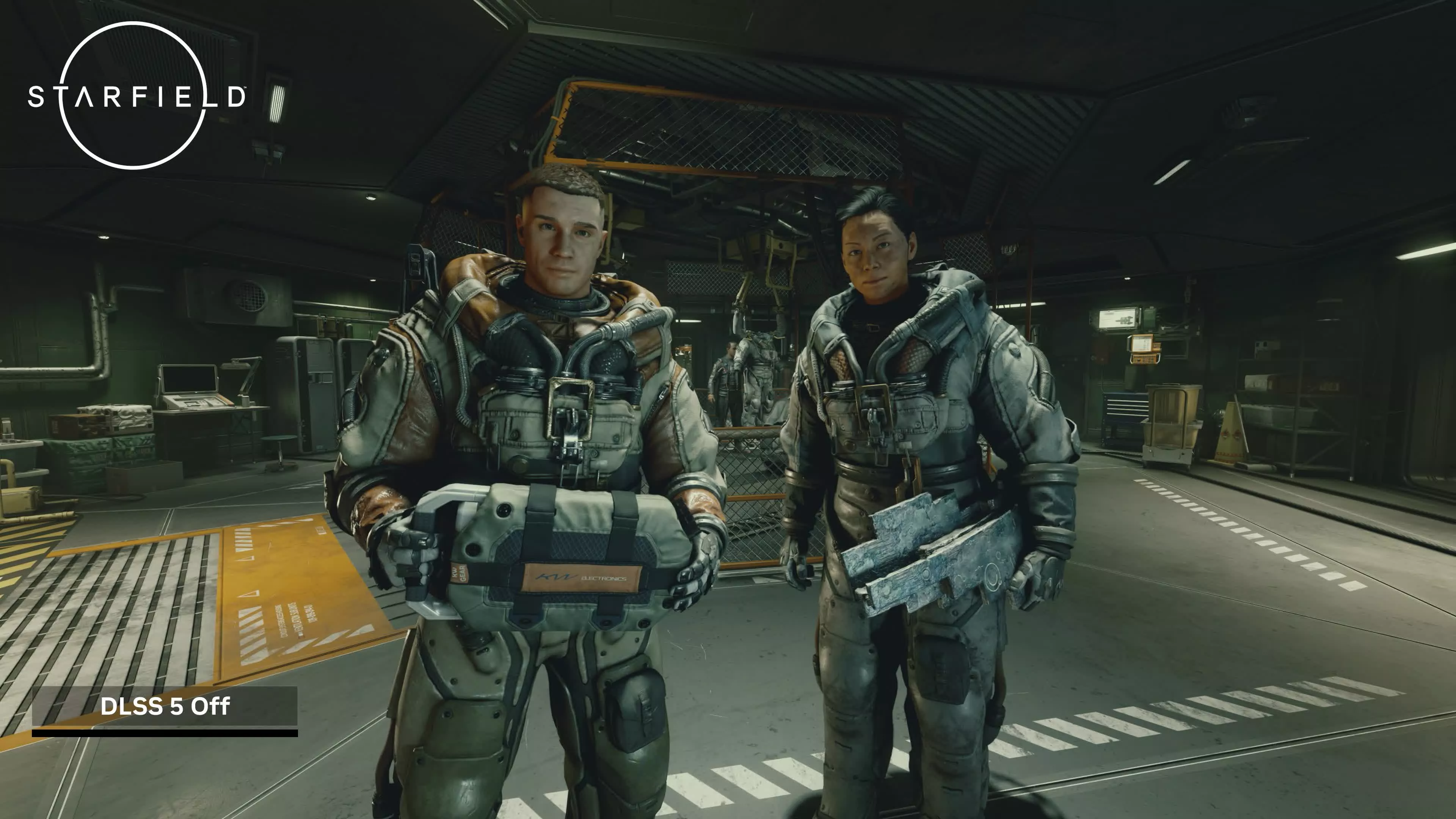
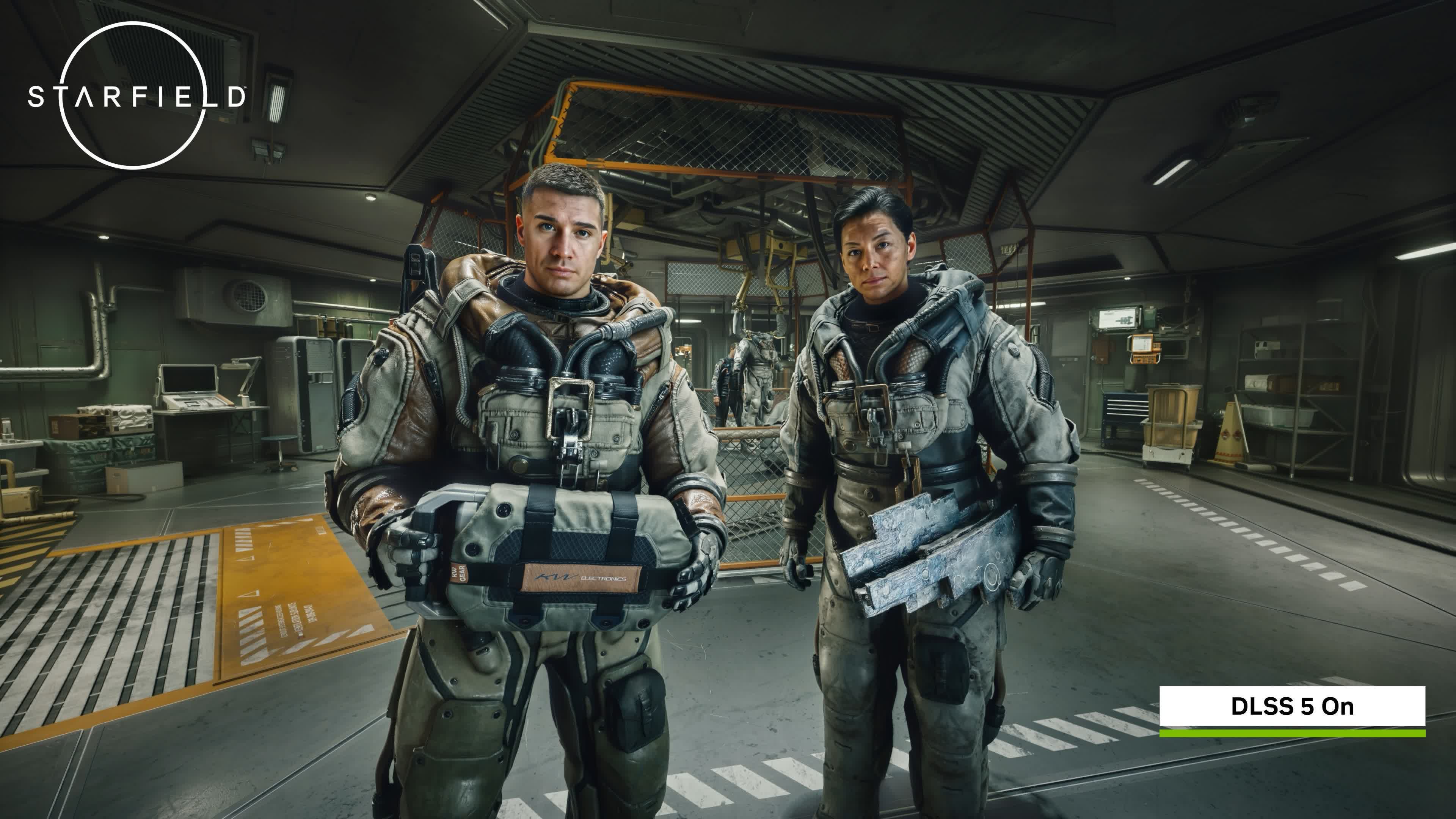
Owen's testing highlights additional edge cases. While early criticism centered on a widely shared image from Resident Evil Requiem, another example from Starfield presents more clear-cut anomalies. Some viewers interpreted these issues as the system altering facial features, but closer inspection suggests most differences stem from changes in lighting, shadowing, and simulated skin translucency.
The now infamous Resident Evil comparison itself is somewhat misleading. Nvidia's promotional slider juxtaposes two different frames, where characters have shifted or left the scene entirely. Interestingly, the video thumbnail uses a separate frame pairing that, when aligned, shows DLSS 5 largely preserving the original character model.
The Starfield example is harder to dismiss (above). In a shot of two characters wearing spacesuits, the man on the left exhibits visible inconsistencies – his hair appears altered, and a shadow near his right nostril expands in a way that resembles a change in facial structure. When pressed on these issues, Freeman acknowledged that DLSS 5 remains an early preview. The system is not designed to modify scene details, but it can do so unintentionally.
What remains less clear is how the model was trained. Critics, including Owen, have speculated that DLSS 5 may rely on broad internet-sourced data, similar to large language models like GPT. Nvidia, for its part, has only described the system as a "unified model," without clarifying whether it builds on earlier DLSS architectures.
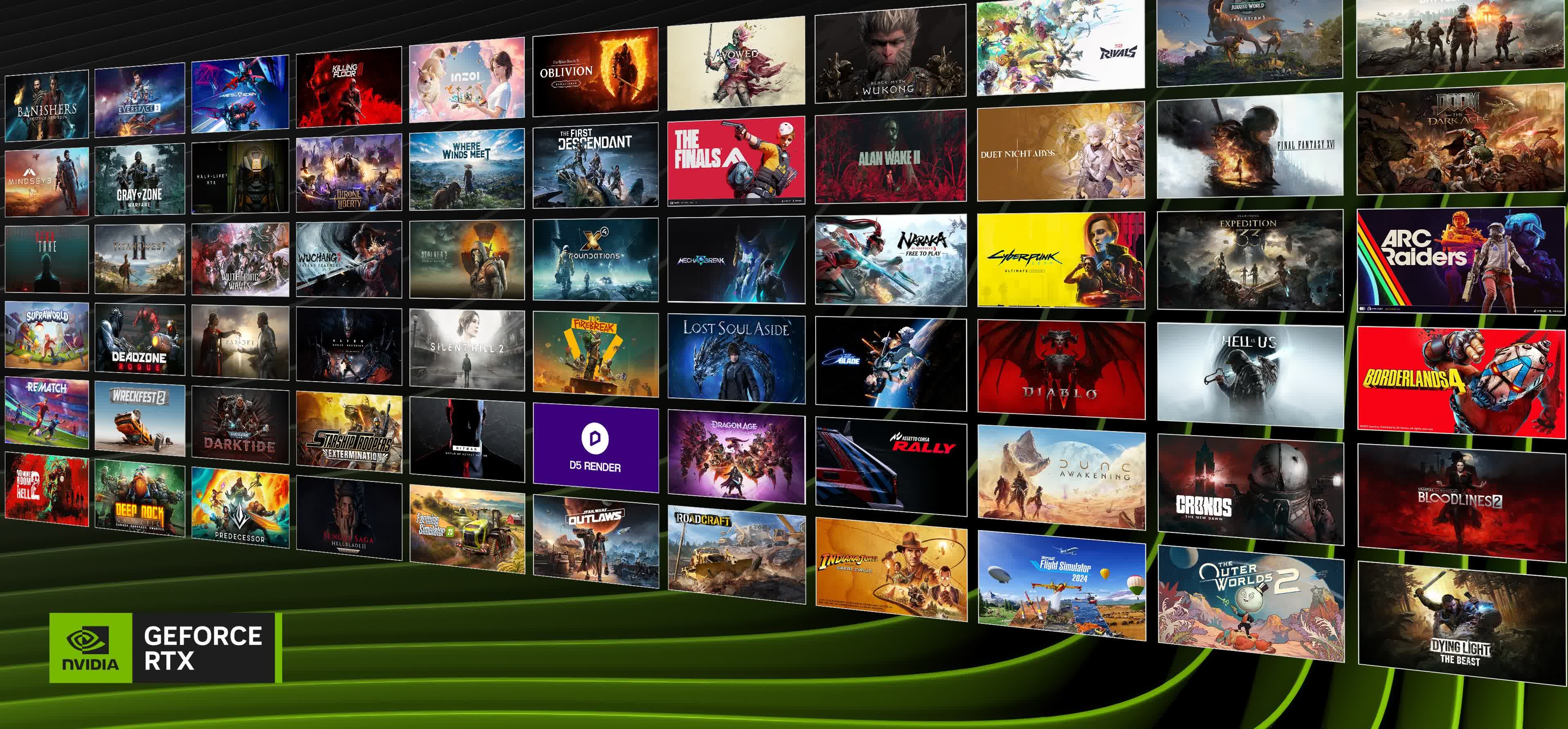
Developer involvement is another open question. Nvidia's announcement includes endorsements from Bethesda, Ubisoft, and Capcom, and like prior DLSS versions, the technology likely requires some level of manual integration. However, anonymous developers from Capcom and Ubisoft told Insider Gaming they were unaware of DLSS 5 prior to its reveal.
Even with adjustable intensity and exclusion controls, the risk of visual inconsistencies and potential for hallucinations remains. If those artifacts persist, they could complicate how developers balance DLSS 5's visual gains against the integrity of a game's original artistic direction.