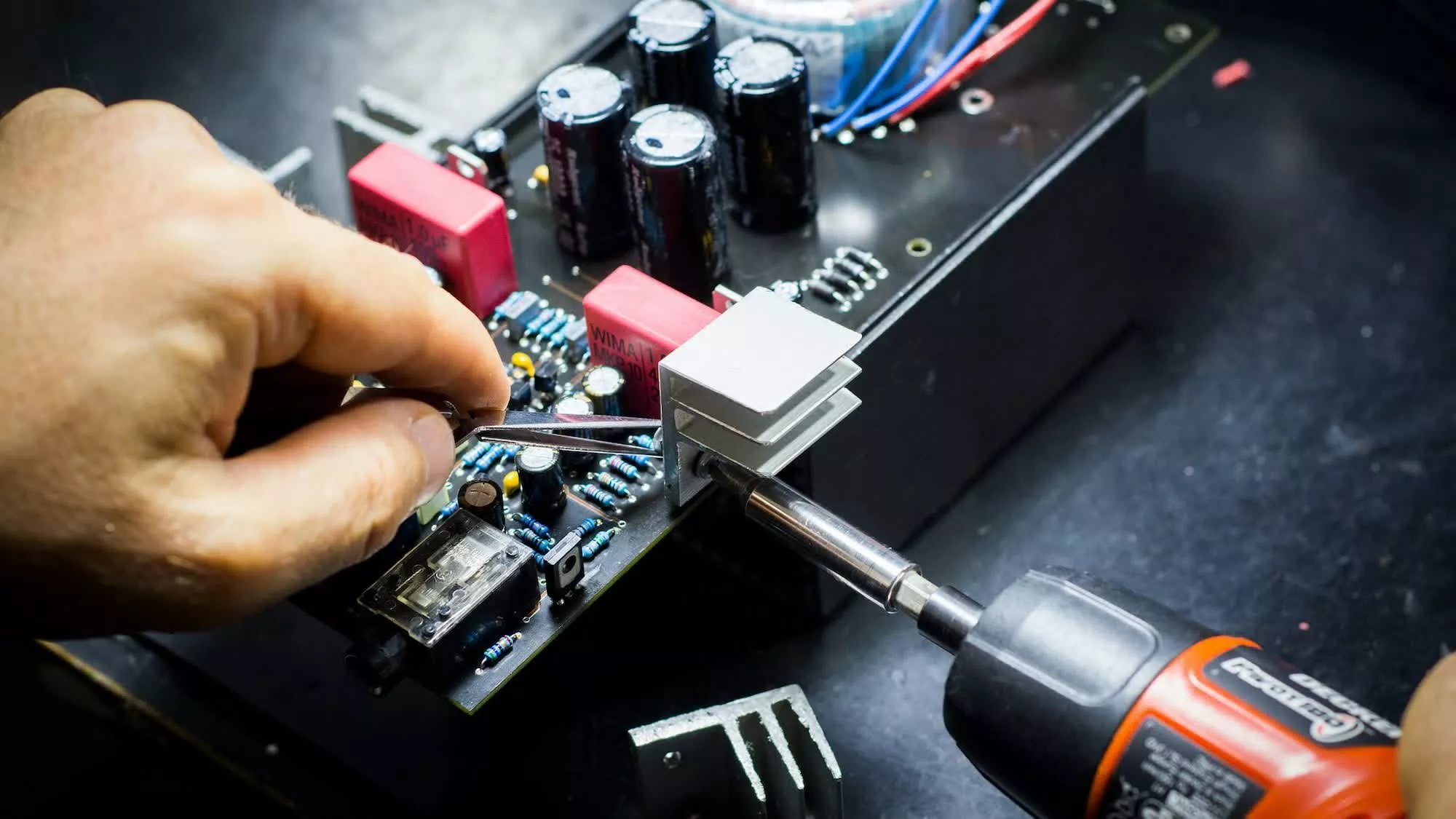
A hot potato: Colorado has become one of the biggest right-to-repair battlegrounds in the US, passing laws that give consumers and independent shops more freedom to fix everything from wheelchairs to farm equipment and electronics. Now, some major tech companies are backing a bill that critics say could seriously undermine those protections.
Colorado has earned a reputation as the national leader in right-to-repair legislation. Since 2022, the state has approved measures covering powered wheelchairs, agricultural equipment, and consumer electronics, forcing manufacturers to provide the parts, tools, software, and documentation needed for repairs.
But as first reported by Wired, that progress is under threat from Senate Bill 26-090, a proposal that would exempt certain "information technology equipment" used in "critical infrastructure" from Colorado's consumer right-to-repair law.
Supporters of the bill, including Cisco and IBM, argue that enterprise hardware tied to sensitive infrastructure should be treated differently from consumer devices.
As we've seen many times before in similar arguments from tech firms, the justification being used here is cybersecurity. The companies say that giving broader access to repair tools and systems could create new opportunities for bad actors.

Unsurprisingly, critics of the bill are not buying it. The biggest issue is the language itself. Opponents say terms like "information technology equipment" and "critical infrastructure" are broad enough to cover far more than just a narrow category of sensitive systems.
Depending on how the law is interpreted, the exemption could apply to servers, routers, computers, and other hardware in a wide range of environments. In other words, what sounds like a targeted exception could turn into a massive loophole.
That is why repair advocates see the bill as a direct attempt to claw back rights that consumers and independent repair shops have only just gained. If manufacturers can decide which devices qualify for exemption, they effectively regain control over who can access repair parts, software, and service information.
As Wired notes, groups including PIRG, the Repair Association, iFixit, and repair advocate Louis Rossmann spoke against the measure during the hearing. They argue that restricting repairs does not automatically improve security, and forcing organizations to wait on manufacturers for permission or access can leave critical systems offline for longer when something breaks.
Companies often frame opposition around safety, security, or product integrity, but there is also a clear financial incentive in keeping repair locked inside official channels.
Back in 2023, Colorado became the first US state to pass a right-to-repair law for farmers. At the time, John Deere warned about the "unintended consequences" stemming from the new legislation.