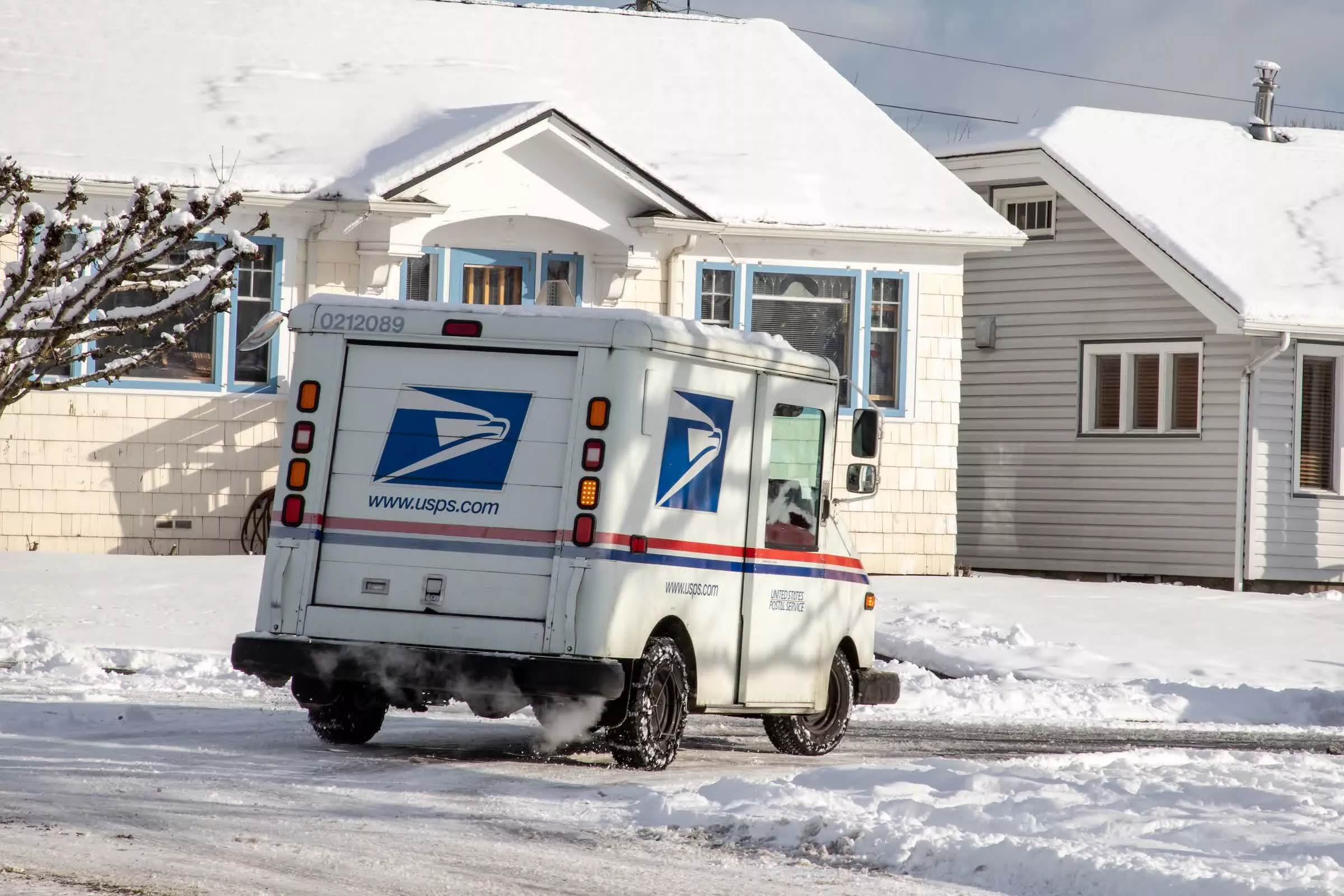
What just happened? Amazon and the US Postal Service have struck a new deal that preserves most of their long-running shipping partnership, stabilizing both the e-commerce giant's delivery network and the cash-strapped federal mail agency. The agreement, confirmed by people familiar with the matter, ensures the USPS will continue handling roughly 80% of Amazon's package volume – a far smaller reduction than the two-thirds cut the company had previously threatened.
For the Postal Service, which reported a $9 billion net loss last year, the deal averts what could have been a serious revenue shock. Amazon accounts for nearly 15% of USPS package deliveries nationwide, translating to about $6 billion annually. Any major pullback by the tech company – which already operates its own fast-growing logistics network – would have deepened the agency's budget crisis and accelerated its search for new revenue sources.
The revised arrangement still represents a 20% reduction in package volume, subject to approval by the Postal Regulatory Commission. Even at that reduced scale, the USPS stands to lose hundreds of millions of dollars in annual income at a time when it is trying to offset declining first-class mail volumes and rising operational costs. Since 2007, the USPS has posted cumulative losses exceeding $118 billion, according to agency disclosures.
"We're pleased to have reached a new agreement with USPS that furthers our longstanding partnership and will let us continue supporting our customers and communities together," an Amazon spokesman said. The Postal Service did not immediately comment.
The agreement follows months of tense negotiations after the USPS initiated a new bidding process for last-mile delivery services, a move some viewed as an attempt to reprice access for large shippers. Postmaster General David Steiner said in December that the bidding process was designed to "determine the true market value" of the service, a critical component of Amazon's fulfillment network.

Last-mile logistics are where Amazon's delivery operations intersect most deeply with USPS technology and infrastructure. The federal mail system's near-universal address coverage has enabled Amazon to sustain rapid delivery in rural areas, where private carriers often struggle to match its reach or costs. Amazon has invested heavily in building that capability in-house, pledging more than $4 billion to expand rural delivery coverage by the end of 2026.
That expansion has been complemented by Amazon's use of smaller carriers and parcel partners, although major operators such as FedEx and UPS have periodically scaled back their relationships with the company.
Meanwhile, the Postal Service continues to grapple with rising expenses. It has asked regulators to approve a temporary 8% rate hike on Priority Mail and package deliveries, effective later this month, and Steiner has floated raising the price of a first-class stamp to 95 cents from 78 cents to help stem losses.
The new Amazon – USPS agreement is not a long-term fix for either side. For Amazon, it preserves continuity in rural delivery logistics as its proprietary network expands. For the USPS, it buys time to stabilize revenue as technology reshapes the nation's delivery landscape.