Ripple effect: With negotiations stalling between Samsung's labor union and management, the proposed 18-day strike at the company's Pyeongtaek and Hwaseong factories appears inevitable. Consumers and electronics manufacturers are already reeling from the ongoing memory crunch and the resulting price hikes, and industry insiders fear that a strike could further disrupt the global supply chain, exacerbating the memory crisis.
According to industry observers and supply chain experts cited by South Korean media outlets News1 and Dong-A Ilbo, the proposed strike at Samsung's Pyeongtaek and Hwaseong factories could cut global DRAM supply by 3-4% and NAND flash supply by 2-3%. Employees affiliated with the National Samsung Electronics Union already reduced wafer transfer volume from the night shift on April 23, just hours after the union announced that it plans to go ahead with the proposed strike.
Sources say production in Samsung's foundry division fell by about 58.1% after the strike was announced, while the Giheung S1 line registered a 74.3% drop in total output. The memory business was relatively less affected, registering an 18.4% overall decline, but most of the production cutbacks were reportedly in the consumer DRAM sector, with things expected to get worse if the strike materializes.
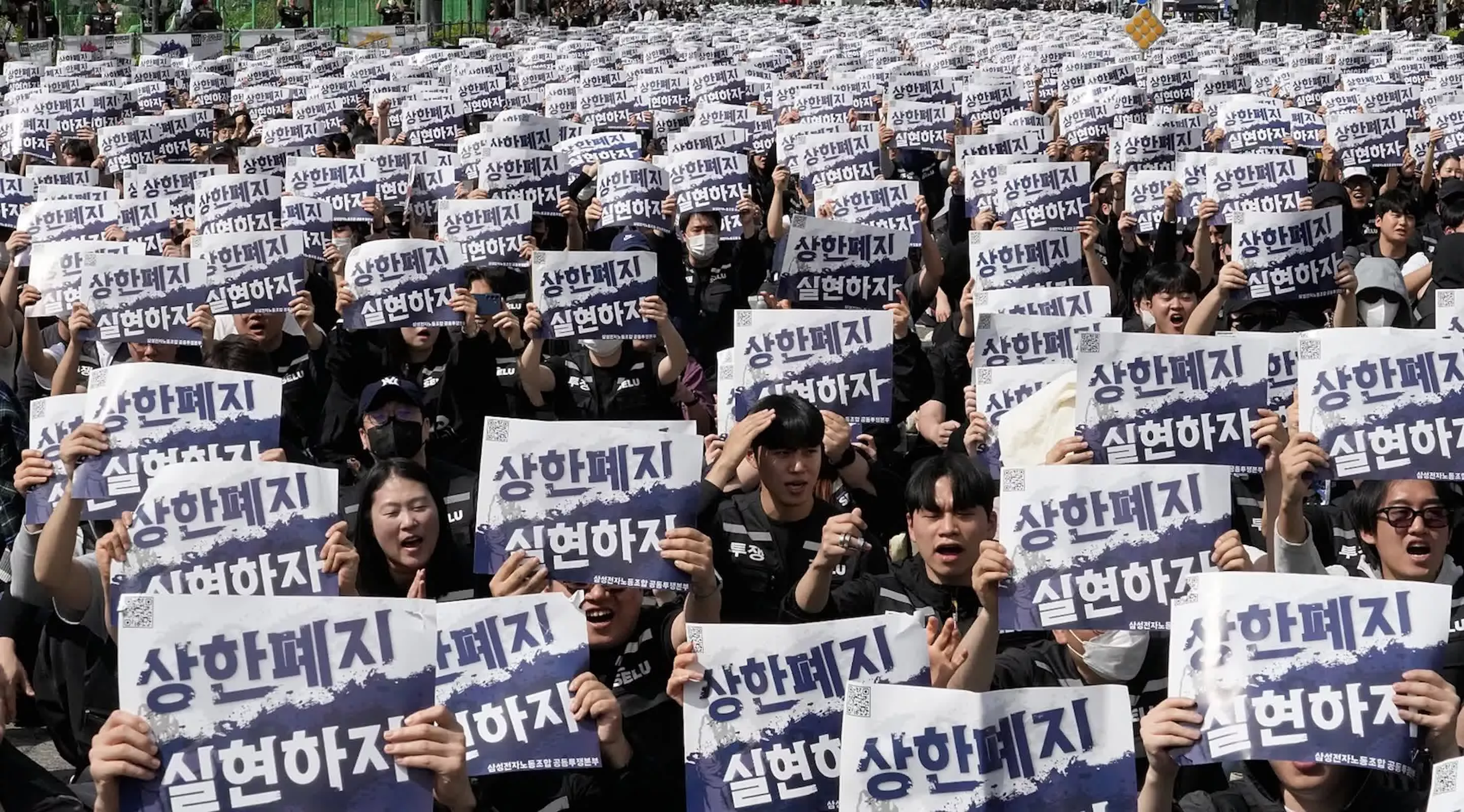
The strike would be bad news for Samsung, with the company estimated to incur losses of 20-30 trillion won ($13-20 billion) if it lasts for the full 18 days. It would also mean a 36-day production blackout, with post-strike recovery estimated to take at least 2-3 weeks. According to supply chain experts, engineers will utilize the recovery period to do a full cleanroom reset and tool recalibration before ramping up yield.
The Samsung Group's umbrella trade union reiterated last week that it will proceed with the proposed 18-day general strike from May 21 through June 7 if the company does not meet its demands. At the heart of the dispute is the union's demand that the company distribute 15% of its profits to employees as bonuses, citing record earnings generated by the AI memory boom. The union is also demanding the removal of the existing cap on performance-based bonuses, which limits bonus payouts to 50% of annual salary.
The demands are partially driven by the massive bonuses being paid by fellow South Korean semiconductor firm SK Hynix. According to reports, the company has agreed to pay around 700 million won (about $477,000) per employee in performance-based bonuses from windfall profits generated by the AI boom. With the AI chip supercycle expected to continue into 2027, those bonuses could rise to roughly $900,000 next year.