
Forward-looking: Users looking to connect analog game consoles to modern digital displays typically must choose between low-quality HDMI converters and high-end upscalers costing several hundred dollars. Pixel FX's upcoming Morph 2K aims to dramatically lower the entry cost for high-quality conversion of composite video signals.
Pre-orders for the recently announced Morph 2K analog-to-digital video converter open on June 1, starting at $199. The device is essentially a budget version of Pixel FX's earlier Morph 4K, dropping support for 4K output.
Although many users who no longer own retro consoles, such as an NES or PlayStation 2, may be satisfied with emulation for playing classic games on modern displays, others still own authentic hardware but lack the CRTs those systems were designed for. Because modern panels cannot natively process 240p signals and only support digital inputs such as HDMI or DisplayPort, connecting them to consoles from the pre-HD era requires complex signal conversion.
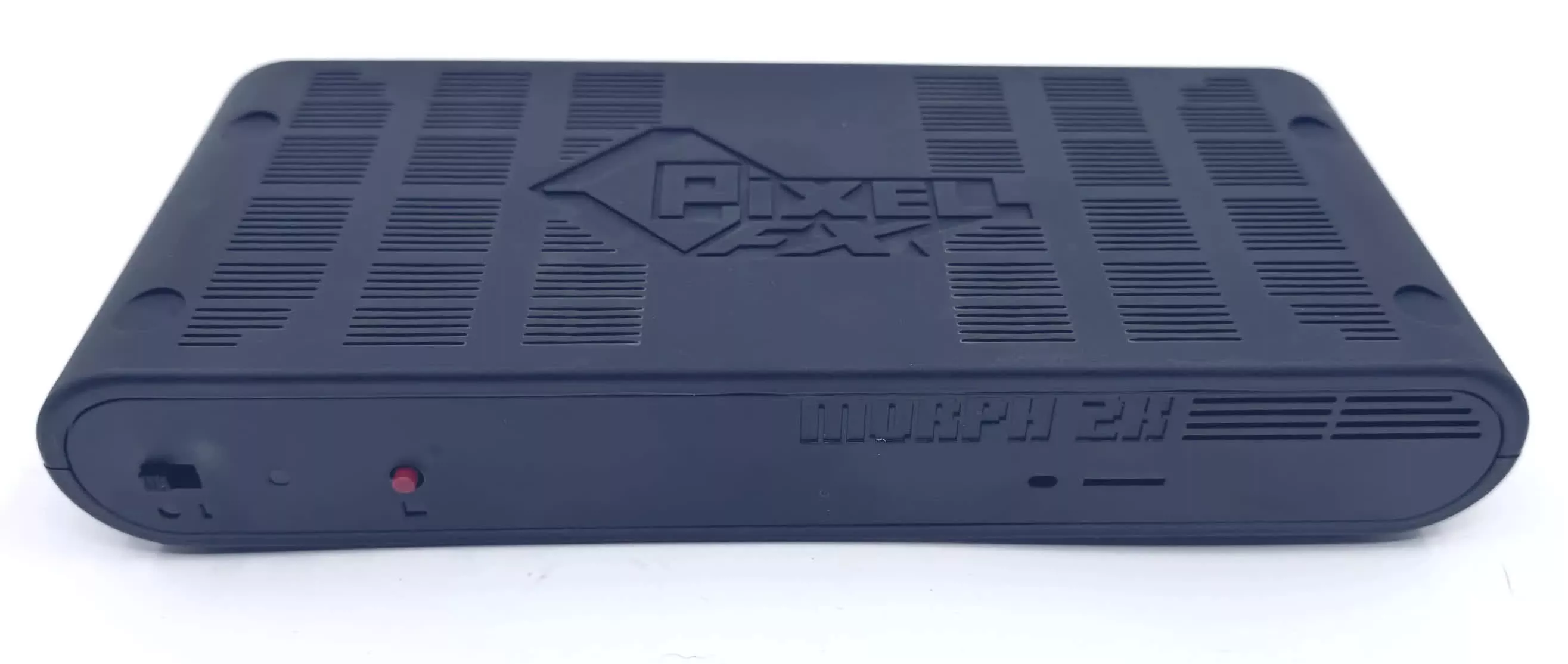
While simple composite-to-HDMI converters will produce an image, the result is usually not very good and often introduces significant input lag. Better options, such as the XRGB Framemeister or the Open Source Scan Converter Pro, typically cost around $300 to $400.
Native 4K upscalers have also recently emerged, but they are at least as expensive. The flagship RetroTINK-4K Pro starts at $750, while the 4K-CE drops a few features to bring the price down to $475. The RetroTINK-5X Pro reaches 1440p for $325.
Meanwhile, Pixel FX's Morph 4K offers similar features starting at $275 for a variant that only upscales low-resolution HDMI devices (such as the Xbox 360 or original Nintendo Switch). However, adding support for common analog inputs such as composite or S-Video raises the price to around $375. Additionally, the cheapest OSSC model starts at €115 (about $134), but composite support again requires add-ons.
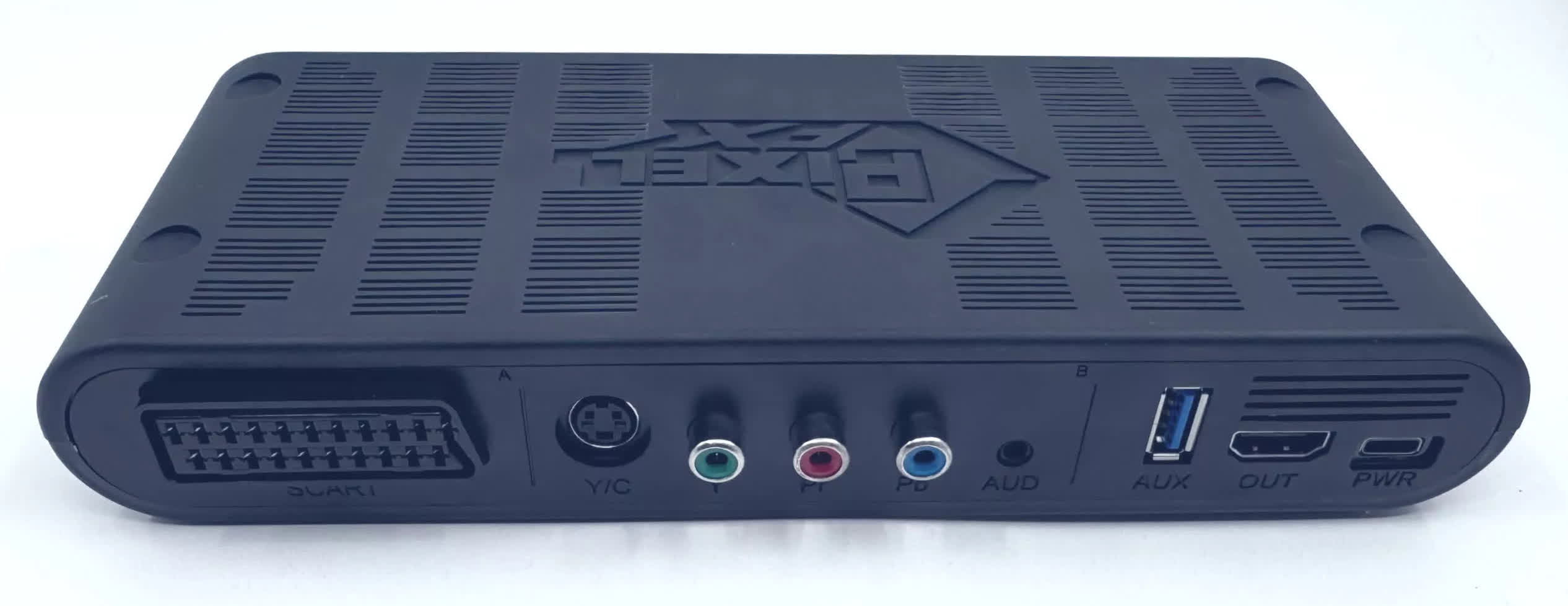
In contrast, for $199, the Morph 2K includes composite, S-Video, SCART, and component inputs out of the box. Only VGA support requires an additional adapter.
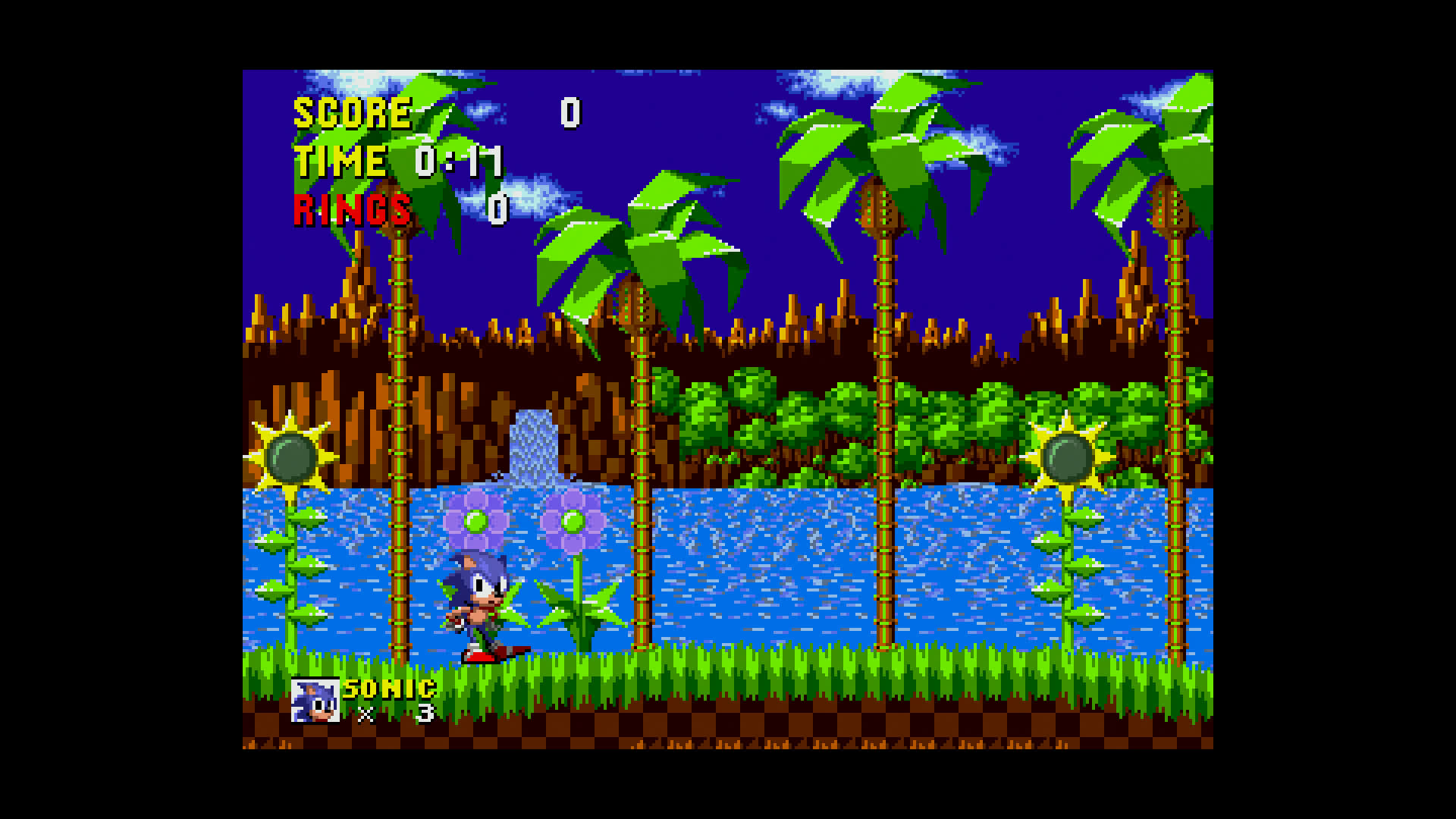
The device converts signals as low as 240p into a crisp 1080p output within a 60Hz VRR container, with full 4:4:4 color. The lossless scaler also introduces minimal input latency, includes an optional CRT simulation mode, and supports Wi-Fi for firmware updates and configuration via a web-based user interface.
Once pre-orders begin in June, units are expected to ship within 8 to 10 weeks.