
Recap: One of the earliest controversies to emerge from the generative AI boom centered on a troubling revelation: much of the infrastructure underpinning these systems was built on the labor of contractors in Kenya earning startlingly low wages. That issue has now collided with a separate set of concerns surrounding Meta's smart glasses, leaving the company in hot water after more than 1,000 contractors lost their jobs.
Meta has quietly ended its relationship with a vendor that helped train its generative AI systems using footage captured through Ray-Ban smart glasses. The contractor, Sama, subsequently announced the termination of 1,108 employees – some of whom alleged they were punished after coming forward about the sensitive nature of the footage they were asked to review.
The story broke in February, when workers at the Nairobi division of California-based outsourcing firm Sama told two Swedish newspapers that their assignments involved labeling footage from smart glasses that appeared to show subjects who had no idea they were being recorded.
The glasses include an AI assistant that requires recording audio and video, some of which becomes AI training data. Human contractors scan and label material that AI struggles with.
Meta states that its terms of service explain these details, and the glasses require explicit user permission to engage AI mode. Nonetheless, Sama employees reported that the glasses recorded banking information, private conversations, people naked in bathrooms, and intimate encounters.
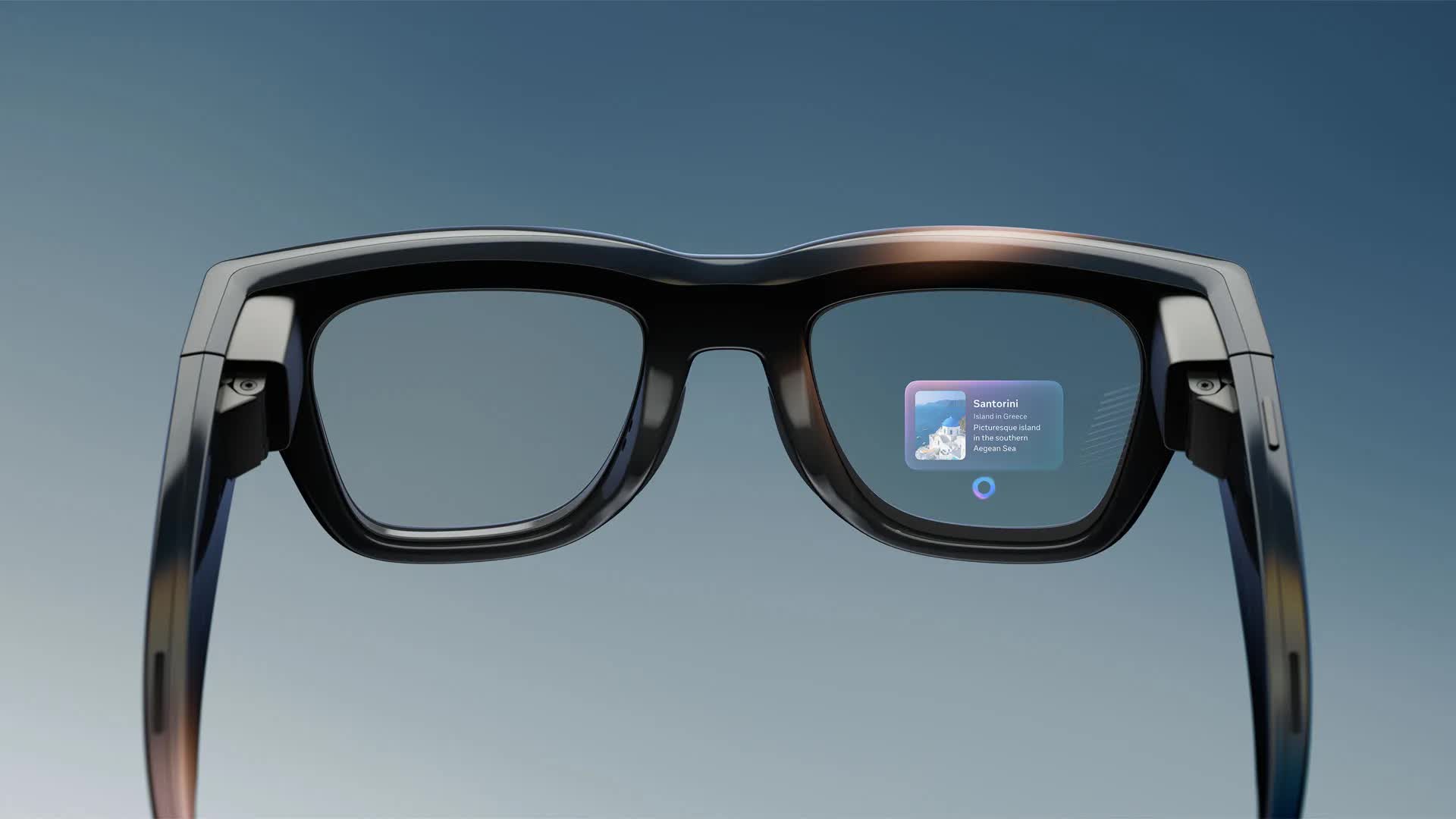
Following the report, Meta cancelled its contract, saying that Sama did not meet its standards. In response, Sama said it never received any indication that its work was substandard. Meanwhile, employees reported being forced to work without performing any tasks amid tightening security as Sama tries to uncover the whistleblowers.
Sama is the same firm that OpenAI contracted to train ChatGPT, leading up to its 2022 debut. To make the chatbot less toxic, Kenya-based workers were paid less than $2 a day to filter distressing content with documented effects on their mental health. That year, Meta and Sama also faced allegations of using misleading job listings amounting to human trafficking, and of laying off workers who attempted to unionize.
The recording capabilities of smart glasses have attracted criticism ever since Google Glass met sharp public resistance years ago. Since Meta revived the category with more discreet hardware, wearers have been documented using the devices inside courtrooms, during police operations, and in classrooms during exams.
Apple is reportedly testing up to four smart glass designs to compete with Meta.