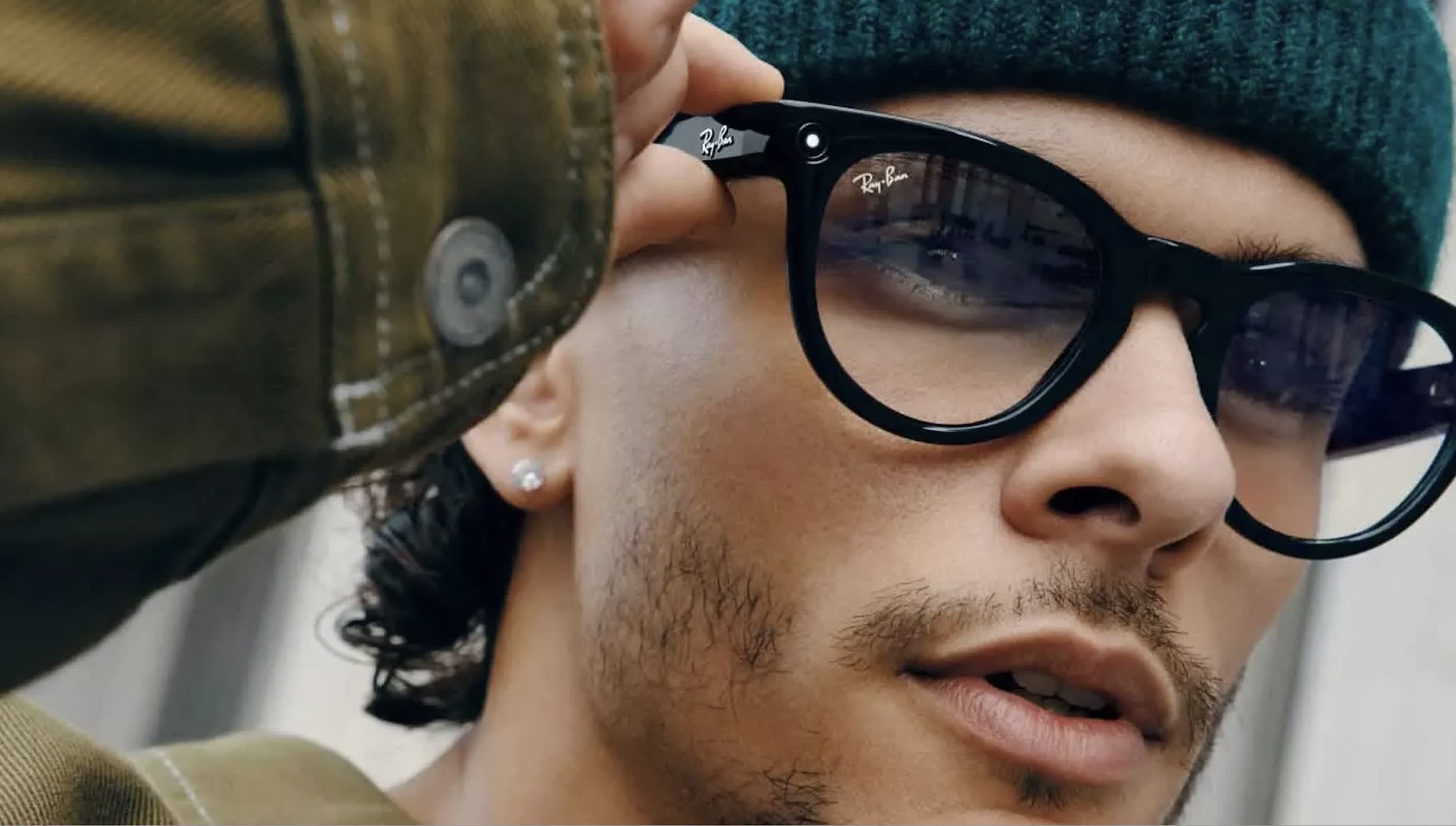
A hot potato: Meta's artificial intelligence ambitions are again drawing scrutiny – this time over what its smart glasses actually see, record, and send around the world for human review. Contractors in Nairobi say they've been paid to study hours of raw footage captured through Meta's "live AI" feature, analyzing everything from simple interactions to moments of startling intimacy.
The work, known as data labeling, is how Meta trains its computer vision systems. Each frame reviewed helps improve the algorithms powering its augmented reality assistant. Behind that feedback loop, however, human labor fills in the gaps machines still can't bridge.
Meta's AI glasses, made in partnership with Ray-Ban, constantly record short clips whenever "live AI" is activated. During these sessions, the device's camera and microphone remain continuously online so that the AI can analyze scenes and answer questions in real time. The data is then uploaded to Meta's systems, where it becomes part of a vast dataset used to refine future versions of the assistant.

According to contractors employed by Sama, a Kenya-based firm specializing in annotation services, that data often includes far more personal material than users may realize. Workers said they've reviewed clips of people using bathrooms, getting dressed, and in some cases engaging in sexual activity – all recorded from the perspective of the glasses.
Even when the content isn't overtly graphic, it can reveal sensitive personal details, such as debit cards displayed in full view, household interiors, or private conversations. Audio from some clips reportedly includes discussions about protests, criminal activity, or deeply personal aspects of people's lives, all of which become data points for Meta's algorithms.
Meta's published terms make clear that interactions with the "live AI" assistant can be retained and reviewed by automated systems or by human reviewers. Users are also explicitly warned not to share sensitive information. In practice, though, contractors told Swedish newspapers Svenska Dagbladet and Göteborgs-Posten that many people wearing the glasses appeared unaware that their recordings could ever be seen by others.
Sources said complaints about the nature of the footage or the annotation process were dismissed immediately.
The Swedish reporters said Meta did not respond to their repeated questions for several weeks. When a spokesperson later replied, the company referred them only to its AI Terms of Service and privacy policy, emphasizing that "media is processed according to those documents whenever live AI is in use." Meta declined further comment when contacted by Straight Arrow News.
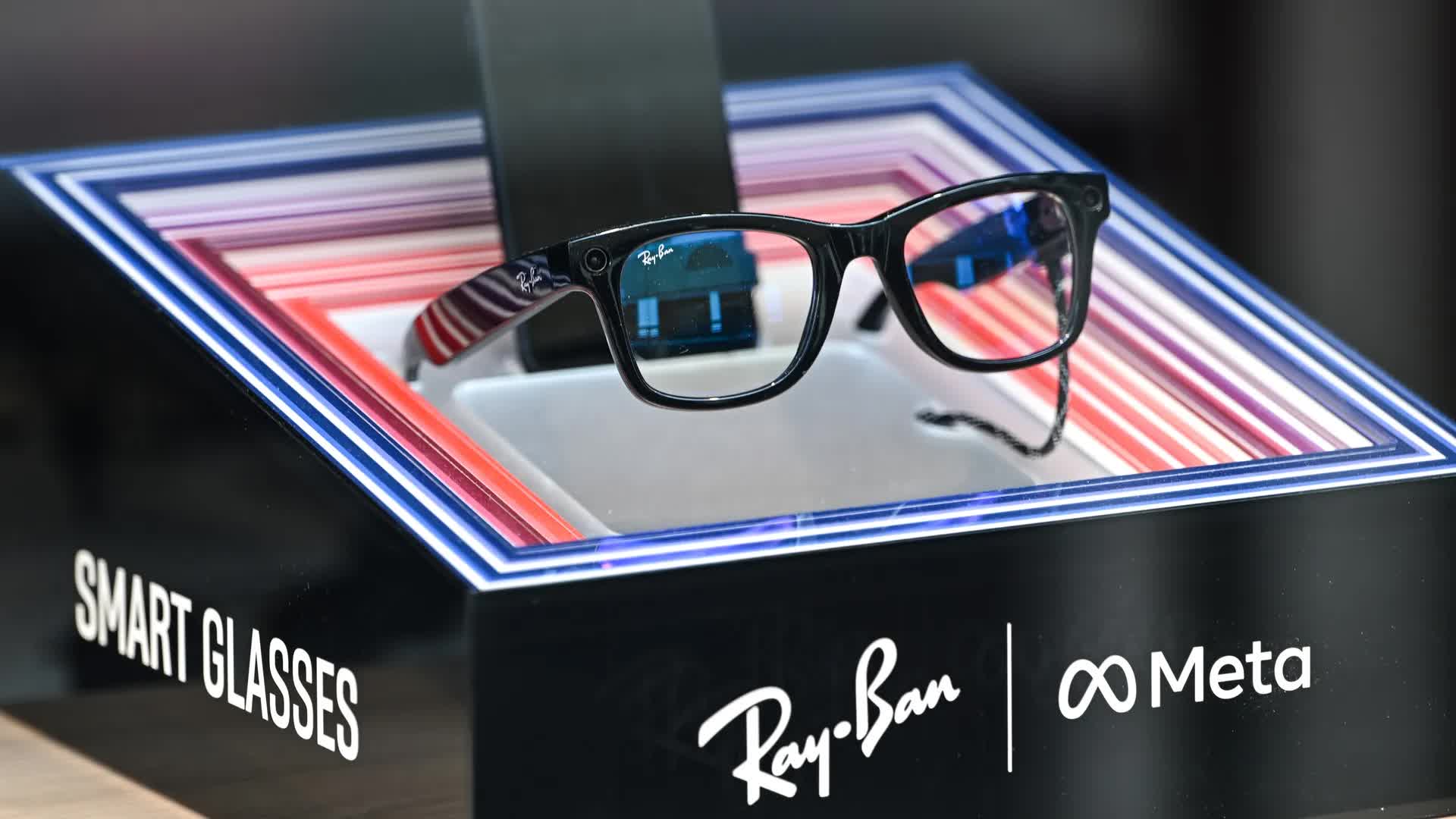
Public concern around Meta's wearable technology has deepened in recent months. The company faced criticism earlier this year after The New York Times cited an internal memo describing plans to add facial-recognition capabilities to its glasses. Civil liberties groups have since warned that pairing facial recognition with persistent video capture could create mobile surveillance networks with minimal oversight.
Developers outside Meta are already responding to the technology by building defensive tools. One recent example is a smartphone app designed to detect when someone nearby is wearing smart glasses. The app scans for visual or wireless cues associated with wearable recording devices and notifies users that they may be filmed.
Meta notes that its glasses include a small LED indicator that lights up during recording. Privacy experts counter that the feature offers limited real-world protection, particularly after researchers demonstrated how easily the light can be disabled.
Whether a warning buried on a terms-of-service page can constitute meaningful disclosure is now a central question for regulators and privacy advocates watching the smart glasses industry. For the people tasked with teaching Meta's AI what it sees, the answer already feels uncomfortably clear.