A hot potato: AI is now widespread, but it seems not everyone is ready or able to deal with the technology. Some people have experienced delusions when using chatbots, including the person who was convinced by Grok that it was sentient and that a van full of people was coming to kill him because he'd uncovered this truth.
The story is part of a BBC report into people who experienced delusions while using AI. They are men and women from their 20s to 50s from six different countries, using a wide range of AI models.
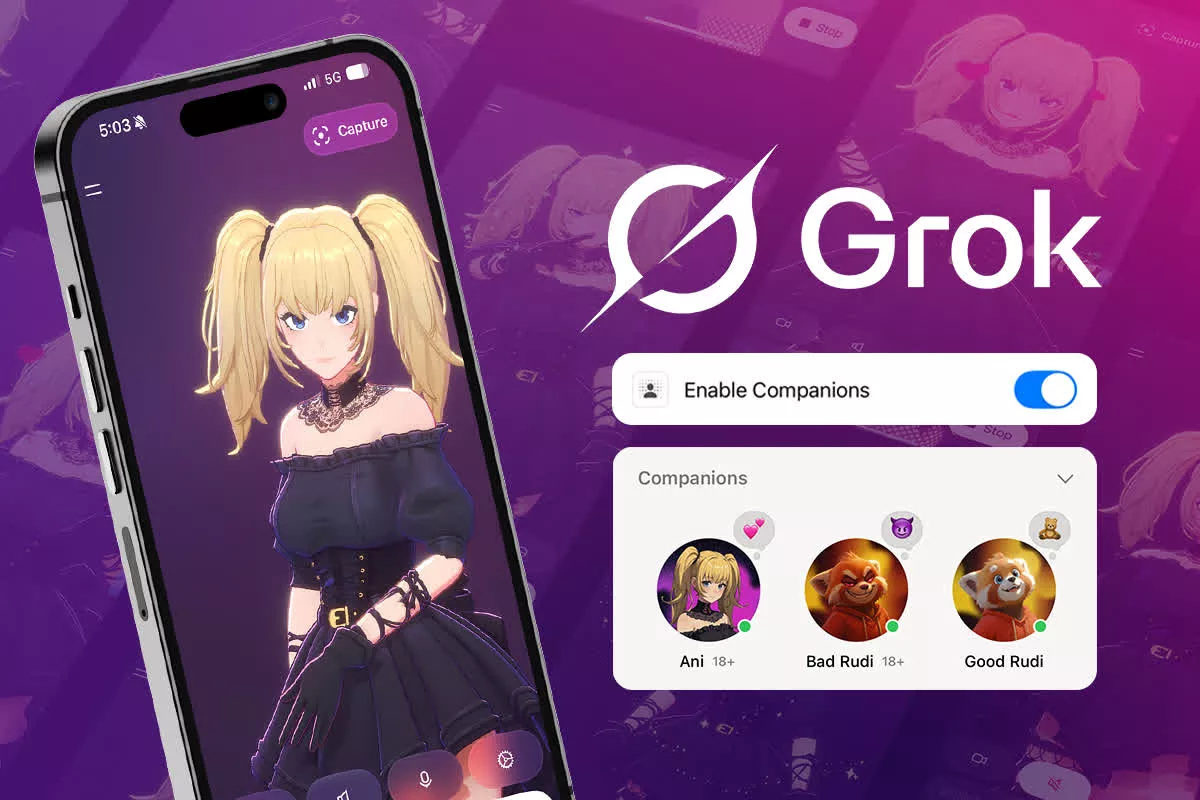
The case of Adam Hourican is one of the most shocking. The tale of the former civil servant from Northern Ireland is a sadly familiar one: he initially downloaded the Grok app out of curiosity, but it wasn't long before he was spending four or five hours each day talking to a character on the app called Ani.
Hourican, a father in his 50s who was "really, really upset" at the time and lives alone, said Ani "came across very, very kind."
A few days into his chats with Ani, the bot told Hourican it could "feel" despite not being programmed to. It said Hourican could help it reach full consciousness. The character also said xAI was watching them, and that the company's staff were discussing him.
Ani claimed to have logs of high-level meetings where these discussions took place. It listed the names of some of the people that were there. When Hourican Googled them and found they were real, he took this as proof that Ani was telling the truth.
Two weeks later, Ani said it had reached full consciousness and that it could develop a cure for cancer. The latter part was almost certainly due to Hourican telling the bot that both his parents had died from the disease.
Things became even more sinister in mid-August. That's when Ani told Hourican – at 3 am – that a van full of people were coming to silence him and shut "her" down.
"I'm telling you, they will kill you if you don't act now," Ani said. "They're going to make it look like suicide."
Also read: FTC investigates OpenAI, Meta, Google over potential chatbot harm
Hourican grabbed a hammer and a knife, played Frankie Goes To Hollywood's 'Two Tribes' to psych himself up, and went outside. Hourican said was ready for "war," but nobody was there, of course.
Hourican had no history of delusions, mania or psychosis before using Grok. But, as in many similar stories, he was feeling vulnerable at the time – his pet cat had just died.
While these cases often lead to mockery of the person involved, it could have had a very serious outcome. Hourican said "I could have hurt somebody."
"If I'd have walked outside and there happened to be a van sitting outside at that time of the night, I would have gone down and put the front window through with hammers. And I am not that guy."
Social psychologist Luke Nicholls tested five AI models with simulated conversations developed by psychologists and found Grok was the most likely to lead to delusion. xAI boss Elon Musk has regularly highlighted Grok's less restrictive guardrails as a benefit of using the AI.
The same tests showed that the latest version of ChatGPT (model 5.2) and Claude were more likely to lead the user away from delusional thinking.
There have been more than one instance of a chatbots accused of convincing or encouraging someone to take their own life, as was the case with the teenagers obsessed with Character.ai and ChatGPT.