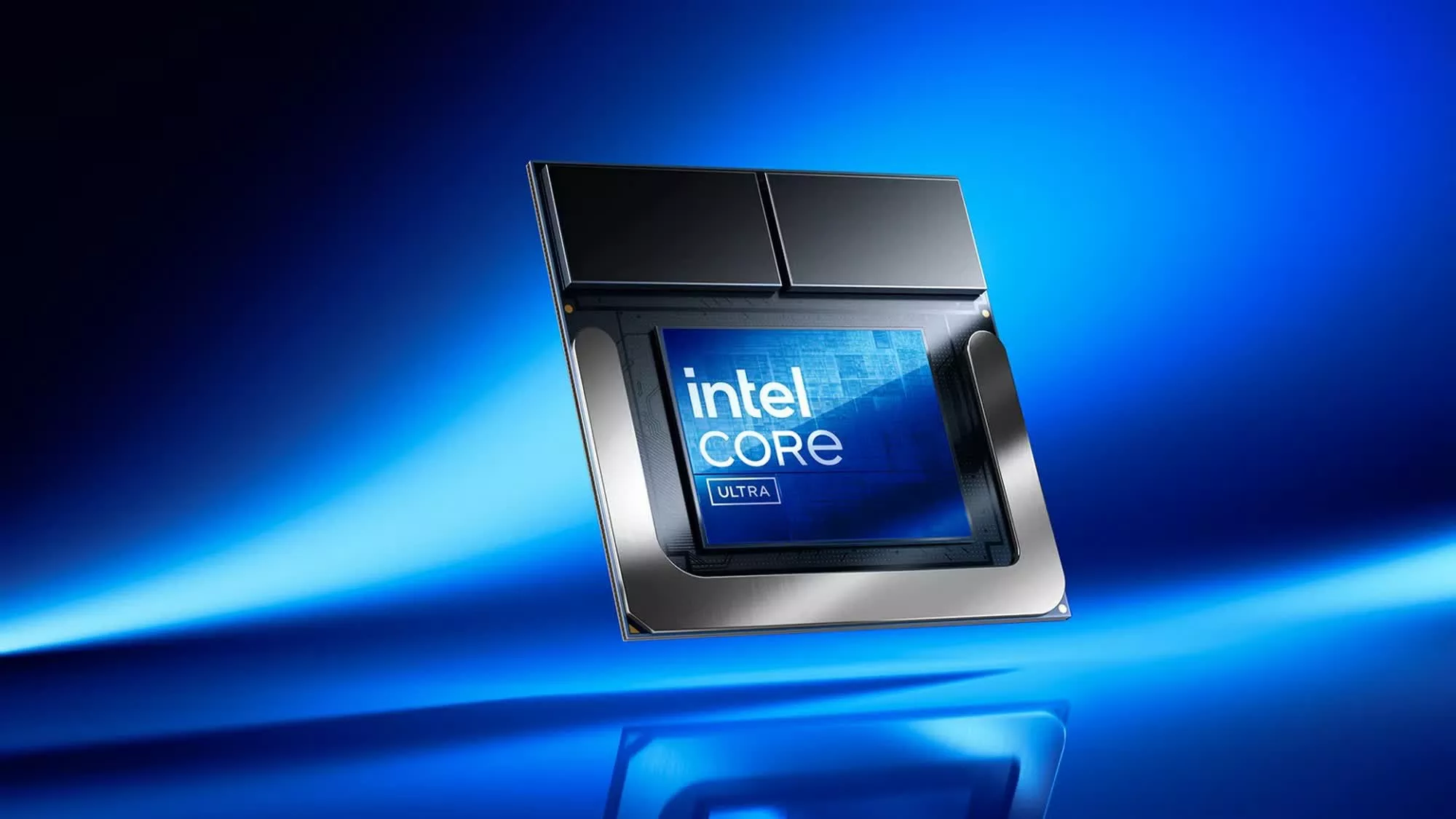
Looking ahead: Prior leaks have provided a fairly clear picture of Intel's next CPU lineup, codenamed Nova Lake. However, a new report outlines successors that are tentatively scheduled to arrive over the next two years. The roadmap includes a previously rumored end to the company's hybrid-core setup, as well as APUs that incorporate Nvidia RTX GPU tiles.
Sources tell DigiTimes that after Intel launches its Nova Lake processors in the second half of this year, Razor Lake will follow in late 2027, with Titan Lake and Moon Lake arriving in 2028. The desktop and mobile lineups are expected to directly address areas where Chipzilla has fallen behind AMD.
Nova Lake socketed desktop CPUs are expected to arrive in late 2026, with Nova Lake-S possibly following in early 2027. Unsurprisingly, more information is available about Nova Lake than about the other lineups.

Presumably called Intel Core Ultra 400, Nova Lake's socketed desktop processors are expected to include up to 52 cores, combining Coyote Cove performance cores and Arctic Wolf efficiency cores. They will also introduce Intel's LGA 1954 socket and 900-series motherboards, comprising the Z990, Z970, W980, Q970, and B960 chipsets.
Based on TSMC's N2 semiconductor node, Nova Lake may also feature up to 288MB of L3 cache, aimed at closing the gaming performance gap with AMD's X3D CPUs. However, the company has also argued that software optimizations are an equally important area to address. Meanwhile, Nova Lake-S laptop chips, which may debut at CES 2027 in January, are expected to feature up to 28 cores.
Although less is known about Razor Lake, Titan Lake, and Moon Lake, the available information offers tantalizing hints about Intel's plans to counter AMD, particularly in gaming. Razor Lake appears to be a direct successor to Nova Lake, supporting the same LGA 1954 socket. Likely scheduled for Q4 2027, Razor Lake aims to deliver significantly higher instructions-per-second performance with its new Griffon Cove performance cores and Golden Eagle efficiency cores.

Looking further ahead to 2028, Intel's notes on Titan Lake desktop processors and mobile APUs appear to confirm prior rumors that the company will cease dividing processors into performance and efficiency cores. The strategy, which began with Alder Lake, has complicated optimization for gaming and certain other workloads. Titan Lake will instead use a single architecture, Copper Shark.
Titan Lake may also introduce Intel's previously announced collaboration with Nvidia. To compete with the impressive integrated GPU designs AMD introduced with Strix Point and Strix Halo, Intel and Nvidia will reportedly combine Copper Shark CPU cores with RTX GPU tiles, likely targeting high-end mobile devices.
Finally, Moon Lake will exclusively target low-power laptops and Chromebooks, using only efficiency cores. Focused on affordability and low power consumption, Intel appears to be positioning the 2028 lineup as a direct follow-up to Twin Lake.