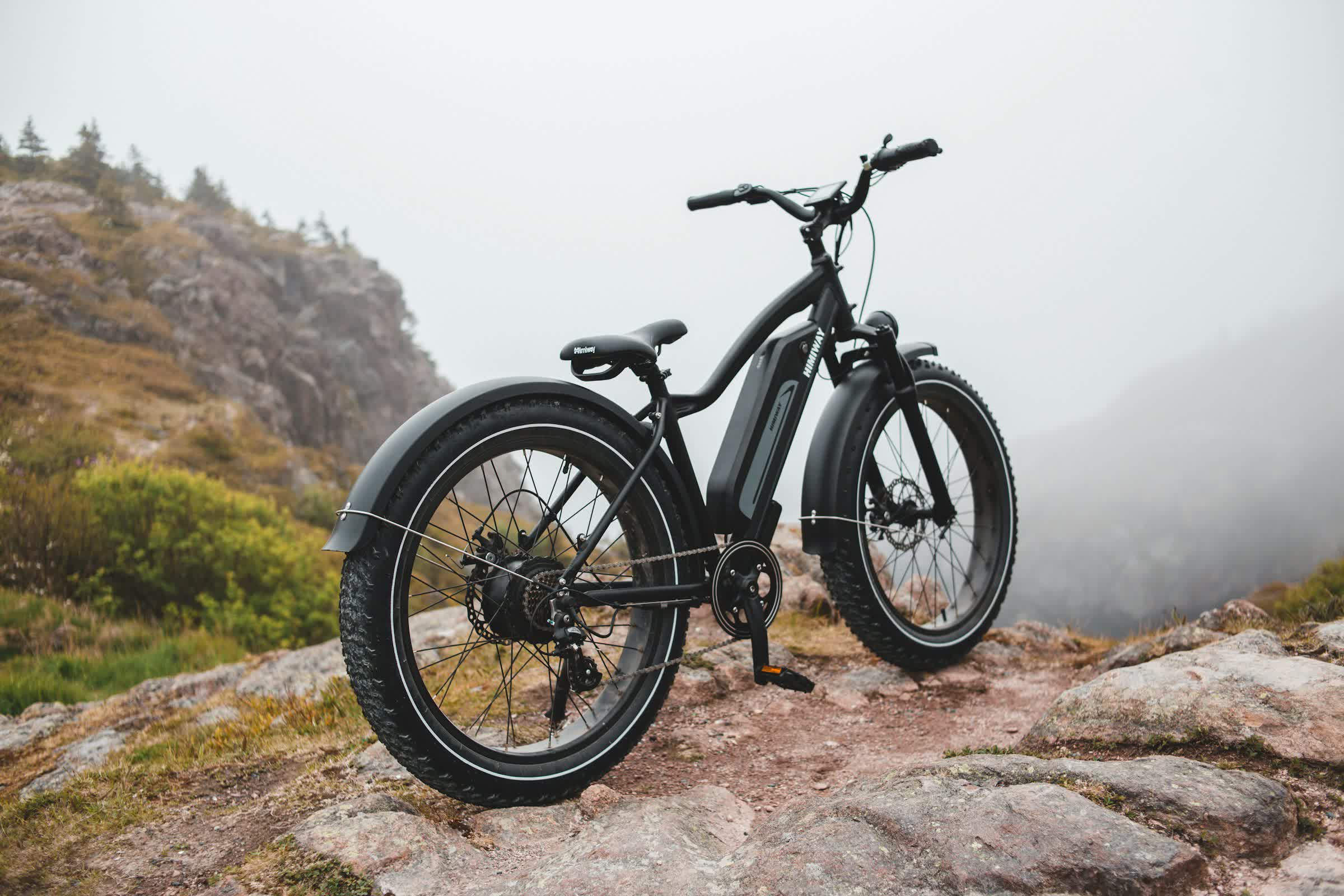
In a nutshell: Amazon is putting the brakes on sales of some of the fastest electric bikes in California. The move comes after a local investigation found that models exceeding the state's legal speed limits were still being offered to residents.
The retail giant told KCRA 3 News that it will no longer sell e-bikes in California that go faster than state law allows. The decision follows a consumer alert from California Attorney General Rob Bonta, who reminded buyers and sellers that the state divides e-bikes into three classes: Class 1 pedal-assist models and Class 2 throttle-assisted models are limited to 20 mph, while Class 3 pedal-assist bikes can reach 28 mph.
Anything beyond those limits is no longer treated as an e-bike under California law and may instead be classified as a moped or motorcycle, introducing extra requirements such as registration, licensing, insurance, and age restrictions.
Many of the machines advertised online as e-bikes are closer to lightweight electric motorcycles. KCRA said an Amazon search turned up numerous listings boasting speeds above 40 mph, well beyond the legal limit for an electric bicycle in California.
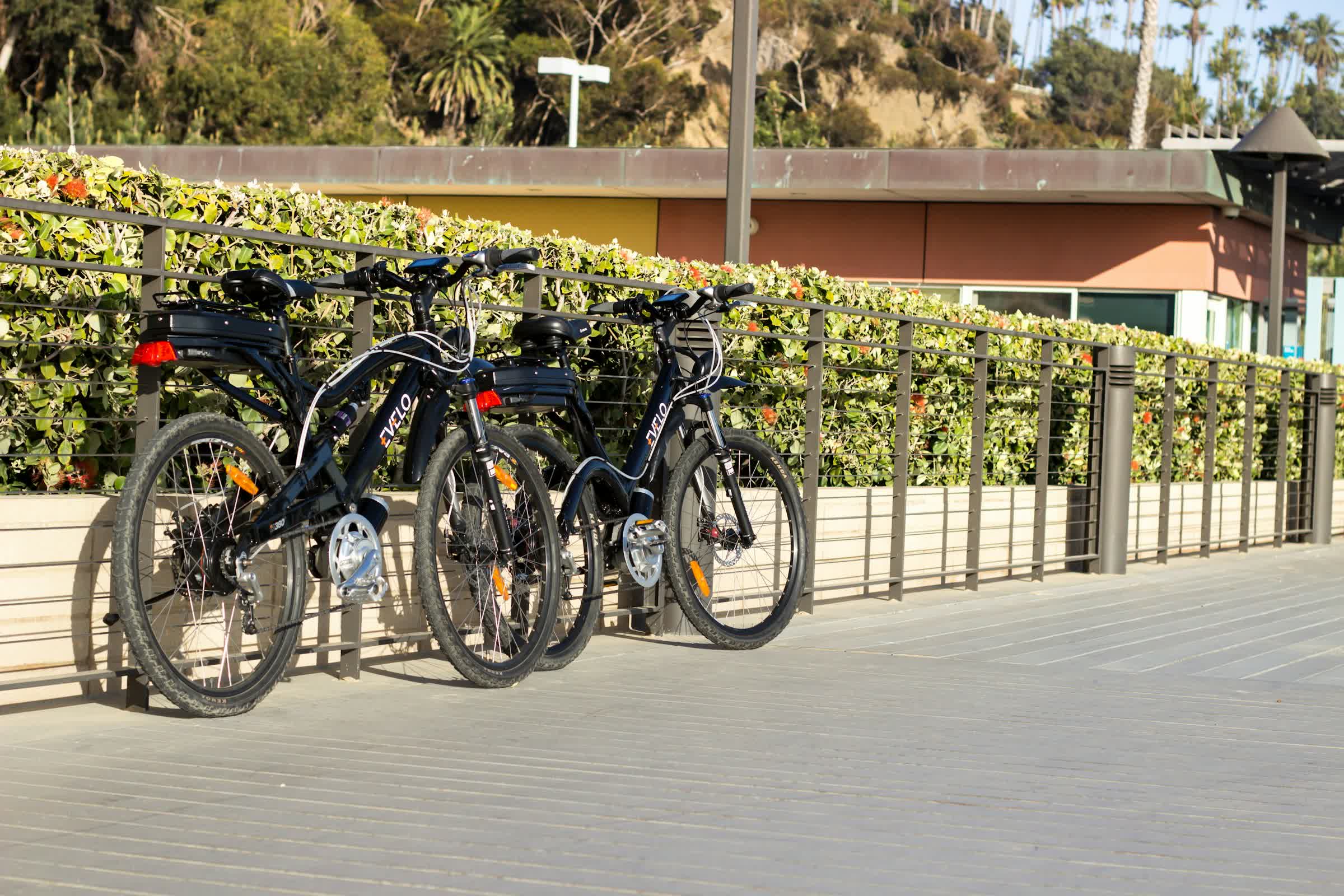
After the station contacted Amazon with examples, the company said it had removed those listings and was investigating similar products.
Amazon also said third-party sellers must comply with state laws, regulations, and its own policies. That sounds obvious, but the marketplace has long made it easy for questionable hardware to slip through until regulators, reporters, or angry customers point it out.
The crackdown comes amid growing concern over high-powered electric two-wheelers being ridden by teens and marketed as ordinary e-bikes. Police and prosecutors in California have tied several recent serious crashes to illegal e-motorcycles, including fatal incidents involving underage riders.
Orange County District Attorney Todd Spitzer said more than 100 deaths in the US have resulted from e-bike and e-motorcycle crashes, while injuries have risen 430% in Southern California over the last four years.
One recent Orange County case has intensified scrutiny. In April, an 81-year-old man died after being struck by a teenager allegedly riding an illegal e-motorcycle, and the teen's mother has since been charged with involuntary manslaughter after officials said she had been warned the vehicle was illegal for her son to operate.
Legal e-bike models remain an increasingly popular alternative to cars for commuting, errands, and short city trips. The issue here is the increasingly blurred line between a bicycle with electric assistance and a motorcycle-style vehicle being sold with bicycle-like branding.
CalBike is co-sponsoring SB 1167, which would change the types of vehicles that can be advertised, sold, or labeled as e-bikes. Amazon's move suggests major retailers may not wait for the bill before removing the most obvious offenders from their listings.