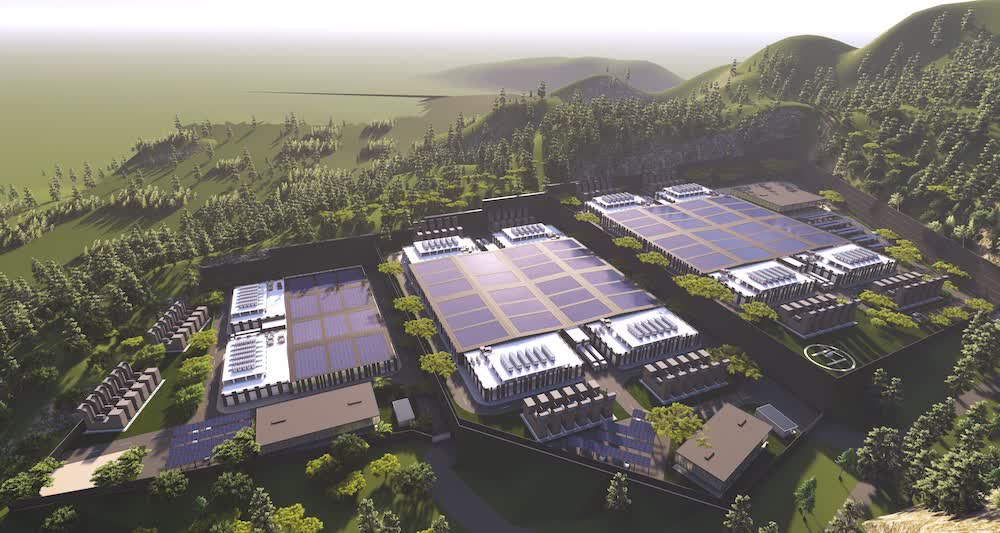
A hot potato: Microsoft and Abu Dhabi-based AI company G42's plan to build a $1 billion data center in Kenya sounded like a good idea for the African nation. It would bring foreign investment, a new Azure cloud region, and a facility powered by geothermal energy, but there's a problem. According to Kenyan officials, the project would require a massive amount of electricity in a country where the grid is nowhere near ready for AI-era demands.
The project was announced in May 2024 during Kenyan President William Ruto's state visit to Washington. G42 was expected to lead construction of the Olkaria facility in Kenya's Rift Valley, with Microsoft using it to launch a new East Africa cloud region for Azure. The first phase was supposed to offer 100MW of capacity, with the longer-term plan scaling to 1GW.
However, Kenya's installed electricity capacity is roughly 3GW to 3.2GW, while peak demand hit a record 2,444MW in January. Ruto said the full-scale data center would require the country to "switch off half the country" to power it. Even the initial 100MW phase would take a sizable bite out of the Olkaria geothermal complex, which generates about 950MW.
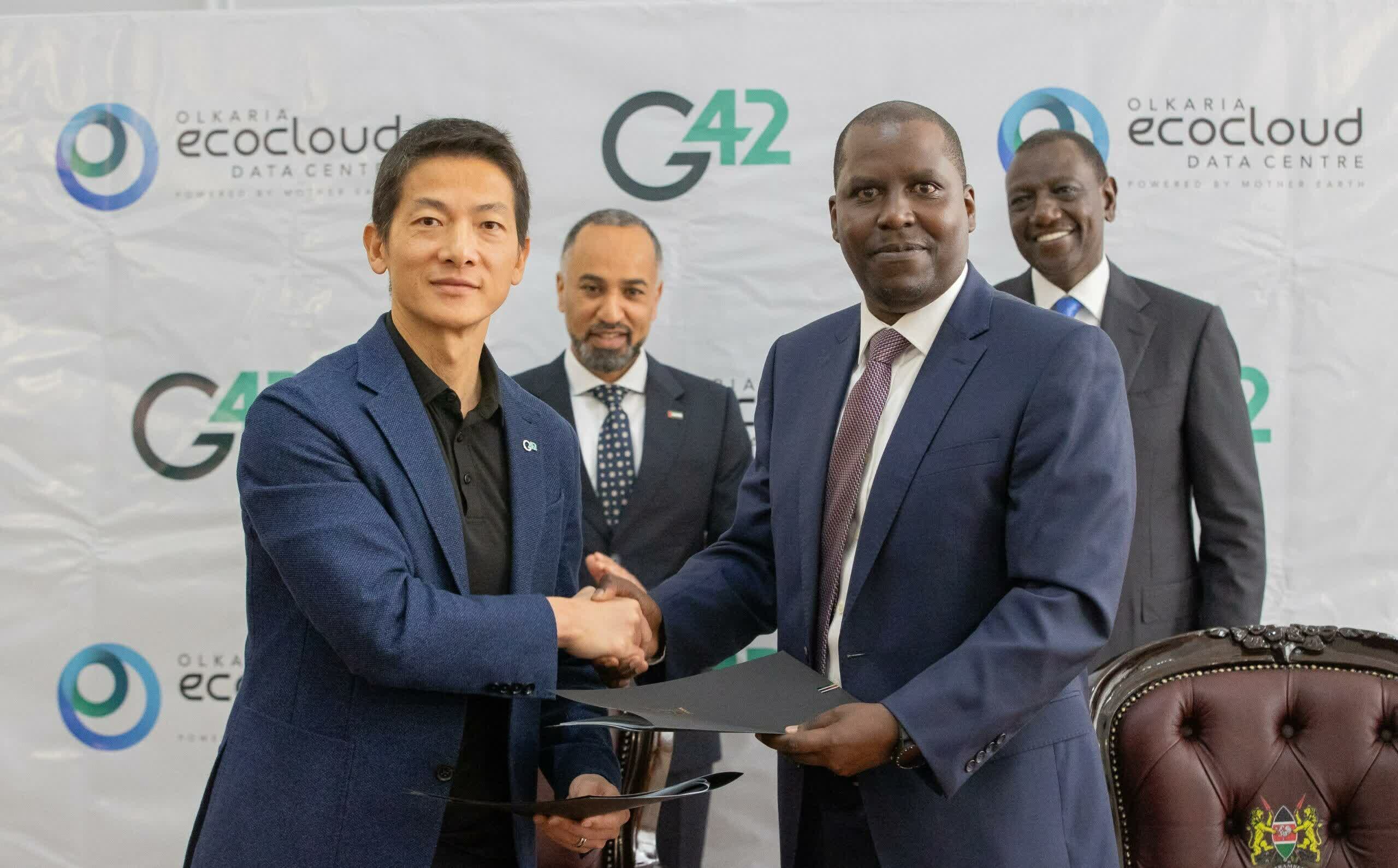
The power problem is not the only reason the project has stalled. Bloomberg reported that Microsoft and G42 wanted Kenya to guarantee annual payments for a certain amount of data center capacity. But talks broke down because the government could not provide the guarantees Redmond wanted. The project has not officially been canceled, though officials have admitted that the scale still needs "some structuring," which is never a phrase that suggests everything is going great.
The Kenya situation is another story highlighting the problems and pushback being faced by new data-center developments. There was the $16 billion Stargate campus in Michigan that moved ahead despite a township board voting to reject it, and a Georgia data center that used more than 29 million gallons of water without an initial bill while nearby residents complained about low water pressure. It also raises the question of whether governments should be expected to reshape national energy infrastructure around facilities whose biggest benefits may flow to foreign tech giants.