Ripple effect: A lapse in Fayette County's water metering system drew scrutiny after a large data center campus used tens of millions of gallons of water that initially went unbilled. The issue came to light after residents in Annelise Park, an upscale subdivision in Fayetteville, Georgia, reported a drop in water pressure last year.
A county investigation traced the problem to a nearby data center development operated by Quality Technology Services (QTS), where two high-capacity water connections were not being properly monitored. One had been installed without the utility's knowledge, and another was not tied to a billing account.
In total, more than 29 million gallons of water went unaccounted for. The county later issued a retroactive bill for $147,474, according to a May 15, 2025, letter sent to QTS. Estimates of how long the usage went unbilled vary. Vanessa Tigert, director of the Fayette County water system, told Politico it likely spanned about 4 months, while a company spokesperson put the range at 9 to 15 months. The balance has since been paid.
The lapse occurred as the county transitioned to a cloud-based smart metering system as part of an effort to modernize its utility infrastructure. But the transition also revealed gaps in how the system handled large industrial users. Tigert described the problem as procedural rather than intentional.
"Fayette County is a suburb, it's mostly residential, and we don't have much commercial meters in our system anyway," she said. "And so we didn't realize our connection point wasn't working."
QTS said the unmetered usage coincided with the transition and that its meters are now fully integrated into the county's system. The company also emphasized that the high water consumption reflects construction-phase demands, not long-term operations.
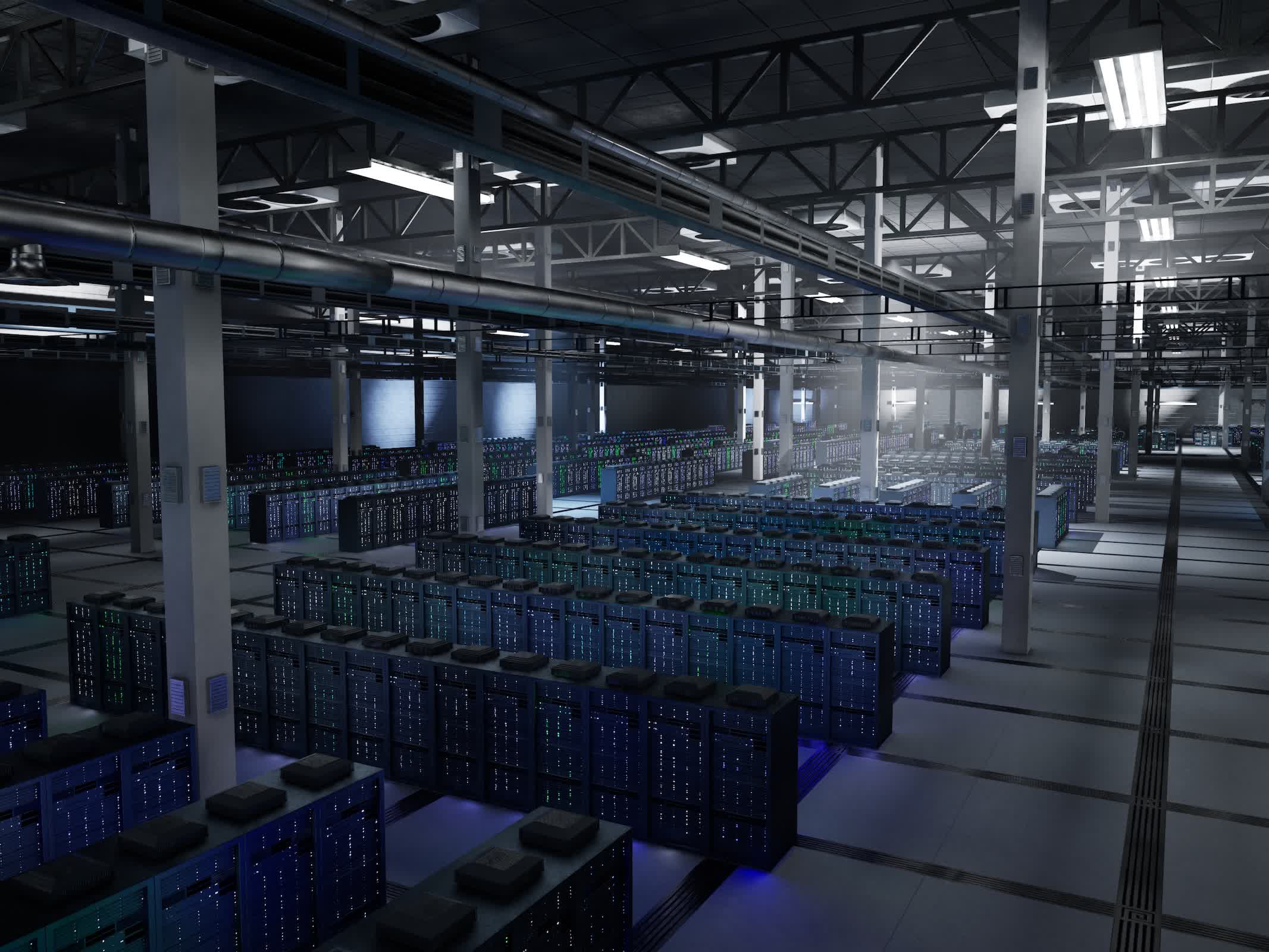
The Fayetteville site is still under construction and, at 615 acres with plans for up to 16 buildings, ranks among the largest data center campuses in the country. During construction, water is used heavily for concrete work, dust control, and general site preparation – activities that can temporarily dwarf the facility's eventual operating footprint.
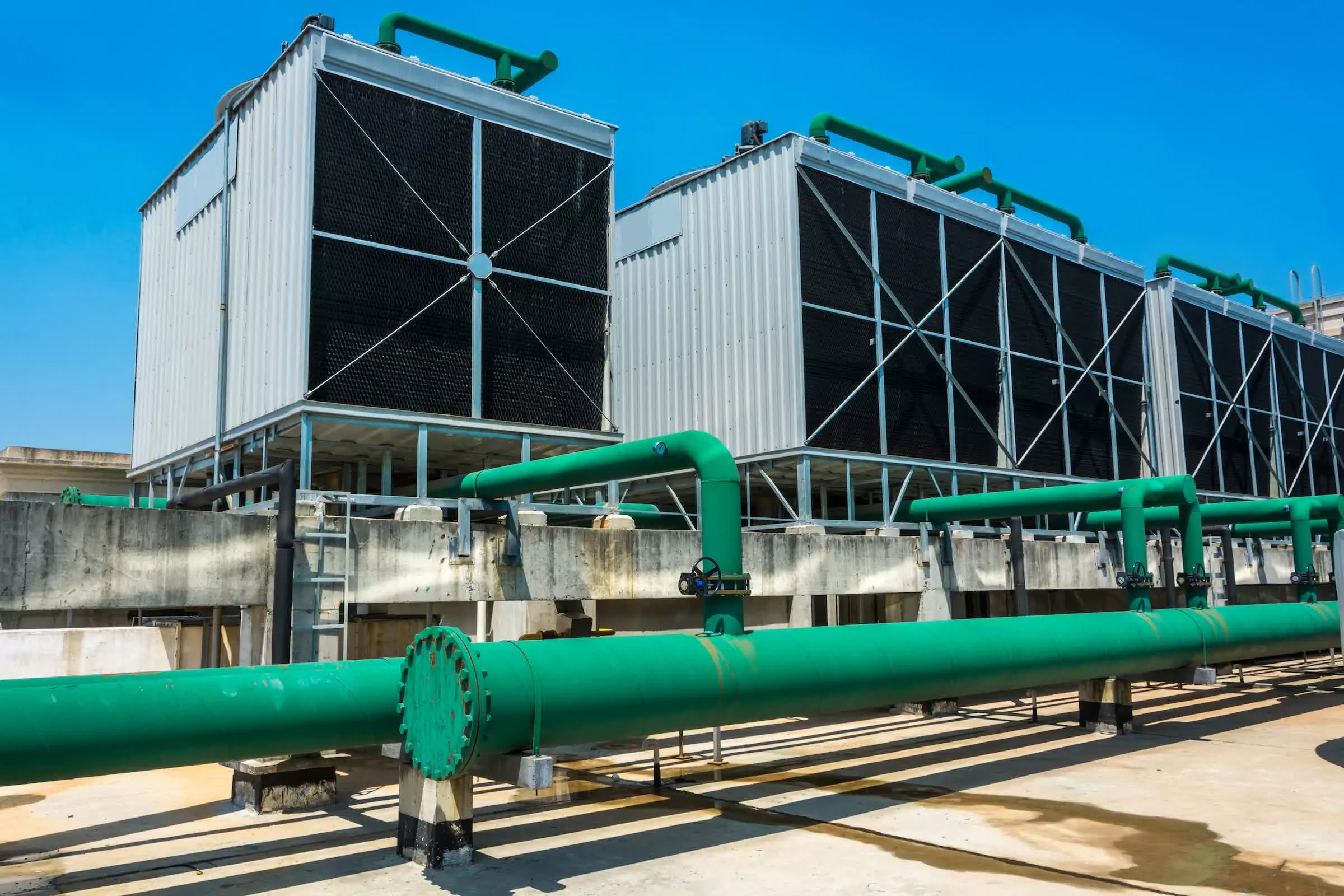
From a technical standpoint, QTS says the completed campus will rely on a closed-loop system that does not consume water for cooling. That's a notable distinction in an industry where thermal management is a major constraint. Traditional cooling approaches can require significant water use to dissipate heat from densely packed servers. QTS maintains that once operational, the site's water demand will be limited to domestic uses, "what four US households use per month," according to a spokesperson.
That long-term projection has done little to ease concerns locally, particularly as Georgia faces ongoing drought conditions. The state is currently experiencing moderate to severe dryness, and Gov. Brian Kemp recently declared a state of emergency in response to widespread wildfires.
The timing has sharpened public reaction. The billing issue only became widely known after a resident obtained the county's letter through a public records request and shared it online. Some residents see a disconnect between how water restrictions are communicated to households and how large users are managed.
"We get this notification from Fayette County water system saying you need to stop watering your lawns to help conserve water," said James Clifton, an attorney and property rights advocate. "So the first thing they do is lean on the individuals and the citizens to stop water consumption when we have QTS that's just absolutely draining us – most months it's the No. 1 consumer of water in the county."
Clifton is also running for a seat on the Fayette County Board of Commissioners, and the issue has fed into a broader backlash against data center development in the area. The Fayetteville City Council recently voted to ban new data centers across all zoning districts, despite the tax revenue these projects can generate. County officials have said the QTS campus alone could bring in tens of millions of dollars annually.
The utility's decision not to impose penalties beyond back-billing has added to the tension. Tigert framed the approach as practical. "They're our largest customer, and we have to be partners," she said. "It's called customer service."
Gregory Pierce, director of the UCLA Water Resources Group, said that kind of restraint is not typical. "I don't know exactly what's happening here, but they probably don't want to upset one of their new and largest customers," he said.
For now, the technical problem has been fixed. But the episode exposes a larger issue that extends beyond Fayette County: as data centers scale into suburban regions, the systems built to support residential demand are being pushed into new territory, and not always cleanly.