
Sounding off: Video game music has spent decades shaping popular culture, but only a handful of game soundtracks have been formally recognized as part of America's recorded history. Doom's induction into the Library of Congress National Recording Registry is another sign that the sounds of early PC gaming are no longer being treated as disposable background noise, but as cultural artifacts worth preserving.
The Library of Congress has added Bobby Prince's 1993 Doom soundtrack to the National Recording Registry, naming it one of 25 recordings selected this year for their cultural, historical, or aesthetic importance.
The 2026 class brings the registry to 700 titles and includes a notably wide mix of recordings, including Weezer's Blue Album, the Go-Go's Beauty and the Beat, Jose Feliciano's Feliz Navidad, Perez Prado's Mambo No. 5, and the original cast album of Chicago. Doom, somehow fittingly, is now part of that same official playlist.
The selection is especially notable because game music remains rare in the registry. Doom is only the third video game music entry to be chosen, following the Super Mario Bros. theme and Minecraft: Volume Alpha. That gives the registry a surprisingly tidy snapshot of the medium's musical evolution.
Don't miss:
A Musical Journey Through PC Gaming's Most Unforgettable Soundtracks
&
Revisiting 8-bit and 16-bit Era of Video Game Music
Originally released in 1993, Doom helped define the first-person shooter as we know it. Its speed, violence, mod-friendly design, and shareware distribution model made it one of the most influential PC games ever made. But its soundtrack was just as important to the game's identity. Prince's score gave Doom its pulse, mixing metal-inspired riffs with darker ambient tracks making the demon-infested corridors feel hostile and weirdly alive.
The Library's official writeup credits the soundtrack with bringing "heavy metal energy" to MS-DOS systems around the world. It also notes that Prince drew inspiration from CDs loaned to him by Doom designer John Romero, including music from Alice in Chains, Pantera, and Metallica. That influence was never subtle, which is part of why the soundtrack has remained so instantly recognizable to anyone who played Doom through a Sound Blaster card in the 1990s.
Prince's technical work may be the more interesting part of the story. Doom's music had to operate within the limits of early 1990s sound cards and MIDI playback, where the final result could vary dramatically depending on a player's hardware. The Library highlights how Prince used his knowledge of MIDI not only to compose the soundtrack, but also to make sure sound effects could cut through the music by assigning them to different MIDI frequencies.
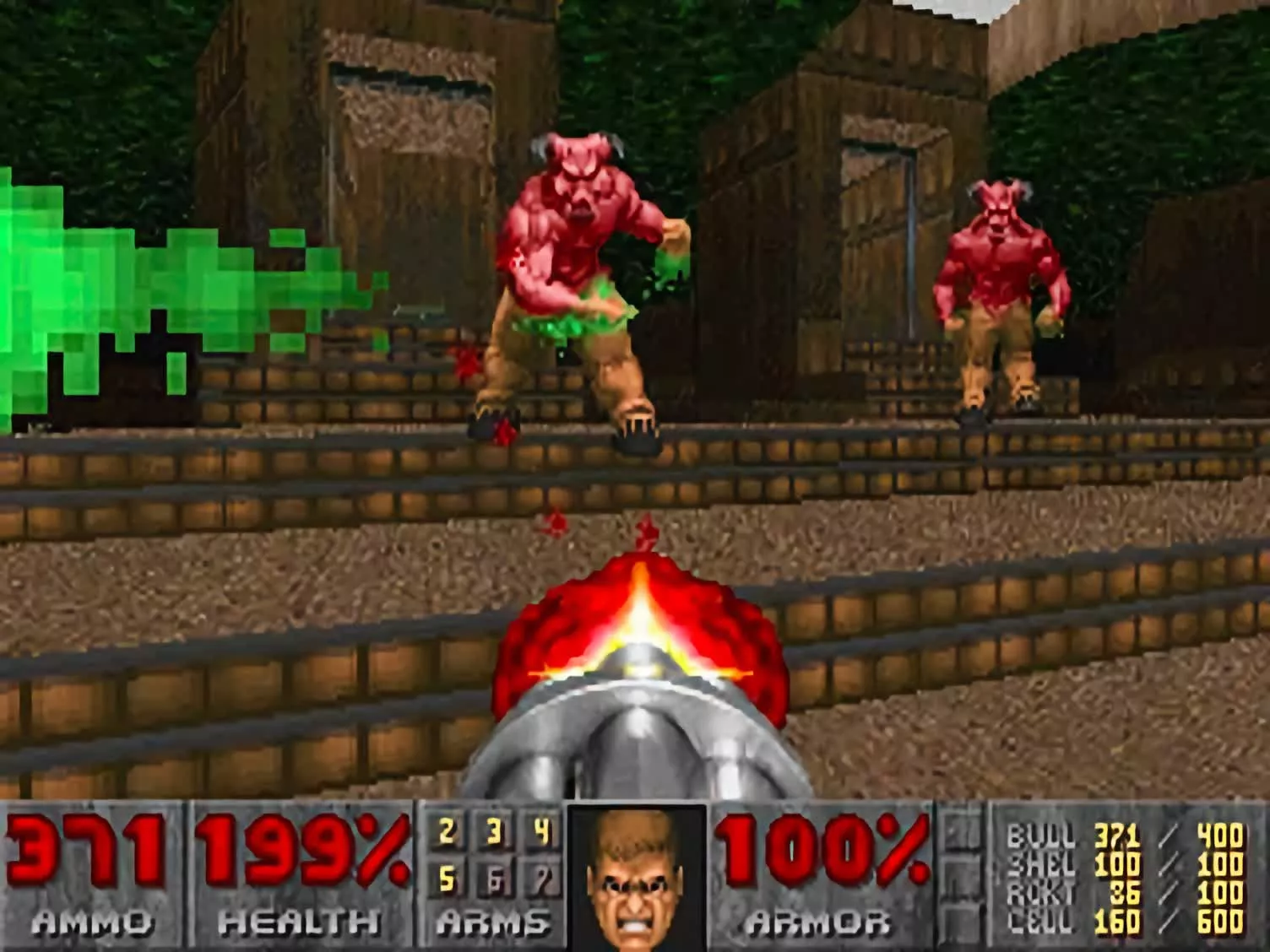
That kind of attention to design mattered. Doom's weapons had to sound punchy. Monsters had to be readable before they were visible. The music kept the player moving. Under modern audio production standards, that may sound basic but the realities and constraints of 1993 PC hardware and gaming in general, it was part composition, part engineering, and part black magic.
The soundtrack's induction also continues a slow reappraisal of video game music as a serious branch of recorded culture. TechSpot has covered game soundtracks for years, from classic PC gaming music retrospectives to composer interviews and soundtrack preservation stories, and the broader trend is clear: the music once treated as secondary to gameplay is often what players remember most vividly decades later.
Doom has already lived many lives: as a game, a modding platform, a speedrunning obsession, a benchmark joke, and a meme that runs on everything from pregnancy tests to tractor displays. Now its soundtrack has another life, as a preserved piece of American audio history. Not bad for a MIDI-powered trip through hell.