What just happened? Samsung might have just averted the biggest strike in its history and saved South Korea's economy from tens of billions of dollars of potential damage. As the tech sector and the country's government breathe a big sigh of relief, Samsung's union members must still vote on the deal, the details of which remain unclear.
The Samsung Group's trade union will vote on the company's latest proposal to avert an 18-day strike involving tens of thousands of memory manufacturing workers. The negotiating parties reached the preliminary deal just an hour and a half before strike action was set to begin. Voting will take place on May 22-27.
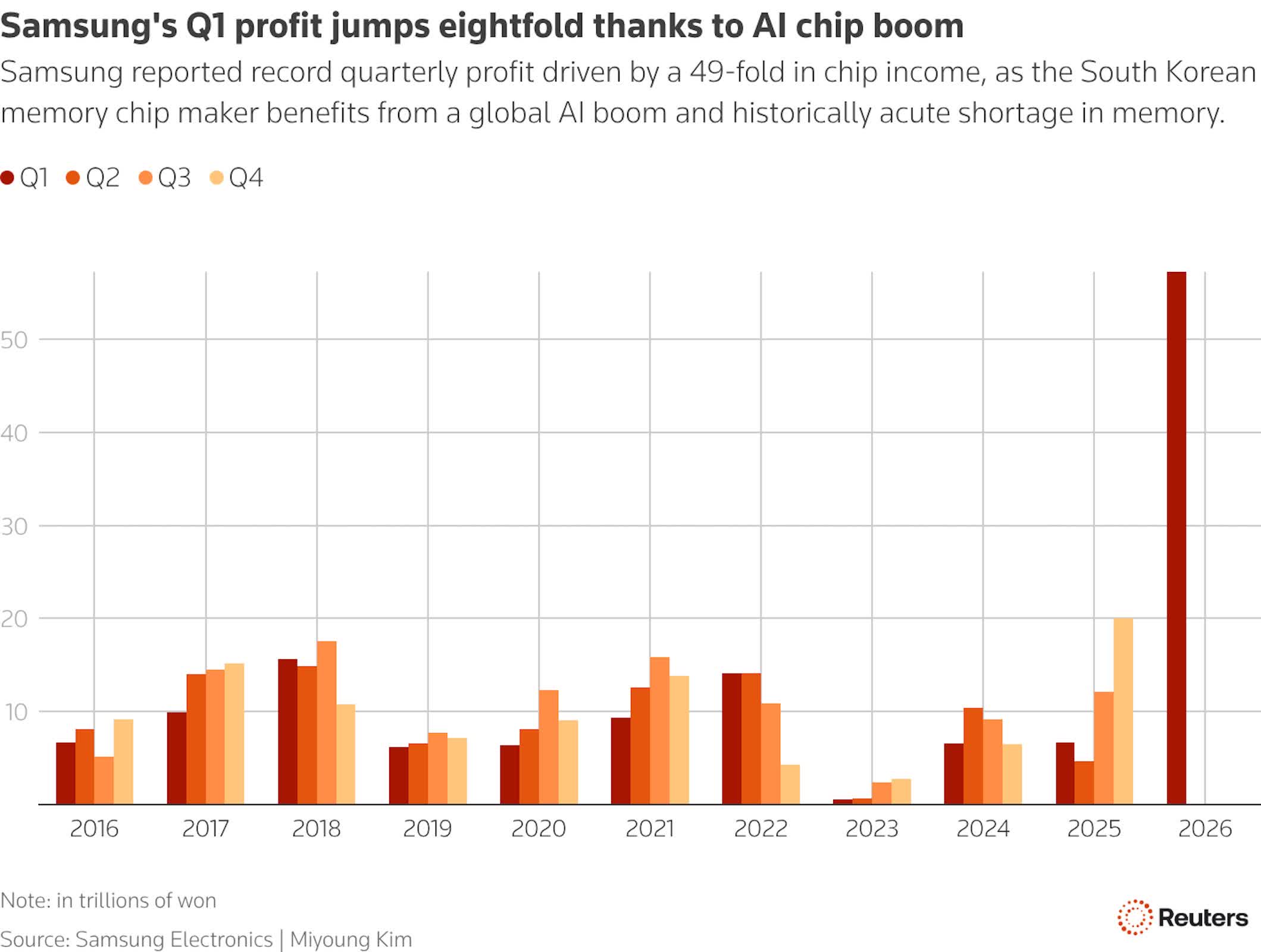
Workers who manufacture the company's DRAM and HBM chips initially demanded 15% of Samsung's recent profit windfall, removal of the performance bonus cap, and a 7% pay raise. One of the three leading manufacturers of the memory chips that data centers need amid the AI boom, Samsung saw its Q1 2026 chip profits jump nearly 50-fold year-over-year. Accepting the strikers' demands could lead to payouts of hundreds of thousands of dollars per employee.
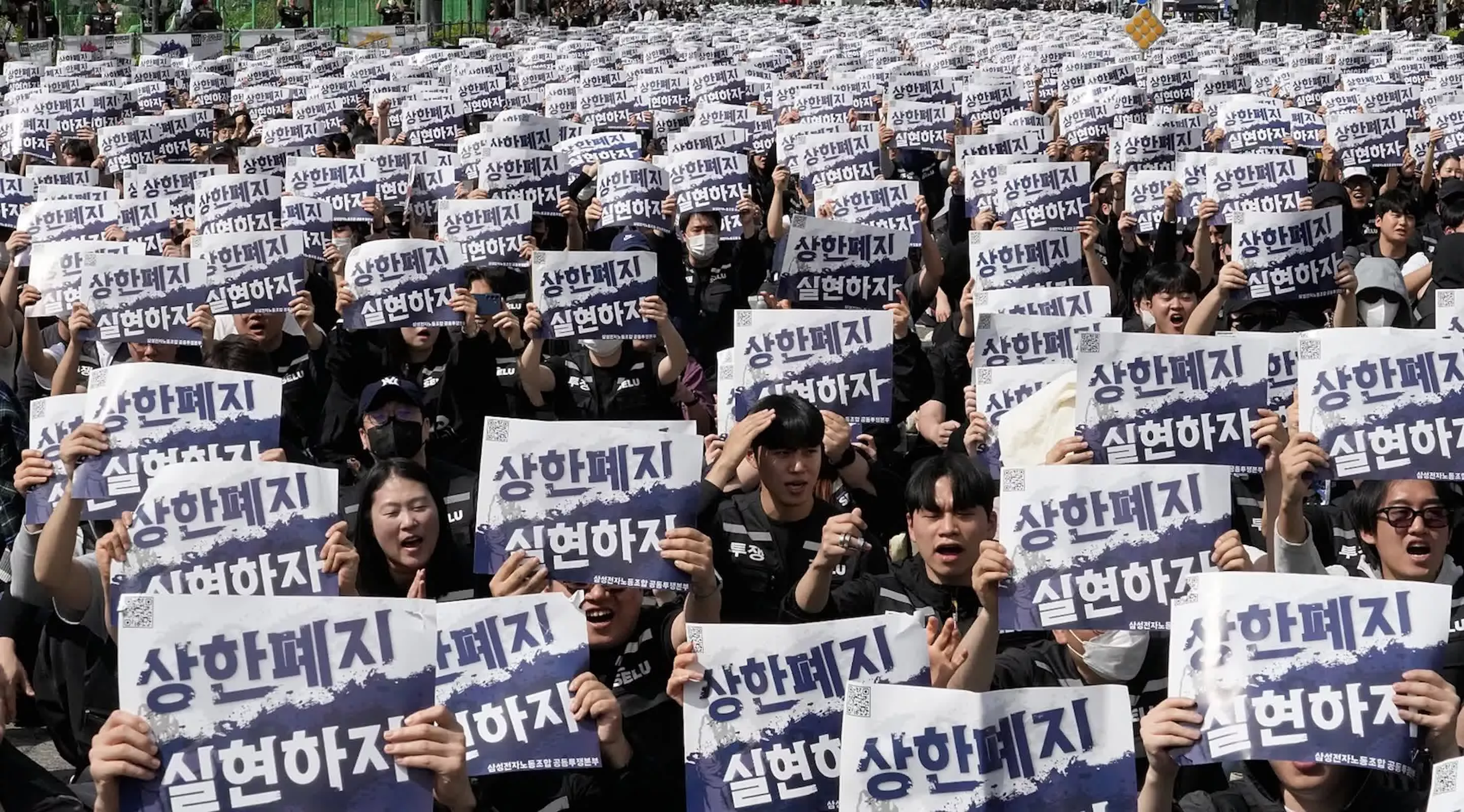
South Korean media reports that the union settled on a 10.5% profit share and the removal of the bonus cap. Negotiations previously wavered between 10% and 13%. The union rejected a one-time 13% payout, worth around $340,000 per employee, demanding it be made an annual payment.
One of Samsung's rivals in the memory business, SK Hynix, was a major factor behind the strike. The company recently agreed to share profits that could be worth around $900,000 per employee next year.
The union chose a sensitive time to threaten a strike. Tech giants and AI data centers are demanding every memory chip that Samsung, Micron, and SK Hynix can manufacture. Any production slowdown could cost Samsung and South Korea's economy billions.
Matters became so serious that the government stepped in to mediate talks. Prime Minister Kim Min-seok said that all options were on the table, including emergency arbitration to suspend industrial action for 30 days. The strike was initially planned to run from midnight local time on May 21 to June 7, but the union announced the deal at 10:34 PM on the night of the 20th.
AI demand has also choked the supply of memory for consumer products such as PCs, smartphones, game consoles, and graphics cards, causing many products to face delays, price hikes, and cancellations. A strike would have worsened the situation.