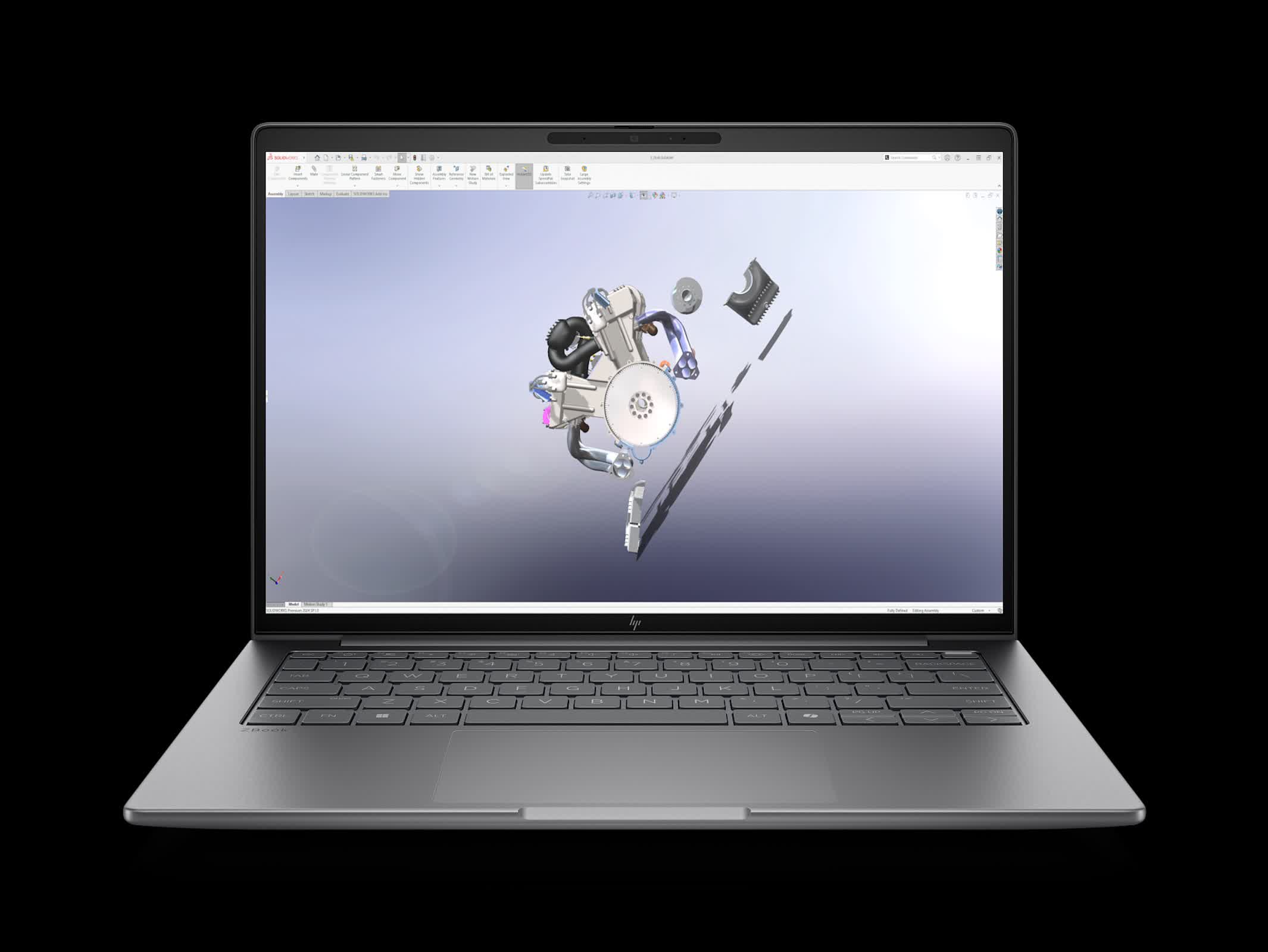
A hot potato: HP is again under pressure over its firmware, with a wave of user reports linking recent BIOS updates to serious failures in some premium laptops. On support forums and in community threads, customers describe laptops that no longer boot, suddenly ramp their fans up to full speed, or crash into Blue Screens of Death. The common thread in many of these cases is a BIOS update delivered through Windows Update.
One case in April involved a ZBook Ultra G1a owner who said a firmware update left the machine unable to start and caused it to freeze completely during the boot process. Similar complaints have appeared elsewhere online, including Reddit, describing the same kind of boot problems after installing recent BIOS updates.
What makes the issue more concerning is how the updates were delivered. These BIOS patches were marked as critical and pushed through Windows Update, allowing them to install automatically, leaving most users little chance to postpone or skip them. While that system is intended to keep devices secure and up to date, it can also amplify the impact of flawed releases.
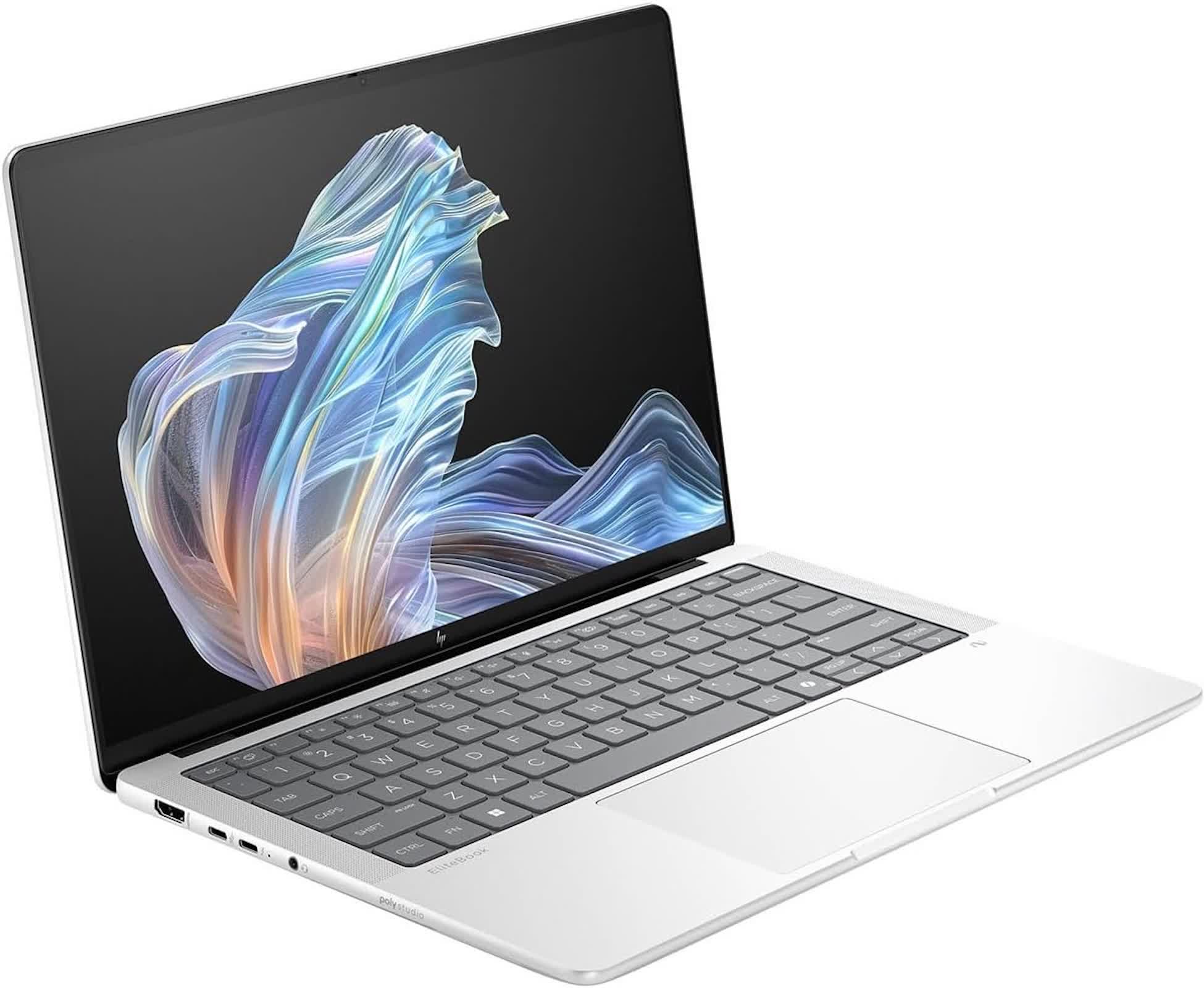
The problems appear tied to specific firmware versions. For the ZBook Ultra G1a, versions 01.04.03 and 01.04.05 have been cited in multiple reports. On the EliteBook X G1a, users have pointed to versions 01.03.11 and 01.05.00. Once installed, these updates are difficult to roll back, a recurring problem with BIOS-level changes.
Unlike typical software updates, firmware operates below the operating system, and failures at that level can leave a machine effectively unusable. Rolling back to a previous version is not always straightforward. Some users have managed to recover their systems using HP's network BIOS downgrade feature, but it has only worked when they used an HP USB-C-to-Ethernet adapter.
This isn't new territory for HP. In 2024, a separate BIOS update caused significant issues for some ProBook users, with certain devices reportedly rendered unusable. Those incidents raised similar concerns about testing and rollout practices for firmware updates.
The current situation comes as Microsoft is taking a closer look at the reliability of updates distributed through Windows Update, particularly those originating from third parties. Firmware updates are increasingly delivered through the same channel, which adds convenience but also raises the stakes when something goes wrong.
HP has acknowledged the issue but has not yet provided detailed guidance. For now, affected users are being directed to contact support.
Just days before these reports gained traction, HP was named a premier sponsor of the Linux Vendor Firmware Service, an open-source effort aimed at improving the delivery and management of firmware updates. The initiative, run by LVFS, already includes Lenovo and Dell and is designed to bring more consistency and transparency to firmware distribution.