
In a nutshell: Anyone looking for proof of AI's impact on the semiconductor industry need look no further than Samsung. The company is one of several benefiting from surging demand for AI hardware, but the sheer amount of profit it is expected to generate this year is nothing short of staggering.
During a recent town hall meeting, Kim Yong-Kwan, President of Corporate Management, Strategy, and Operations for Samsung's Device Solutions division, said the company's profit in 2026 would surpass its cumulative profit over the last 40 years since they entered the semiconductor business.
Yeah, let that sink in for a moment.
It is worth noting that Samsung is expecting to report an annual profit in the neighborhood of around 300 trillion won, or roughly $200 billion.
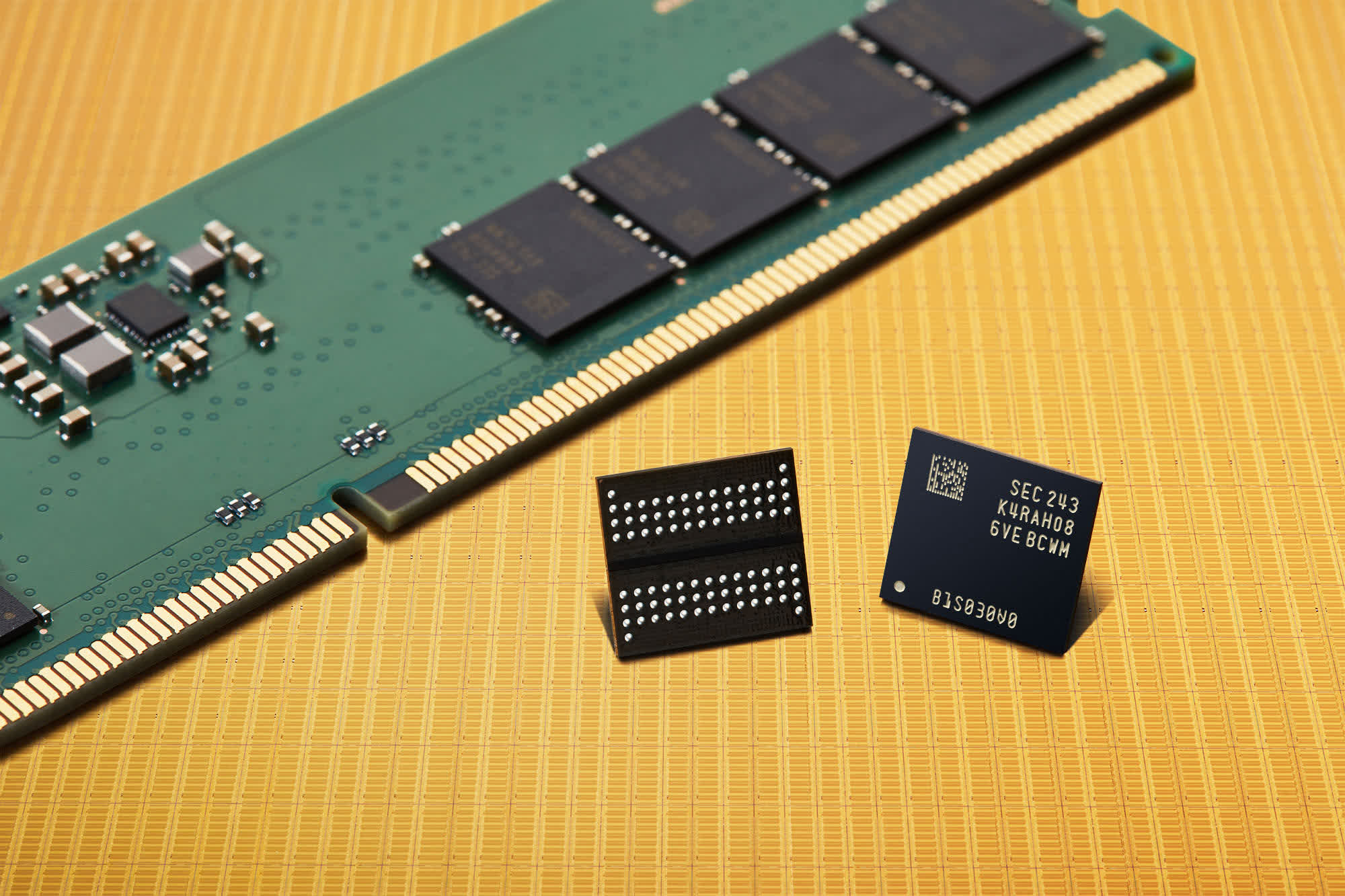
Companies like Samsung, Nvidia, SK Hynix and others are stacking record revenue on the sale of AI-related hardware as interest in artificial intelligence continues to sweep the globe. As you've no doubt heard by now, the situation is creating a major bottleneck for core electronic components like memory – driving up prices on goods and services as device manufacturers fight for what little inventory remains.
As with any supply and demand equation, there are winners and losers. The winners in this cases are those building the hardware to power AI workloads, and their investors. The losers? Well, mostly everyone else dealing with inventory shortages and soaring prices.
Microsoft, for example, recently announced its third Xbox price hike in 15 months. Can you ever recall a period where prices on aging consoles went up instead of down over their active lifespan? We're closing in on six years since Microsoft launched the Xbox Series (and Sony, the PlayStation 5). At this rate, the next wave of game consoles are going to price a lot of players out of the market entirely, either by circumstance or sheer disgust.
Samsung is set to announce its preliminary second-quarter earnings on July 7. The finalized earnings report is due out by the end of the month.