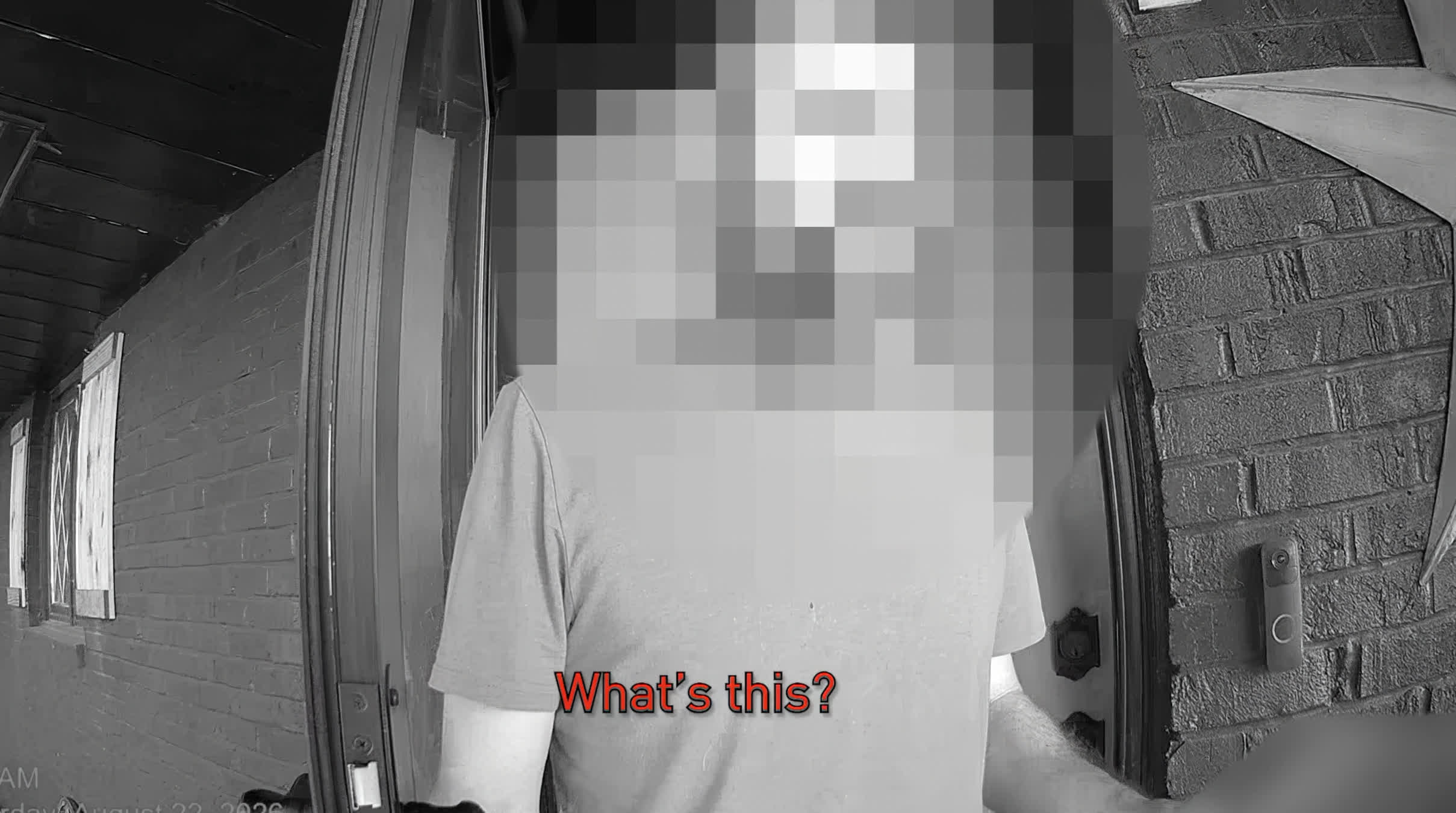
Winners & losers: Activision doesn't mess around when it comes to fighting Call of Duty cheaters. To show it means business, the company has just posted a video of cease-and-desist papers being served to infamous CoD (and other titles) cheat seller Elocarry.
In the one-minute video, posted to the official Call of Duty account, a legal representative films himself arriving at Elocarry's house in Ohio with the cease-and-desist paperwork.
The whole interaction is very quick, and Elocarry appears to take the news well, though he might lose his calm demeanor once he speaks to Activision's attorneys.
– Call of Duty (@CallofDuty) August 28, 2026
Elocarry's website lists cheats for games including Rust, ARC Raiders, Marvel Rivals, and Apex Legends, offering the likes of aimbots and ESP (extrasensory perception). He'd reportedly been selling a cheat pack for Black Ops 7 and Warzone, advertised as being safe from detection by the Ricochet anti-cheat system. He'd offered three-month subscriptions priced up to $108.
Activision posted a follow-up message on X that included a screenshot from Elocarry's official Discord channel. It confirmed that sales and availability of Call of Duty products (cheats) had been temporarily paused while the matter was "reviewed internally."
– Call of Duty (@CallofDuty) August 28, 2026
The gaming giant said it has disrupted more than 375 cheat reseller operations, served more than 80 cease-and-desist demands, and shut down more than 30 vendors. The company added that it's prepared to take cheat developers and sellers to court.
This is far from Activision's first fight against Call of Duty cheaters. In 2020, a legal threat from the company pushed CxCheats to stop developing and selling Call of Duty hacks. The following year, Activision banned 60,000 Warzone accounts in one sweep, bringing the total number of permanent bans at the time to more than 300,000.
Later in 2021, Activision introduced Ricochet and warned that persistent offenders could be permanently banned from every past, current, and future game in the franchise. The anti-cheat system has since used some unusual punishments against suspected hackers, including making legitimate players invisible to suspected cheaters, removing cheaters' weapons, and deploying fake player clones that only flagged accounts can see.
Activision has also shown that its courtroom warnings aren't just empty threats. In 2024, a California judge awarded the publisher $14.5 million in damages from EngineOwning, which sold Call of Duty cheats. The company was also awarded almost $293,000 in attorneys' fees, while EngineOwning was ordered to hand over its website.
All of which means Elocarry might want to take those papers seriously. Pausing his sales could be only the first step if Activision decides to make him its next courtroom example.