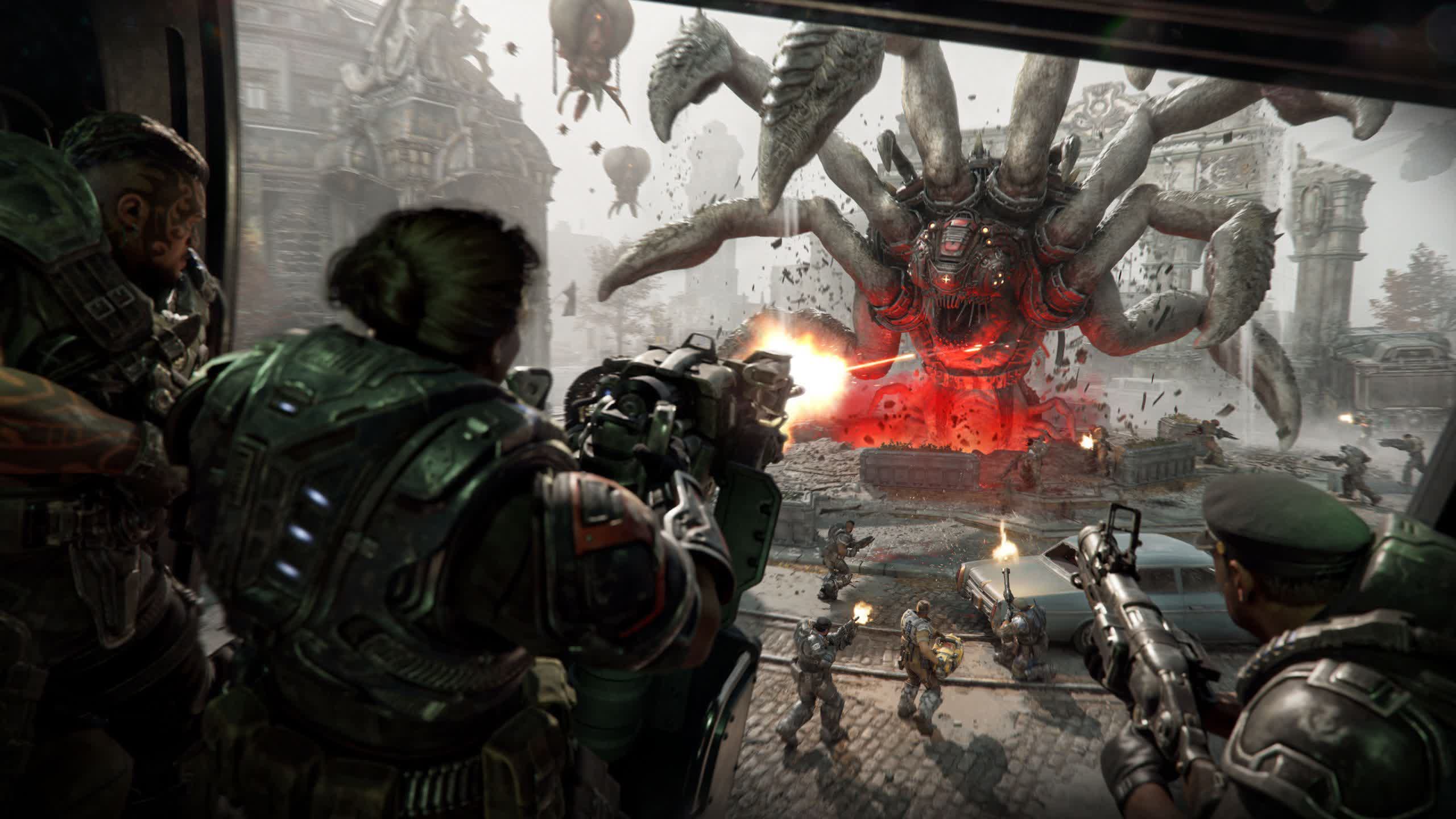
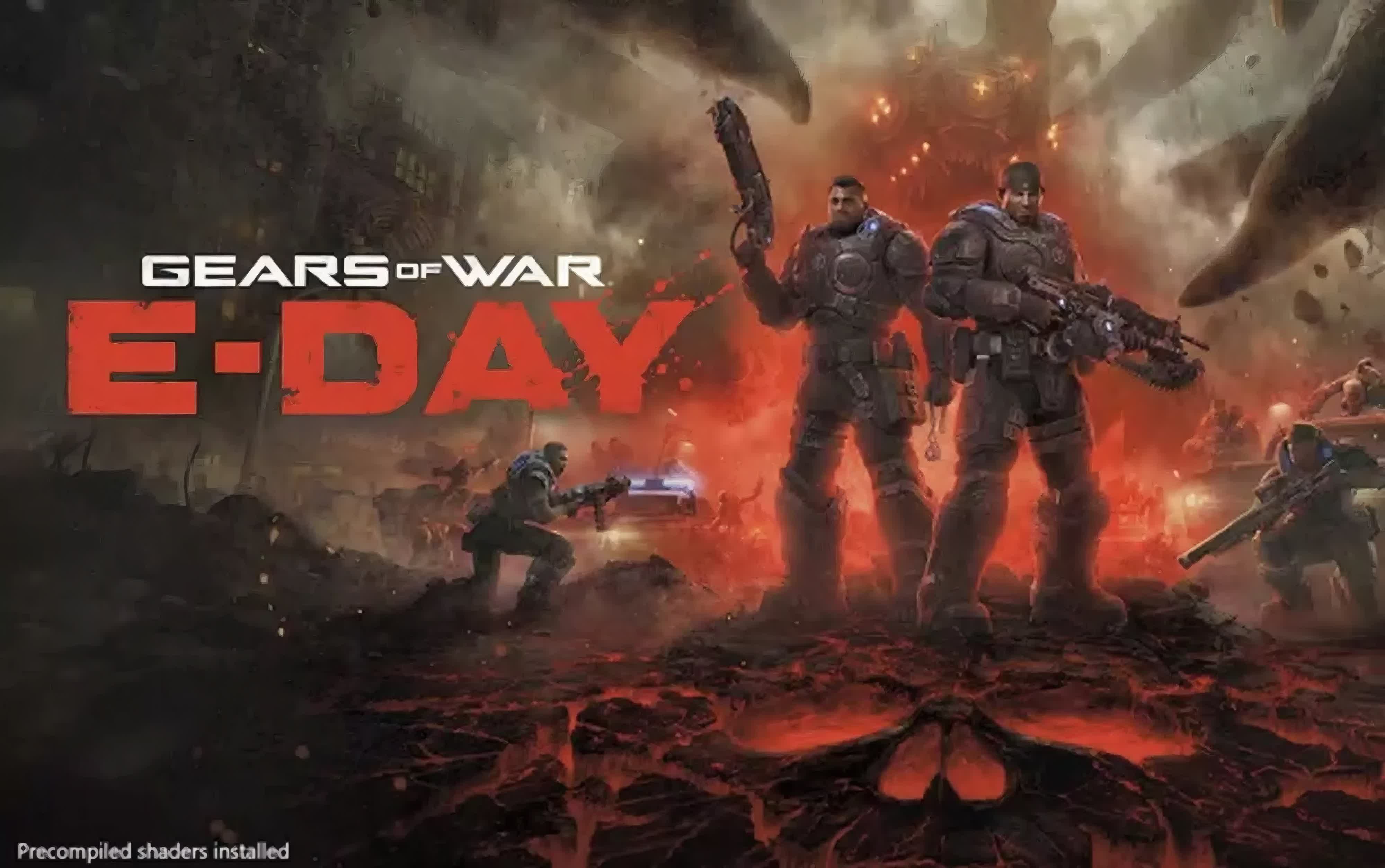
Something to look forward to: Microsoft is preparing to expand its Advanced Shader Delivery service to PCs with Intel, Nvidia and Qualcomm graphics hardware, a move aimed at cutting down the lengthy shader-compilation process that can hold up a game's first launch. The service has already appeared in the PC version of Gears of War: E-Day, but it currently works only with AMD Radeon GPUs. Microsoft says support for more Windows devices is coming later in October.
Advanced Shader Delivery, or ASD, distributes compiled shaders from the cloud instead of having each player's PC compile them locally before play. Microsoft says that can reduce the process from "several minutes" to "just a few seconds," with a 95% reduction in burn time overall.
Shader compilation is now a familiar issue for PC players, especially in large games with demanding graphics systems. Shaders are small programs used by the GPU to render lighting, surfaces, effects and other visual elements. A game may need to compile them for a particular PC setup before it can run smoothly.
This process often happens when you launch a game for the first time. In some cases, it also takes place during gameplay as new areas, effects or assets load. When that happens, you can notice stuttering, even on high-end hardware.
Microsoft's approach is meant to move more of that work away from the player's machine. Instead of requiring the PC to prepare all of the shader data locally, ASD delivers precompiled shaders through the cloud. The goal is to reduce both the initial wait and the risk of shader-related hitches once a game is running.
Wendy Ho, a DirectX program manager at Microsoft, said in a company blog post that the service will soon support "additional Windows devices powered by Intel, Nvidia and Qualcomm."
Broader GPU coverage gives ASD a better chance of becoming a practical option for major PC releases rather than a feature tied to a narrower group of systems. Nvidia remains a major presence in PC graphics, while Intel has expanded its Arc GPU lineup and Qualcomm is pushing further into Windows devices.
The first implementation also highlights the scale of the problem Microsoft is trying to address. Gears of War: E-Day has had a substantial shader-compilation step at startup. Microsoft reports Call of Duty: Modern Warfare 4 is the next game scheduled to support the technology.
The service will not automatically improve every PC game. Developers must build ASD support into their titles, and there is no indication that it will become standard across the industry in the near term. Some games will continue to compile shaders locally, while others may use different caching or precompilation methods.
Still, shader compilation has become one of the clearest weak points in the PC gaming experience. Players can spend heavily on fast processors, modern graphics cards and solid-state storage, then face several minutes of waiting before a new game reaches its menu. If ASD works as Microsoft describes, it could speed up first launches and reduce one of the most common sources of PC game stutter.