
Editor's take: Many research and enterprise organizations are trying to force staff to use AI tools wherever and whenever they can. Needless to say, the backlash is as strong as the C-suite's stubborn determination to push AI, even where there is absolutely no need for it.
David Durman might be the first employee to receive a special exemption from using AI tools on religious grounds. The 45-year-old research administrator at the University of Kentucky identifies as a humanist, a belief system that apparently requires him to avoid AI-based workflows. Durman's job doesn't require AI either, which is likely the main reason the university ultimately agreed to his unusual request.
Durman decided to take the religious route after his university's administrators began asking all employees to adopt AI in their work. In a recent interview, Durman said that he felt the request ran counter to his fundamental ideas about what it means to be human. In his view, the university was asking a fully conscious adult to offload his entire thought process to a chatbot to perform his daily duties.
Durman stated that "the process and work involved in thinking through situations, through my work, through my ethics, through the way I handle other people, is a key component in being able to develop myself as a moral person." Offloading that process to a commercial LLM tool was essentially undercutting his agency as a moral and conscious being.
Broadly speaking, humanism is neither a religion in the conventional sense nor a clearly defined philosophical movement. Rather, it is a philosophical stance shared by various intellectual traditions that emphasize universal human qualities, the pursuit of knowledge, and the improvement of individual and social conditions.
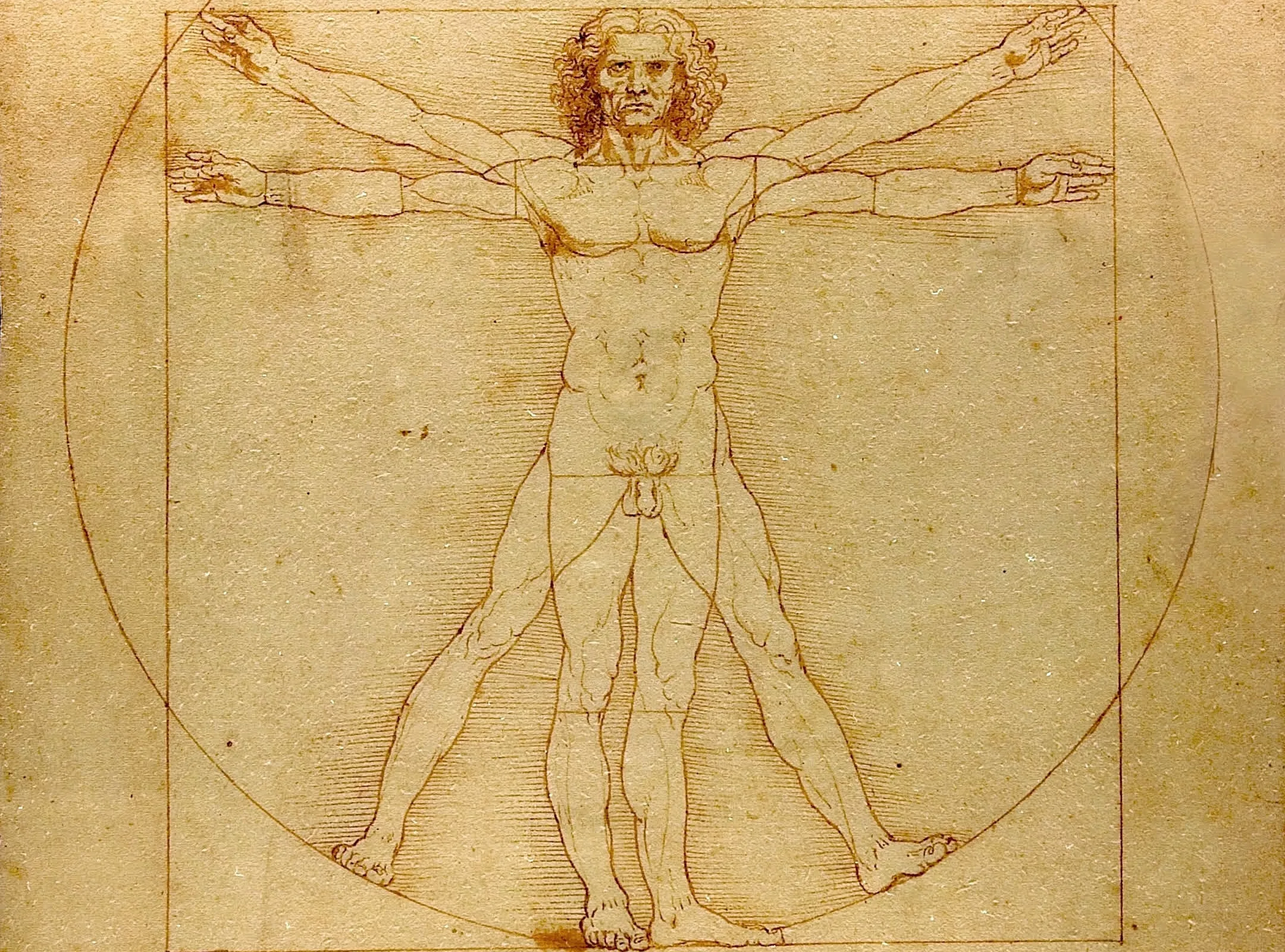
Durman's "quest" was supported by the American Humanist Association (AHA), with both parties seeking a religious accommodation from the University of Kentucky under Title VII. Federal law allows employees to request workplace accommodations that enable them to adhere to their religious beliefs.
The university agreed to Durman's request in September, granting the administrator special permission to avoid using Copilot, ChatGPT, and other LLM-based "stochastic parrots" in his work. Before working with the AHA, Durman sent a letter to university administrators in which he quoted the Humanist Manifesto III, which the organization first published in 2003.
In the interview, Durman confirmed that he could do his job without resorting to chatbots. At the university, he helps researchers with grant applications and related tasks. According to AHA attorney Alexandria Huiskens, the parties had a "very collegial" meeting during which Durman confirmed that avoiding AI would not burden his department or reduce its productivity.
Recent polls suggest that employees are increasingly stressed by organizations' efforts to fully integrate AI into their workflows. Durman argues that AI could have a very negative impact on society as a whole, while humanist principles run counter to what he sees as a turbo-capitalistic, nihilistic approach to exploiting human nature. In this regard, Huiskens said Durman's "religion" could be considered a "comprehensive way of life," much like Christianity and Islam.