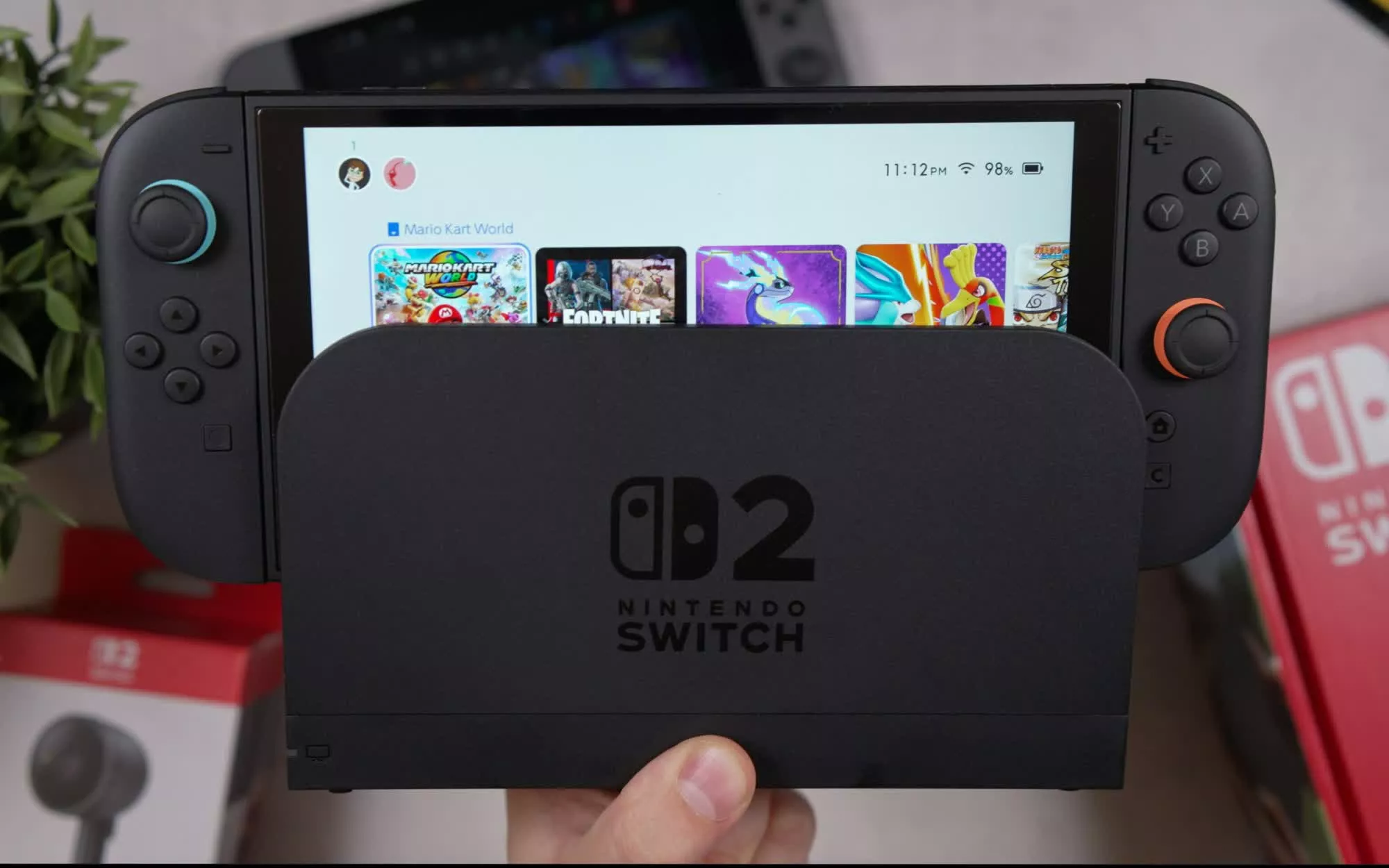
Bottom line: Nintendo's Switch 2 sales have fallen sharply, and the price hike recently introduced to the console could make recovering harder. The company sold 2.67 million consoles in the three months through September, down 41% year over year and below the previous quarter's 3.82 million
Across the six months ending September 30, Switch 2 sales reached 6.49 million units, a 37.4% decline from 10.36 million a year earlier. That amounts to almost four million fewer consoles, although the comparison includes last year's release, when The Switch 2 became the fastest-selling home console launch in US history.
As with many products, Nintendo's response to rising component costs has made its handheld a more expensive purchase. In May, the company announced a $50 US increase, taking the Switch 2 from $449.99 to $499.99. The new price took effect September 1.
Nintendo cited changes in market conditions, with soaring memory costs a major factor.
The US, Canadian and European increases applied to only the final month of this six-month reporting period, so we still don't know their impact. The holiday quarter will provide a fuller picture.
In August, Switch 2 hardware sales fell more than 30% year over year in the June quarter. But cumulative sales had passed 23 million, comfortably ahead of the original Switch's roughly 17 million over a comparable period.
– Pierre485 (@pierre485_) November 5, 2026
Nintendo maintained its forecast of 16.5 million Switch 2 sales for the year ending March 2027, roughly 16.9% below the previous year's 19.86 million.
Games were a brighter spot. Switch 2 software sales rose 18.8% to 24.49 million during the six-month period, while digital sales increased by 60.5% year-on-year. The newly released Ocarina of Time remake could also encourage console purchases heading into the holidays. Nintendo will be hoping those releases justify a more expensive upgrade in the eyes of consumers.
– Pierre485 (@pierre485_) November 5, 2026
Beyond Nintendo's hikes, Valve's Steam Deck OLED jumped by up to $300, taking the 1TB model to $949, while even Raspberry Pi raised its prices as memory costs climbed. From budget computers to PC components and gaming handhelds, the AI boom continues to make tech purchases a more painful proposition.