
With memory and storage prices regressing to 2018 levels due to the AI boom, you may be wary of buying a new PC or gaming console, but how about a phone? While Apple and Google are seemingly able to absorb the cost difference to retain their user base, other phone makers now charge higher prices for some of their most popular models.
Fortunately, price increases haven't hit all market segments. Budget phones with little RAM and more modest specs remain affordable, and flagship phones with healthy profit margins are still priced to compete. There are well-rounded options across various the board, whether you are a budget-conscious buyer, a dedicated iPhone fan, or an Android enthusiast.
We've structured this buying guide around the most relevant categories for tech enthusiasts, with clear-cut recommendations whether you're after top-tier performance, reliable midrange versatility, or affordable essentials.
Additionally, upgrade cycles vary among consumers – some prefer to upgrade every year to keep up with the latest tech, while many others opt for longer intervals, prioritizing durability and value over cutting-edge features. Explore our top picks below to find the phone that best fits your needs.

The Best Value Phones
Google Pixel 10a | Apple iPhone 17e

The Google Pixel 10a may not be much better than last year's Pixel 9a, but at least it's not worse or more expensive than its predecessor, which is more than can be said about value-oriented competitors like the OnePlus 15R. The Pixel 10a features a truly flat back with no camera bump, which significantly alters the feel of the phone if you use it without a case.
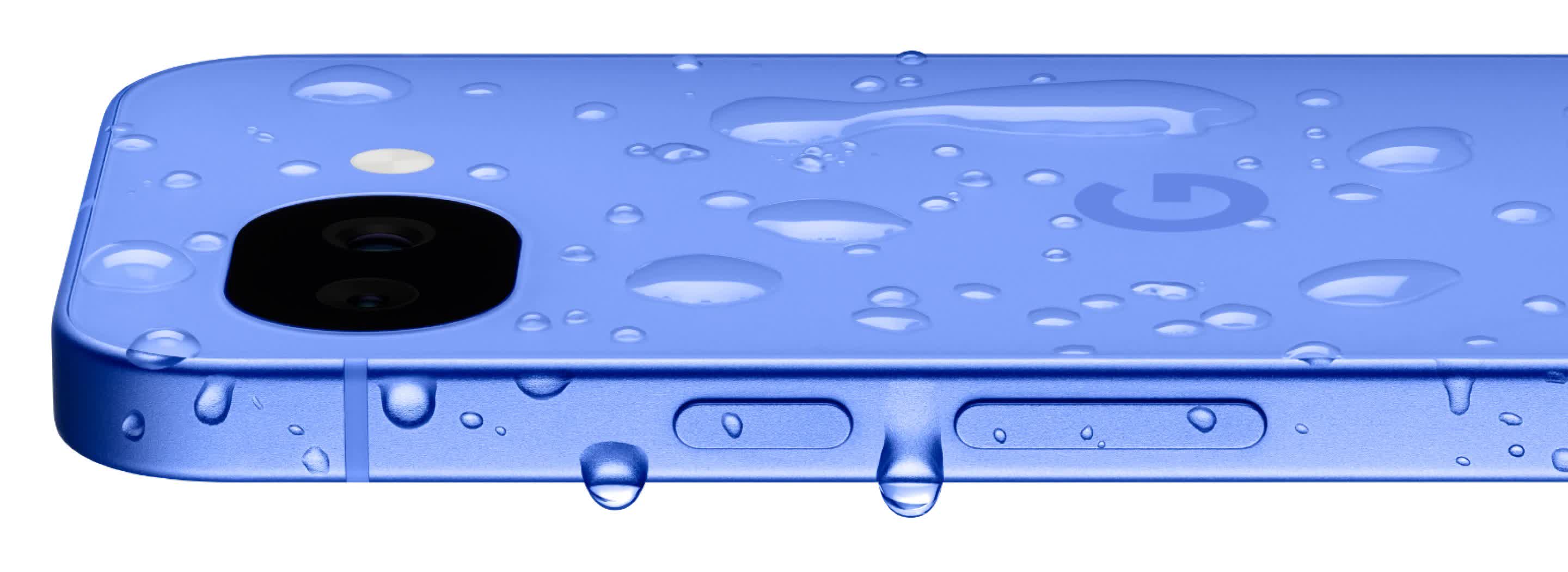
Google guarantees seven years of OS upgrades and security patches for its Pixel phones. As the brain behind Android, Google's updates are as prompt as Apple's iOS patches. The Google Pixel 10a is supposedly almost as good as the Pixel 10 at $300 less, but in reality the difference is often just $150. In this case, it helps to know what the other differences are.
The 6.3-inch, 1080p, 120Hz display is almost identical, offering the same 20:9 aspect ratio. The Pixel 10a is rated for 30 hours of battery life as opposed to the Pixel 10's 24 hours, even though its battery is only marginally bigger at a typical 5,100mAh versus 4,970mAh. However, the Pixel 10 offers faster wireless charging with magnetic Pixelsnap support.
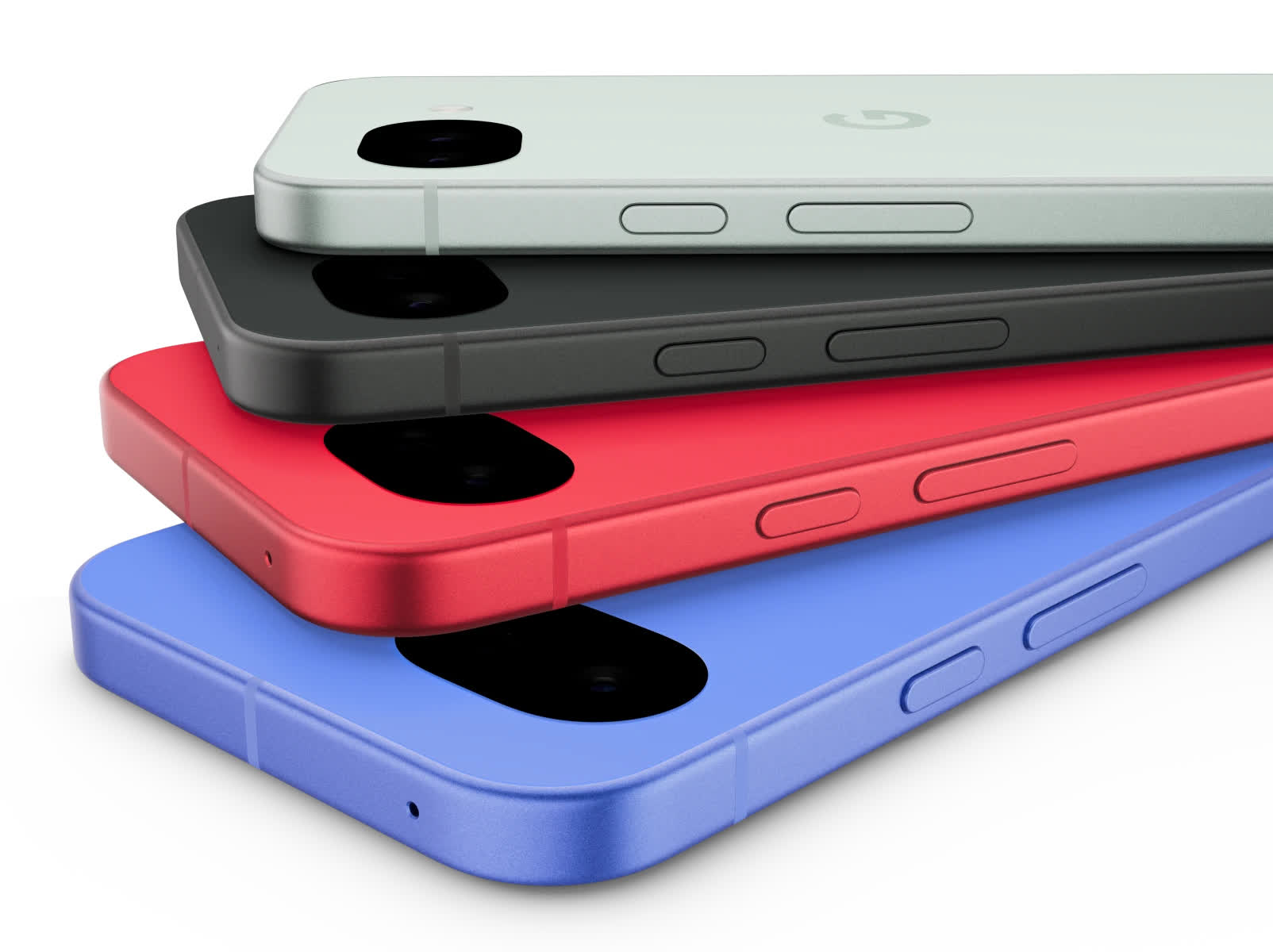
The two phones share the same 48MP main camera (takes 12MP photos) and 13MP ultrawide camera. The Pixel 10a's 13MP front camera has slightly smaller pixels than the Pixel 10's 10.5MP, so it isn't truly better, especially as it doesn't offer auto-focus. However, the biggest difference is the Pixel 10's inclusion of a 10.8MP telephoto camera, with 5x optical zoom.
The Pixel 10 utilizes a newer Tensor G5 processor and 12GB of RAM rather than just 8GB, which allows for two extra AI features: Pixel Screenshots scans your screen captures for information you may need later, and Magic Cue generates reminders based on information from your messages. The Pixel 10 also supports 5G mmWave.
The Pixel phone series stands out also for extra editing tools that leverage the Tensor SoC. Audio Magic Eraser is useful for removing background noise from videos. Magic Editor allows to move, resize and remove people and objects in photos.
'Best Take' allows you to combine faces from different times into the same photo – a feature that was actually introduced by BlackBerry in 2013. Add Me does the same, but with people's entire body.
Auto Frame can not only crop photos, but also expand them using AI, and Reimagine completely replaces the photo's background. The Pixel 10's Zoom Enhance feature adds detail to distant objects as you zoom in. All of this may sound unethical, but the era of photos being more reliable than drawings is over anyway.
Apple iPhone 17e
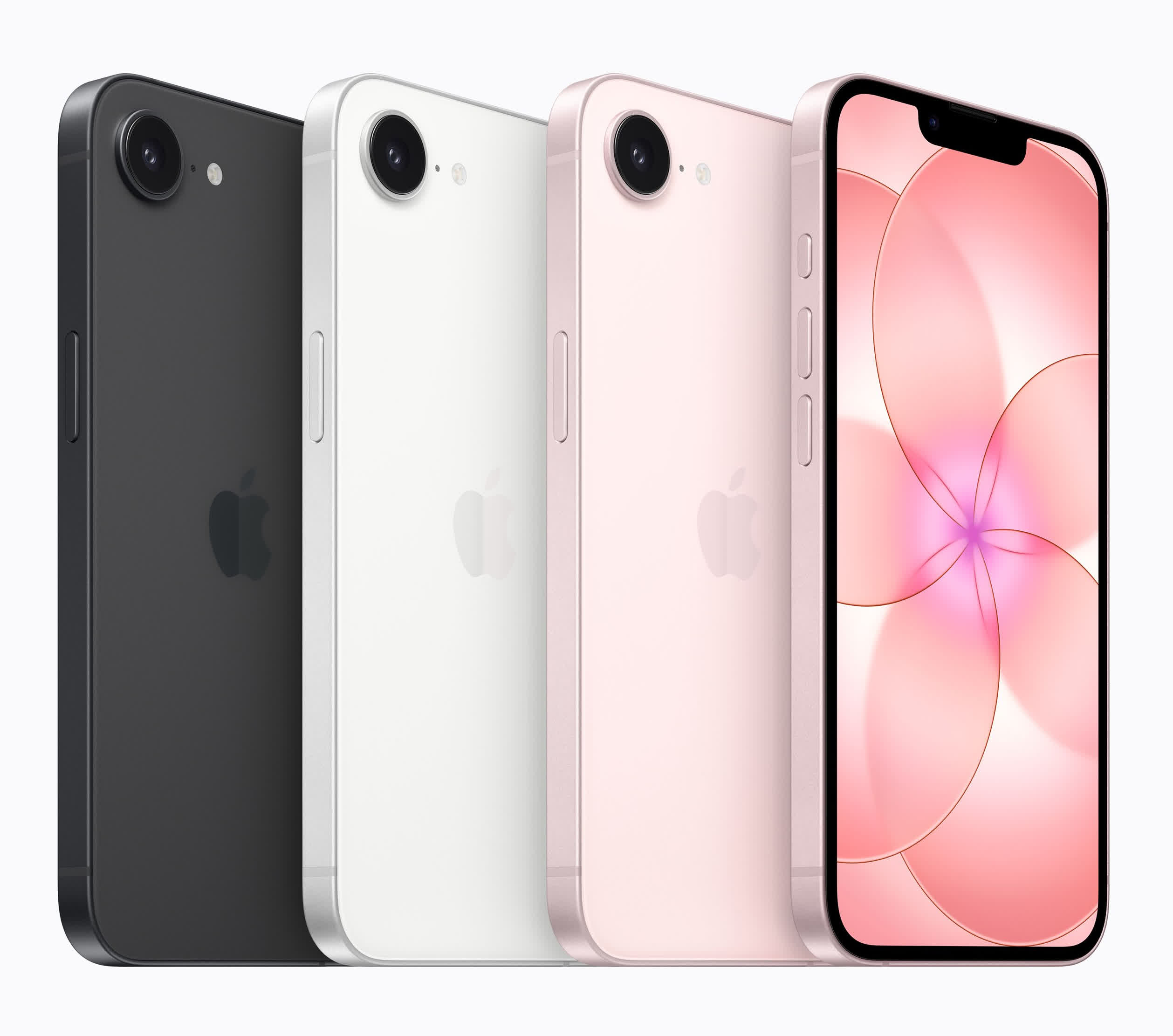
The iPhone 17e is $200 cheaper than the iPhone 17 with the same storage (starting at 256GB), but how does it compare? It retains the same display as the iPhone 14, with a 60Hz refresh rate and a bigger notch that's attached to the top of the 6.1-inch screen.
The iPhone 17e has the same A19 processor with 8GB of RAM and Apple Intelligence support, but with four active graphics units instead of five. It supports MagSafe charging, albeit at 15W instead of 25W.
The most visible difference is the lack of the ultrawide lens on the back, but the front 12MP camera isn't ultrawide either. Other than that, the iPhone 17e doesn't support mmWave, Wi-Fi 7, Bluetooth 6, or Ultra Wideband for accurately locating AirTags. While not an obvious pick over the iPhone 17, the iPhone 17e is a good phone for the money in its own right.
Best Phones for Most People
Apple iPhone 17 | OnePlus 15 | Google Pixel 10 Pro

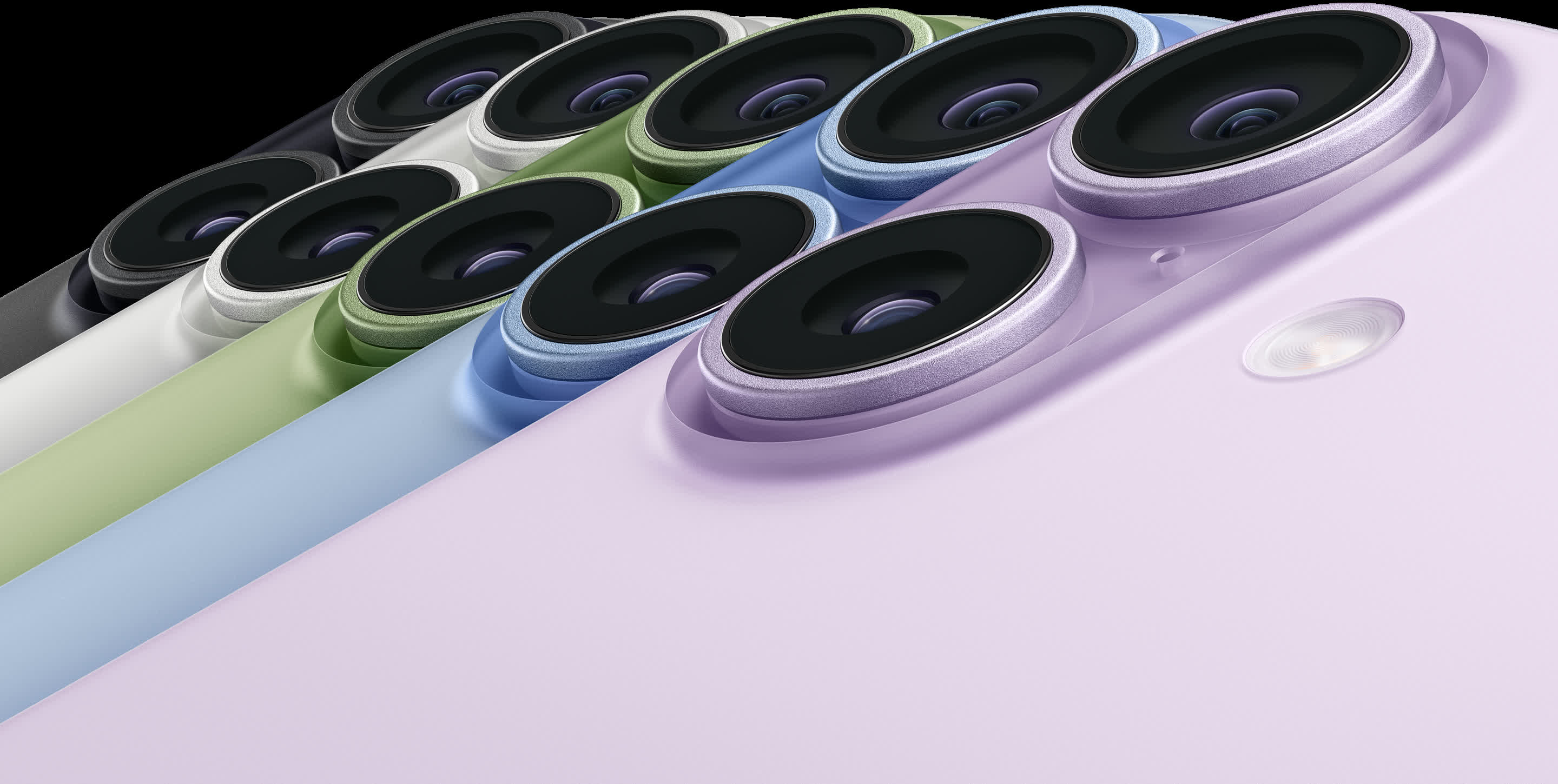
The iPhone 17 incorporates features previously reserved for Pro models. The 6.3-inch, always-on display is the same as the iPhone 17 Pro's, with a 120Hz refresh rate. The main camera can capture 48MP images but defaults to 24MP for better dynamic range and faster shutter speed.
The ultrawide lens with 0.5x optical zoom has been upgraded to 48MP as well. The selfie camera now uses an ultrawide 24MP sensor to capture either horizontal or vertical 18MP images, or keep your face in the middle of a 7MP video.
The iPhone 17 starts at 256GB of storage and utilizes the A19 chip. If these improvements don't matter to you and you want a larger screen, you can still get the 6.7-inch iPhone 16 Plus for the same price, or an extra $100 with the same amount of storage.
OnePlus 15
The OnePlus 15 isn't an outright improvement over our previous pick, the OnePlus 13, but a very different phone utilizing the newer Snapdragon 8 Elite Gen 5 processor. The 6.8-inch display features a higher 165Hz refresh rate, but a lower 1272p resolution.
The 50MP main, ultrawide and telephoto (3.5x optical zoom) cameras are smaller and capture less light. On the other hand, the 32MP front camera has gained autofocus capability.

The OnePlus 15's main selling point is the exceptional 7,300mAh battery with 80W charging. With an IP69K rating, it's a safe choice if you tend to forget your phone in the pants you put in the laundry machine. The main drawback is the promise of only four newer Android versions, despite six years of security updates.
The OnePlus 15 starts at $899 with 12GB of RAM and 256GB of storage, and for another $100 you can increase that to 16GB of RAM and 512GB of storage.
Google Pixel 10 Pro
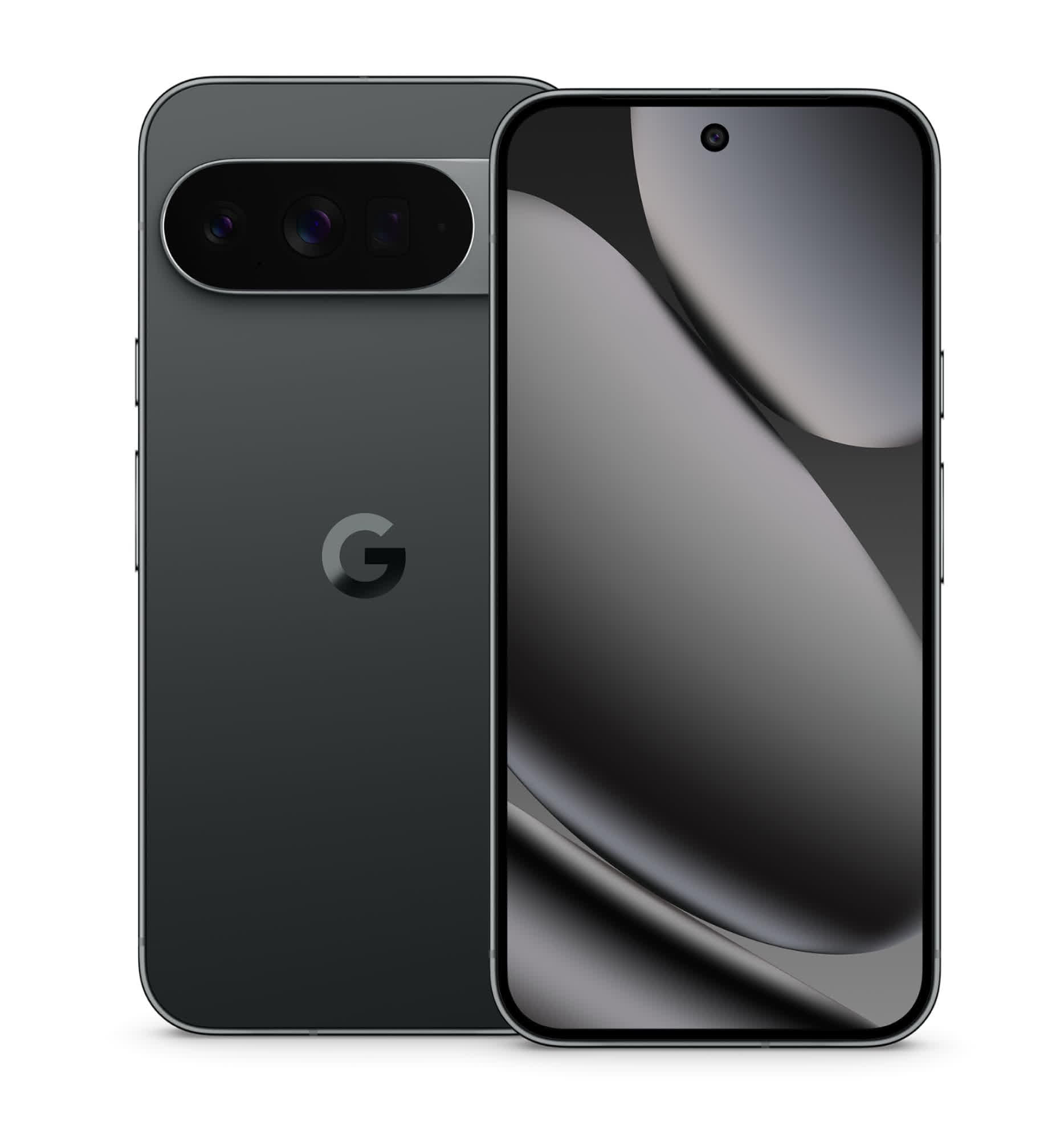
If cameras are your top priority, then the best choice for you is the Google Pixel 10 Pro, which improves upon the Pixel 10 with 16GB of RAM and a sharper, 1280p display. The 50MP main camera is significantly larger, and the ultrawide and telephoto (5x optical zoom) cameras are both 48MP, and the front camera can take 42MP photos.
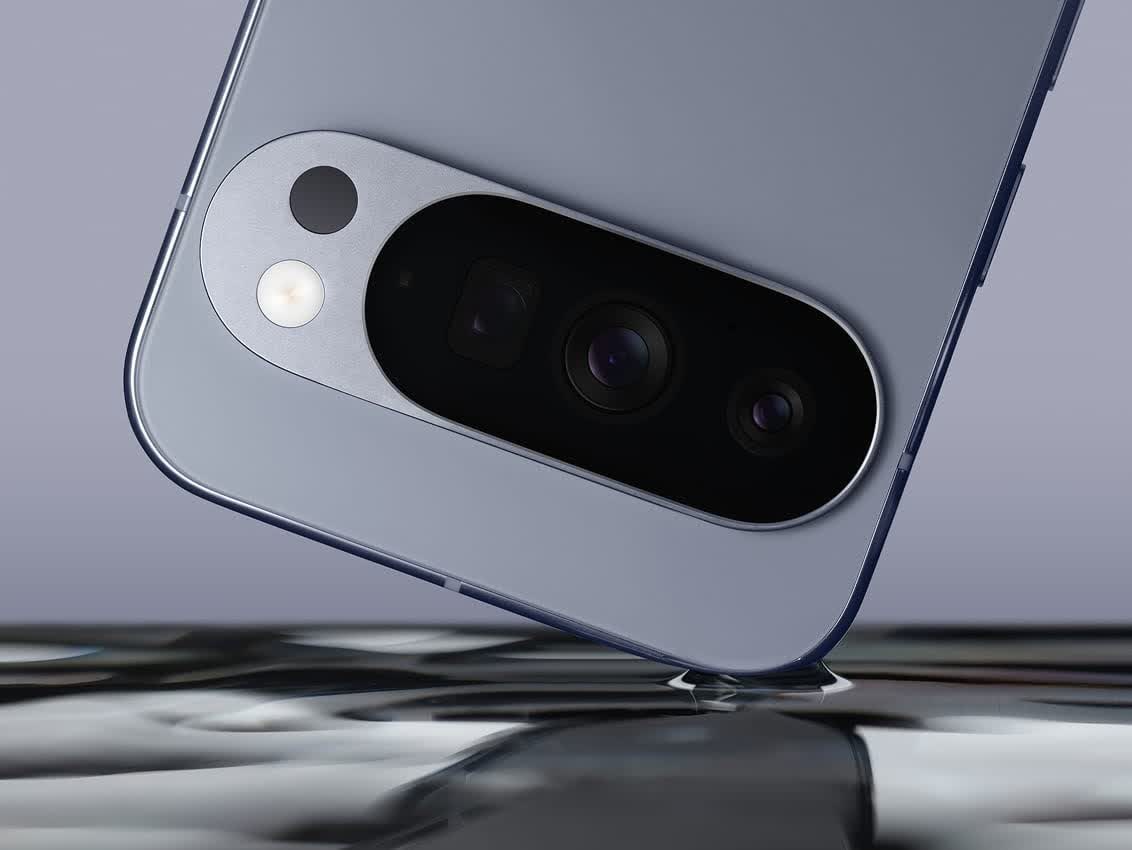
The Pixel 10 Pro starts at $750 with 128GB of storage, which can be upgraded to 256GB for $100. If you want a bigger phone, the 6.8-inch Pixel 10 Pro XL starts at $950 with 256GB. Its battery isn't much bigger at 5,200mAh vs. 4870mAh, but it charges faster in both wired and wireless modes. At this price, its main drawback is the Tensor G5 chip, which isn't as powerful as the Snapdragon Elite Gen 5 for general use.
To fold, or not to fold?
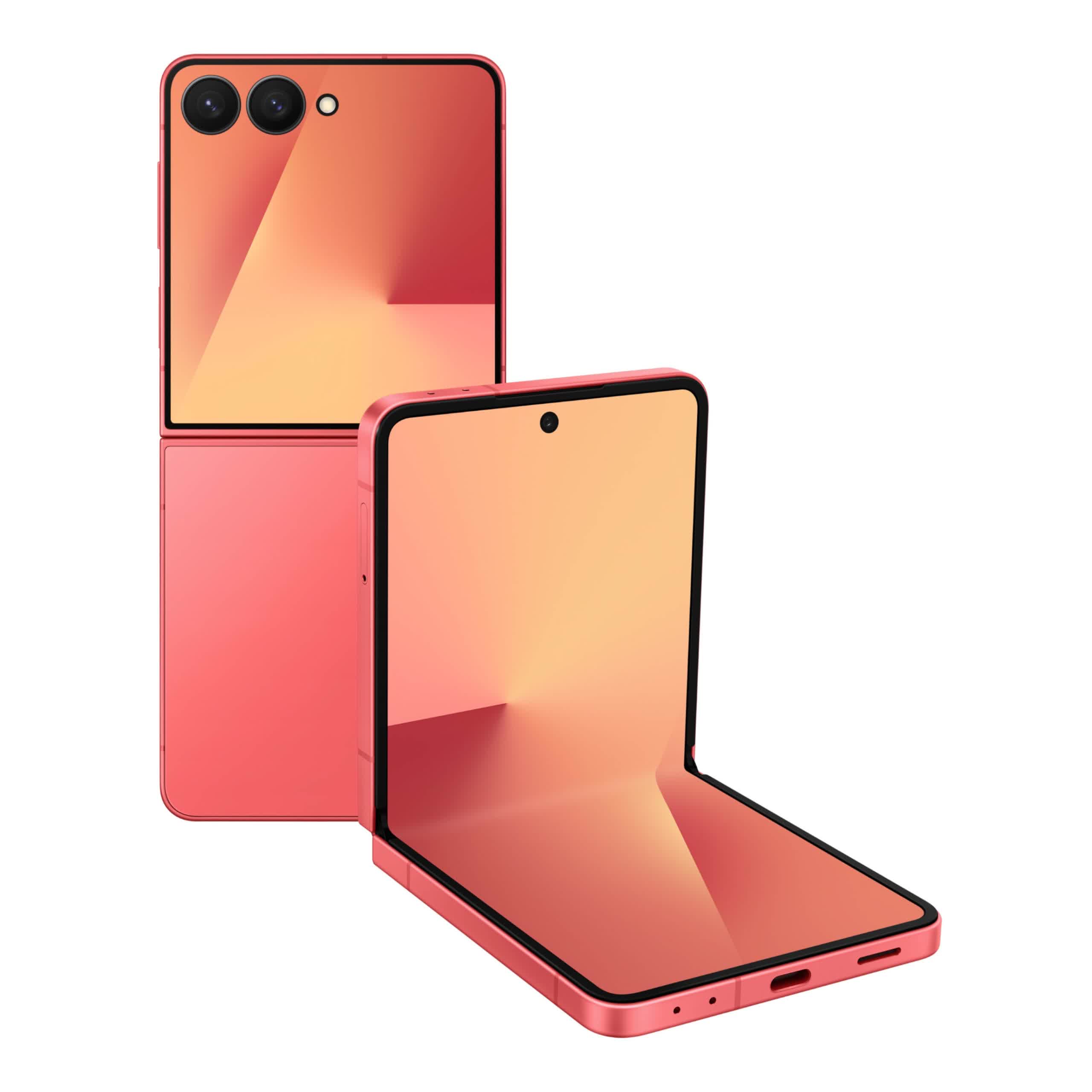
Foldable phones, like the Samsung Galaxy Z Flip 7, might seem tempting. However, their design restricts battery and camera configurations. With a previous-gen SoC and a tangible crease when unfolded, the Flip 7's $1,100 price point is higher than most phones, and it's more scratch-prone and less dust-resistant than most. Unless you really need the unique form factor, you should probably look elsewhere.
Best Budget Phones
Samsung Galaxy A17 and A26

If you're in the market for an affordable $200 device that can handle the tasks most users demand from their phones – albeit not always as proficiently – the Samsung Galaxy A17 is your best option, even though it's not much better than our previous pick, the Samsung Galaxy A16 5G. Six years of Android and security updates are more than you are going to get anywhere else for this price.
The 6.7-inch 1080p AMOLED display offers great contrast, runs at 90Hz, and unlike the Galaxy A16, it's covered with Gorilla Glass Victus. Additionally, the phone supports NFC for contactless payments.
The Galaxy A16 features a 13MP front-facing camera, and on the rear three cameras: a 50MP primary lens, along with a 5MP ultrawide camera and a 2MP macro sensor. Unlike its predecessor, it offers optical image stabilization for less blurry captures, especially in low-light conditions.
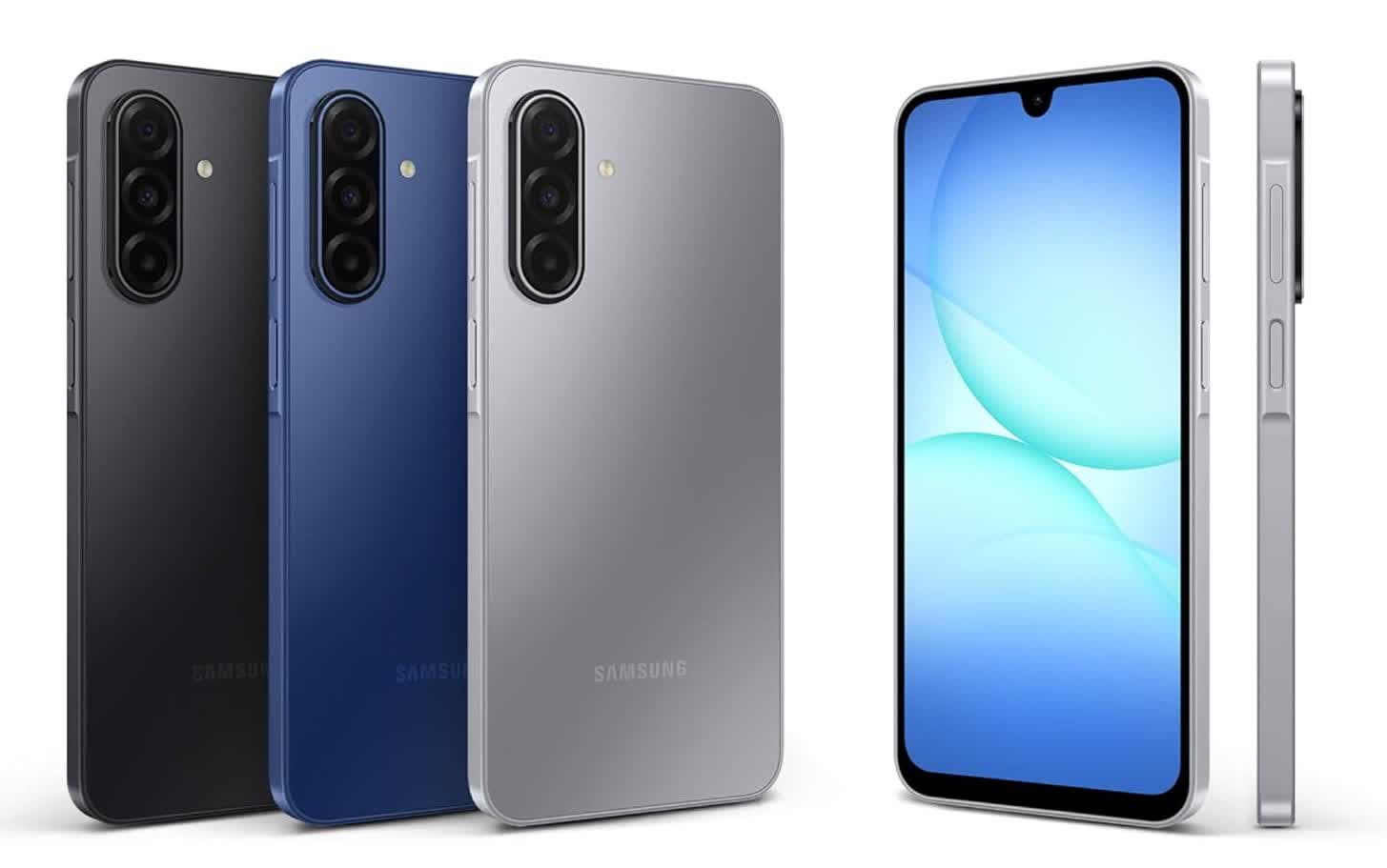
This year's phone is only available in the US with 4GB of RAM and 128GB of storage, as higher specs would push it close in price to more advanced phones. However, storage can be expanded with microSD up to 2TB. Thanks to the 5,000mAh battery, the phone features good battery life, and it also supports 25W charging. On the other hand, the mono speaker is as basic as you can imagine.
For $100 more, the Galaxy A26 features Gorilla Glass on the back, IP67 dust/water resistance, an always-on 120Hz display and an upgraded 8MP ultrawide camera. It also comes with 6GB of RAM.
Hello Moto?
In previous years, we would also consider the Motorola Moto G Power, but the 2026 version uses the same CPU as the 2025 model, which was already a downgrade compared to the 2024 version, and drops wireless charging. With an inferior LCD display, just three years of security updates and the amount of bloatware that Lenovo installs on the phone, it's a no-go.
Best of the Best
Apple iPhone 17 Pro Max | Samsung Galaxy S26 Ultra

With the iPhone 17 sharing so many features with the iPhone 17 Pro line, who are the Pro models for?
The answer: serious photographers.
The most visible difference is the 48MP telephoto camera with 4x optical zoom, but LiDAR is also important for quick auto-focus. USB 3.1 allows for recording 4K video at 120 FPS into an external device, and the inclusion of four studio-quality microphones improves audio capture.
The iPhone Pro line differentiates itself with the A19 Pro SoC (with six active graphical units and double the cache) and 12GB of RAM. On paper, Apple's top-tier smartphone may appear to offer similar features to those found in mainstream products from other companies. However, thanks to iOS and its finely-tuned apps, its performance is notably superior.
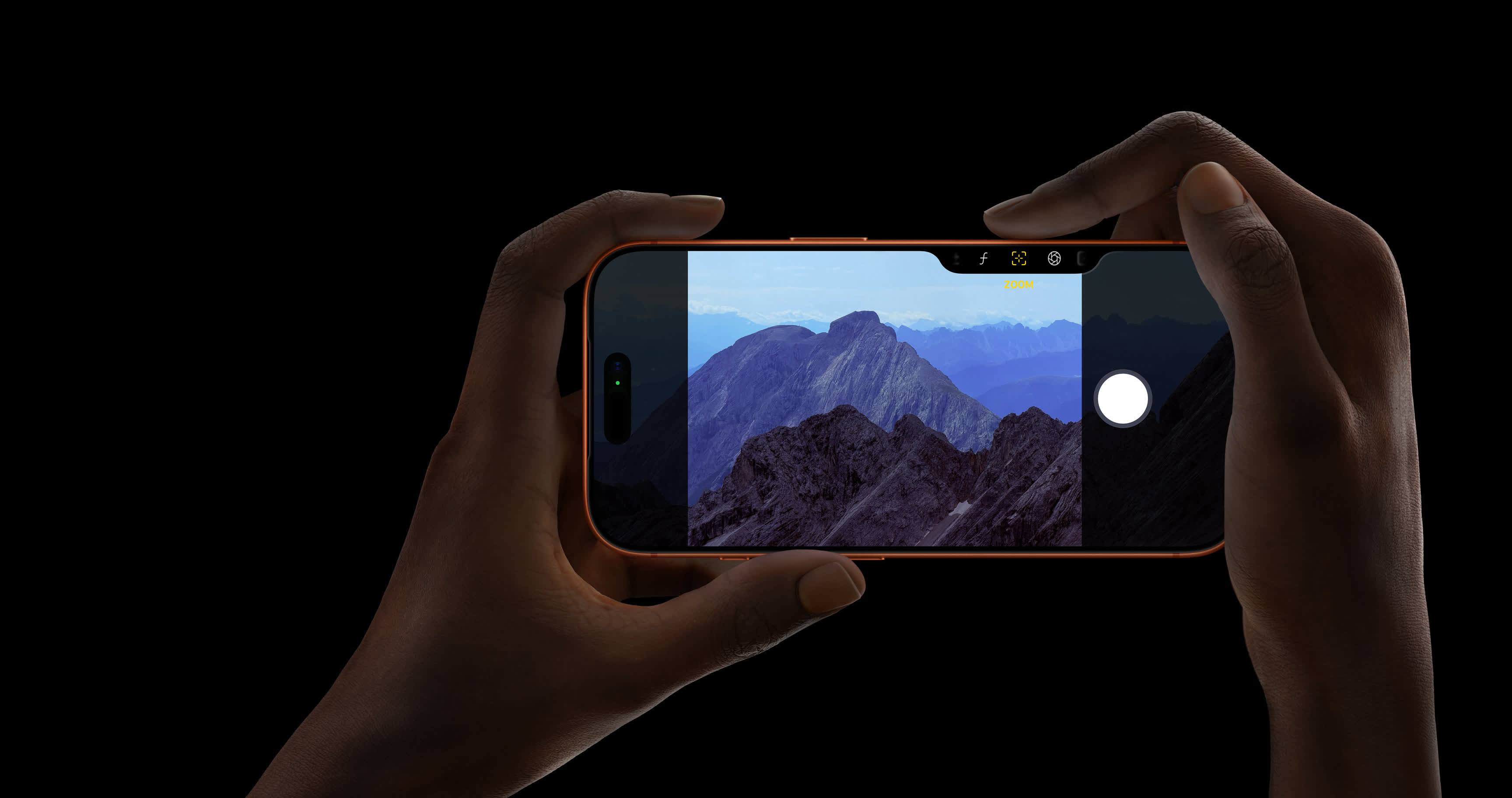
The titanium experiment of the iPhone 16 Pro era has been abandoned, as aluminum is lighter and better at conducting heat, but the iPhone 17 Pro includes a ceramic shield on the back as well as the front.
The iPhone 17 Pro Max is the iPhone with the biggest battery and screen at 6.9 inches. Starting at $1,200 with 256GB of storage, the price is steep, especially when contrasted with a $600 iPhone 17e with the same base 256GB storage.
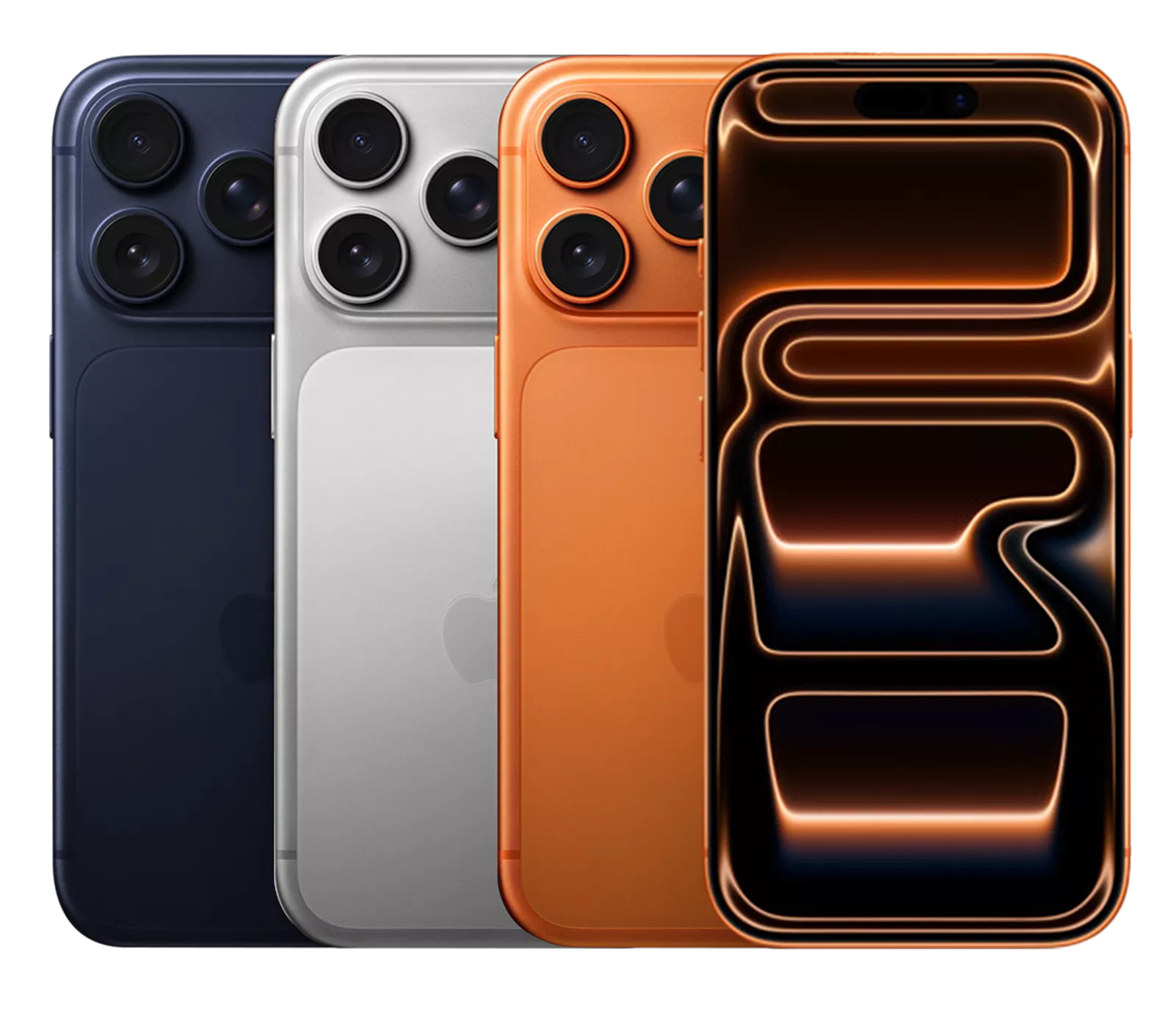
If it plays any kind of factor in your equation, a well-preserved iPhone Pro Max can typically be traded in or sold for around $400 or $500 after about two years.
If you're inclined towards a more compact device, the regular iPhone 17 Pro will save you $100, but the camera plateau that allows the rest of the phone to be thinner can make the shorter phone feel top-heavy.
Samsung Galaxy S26 Ultra
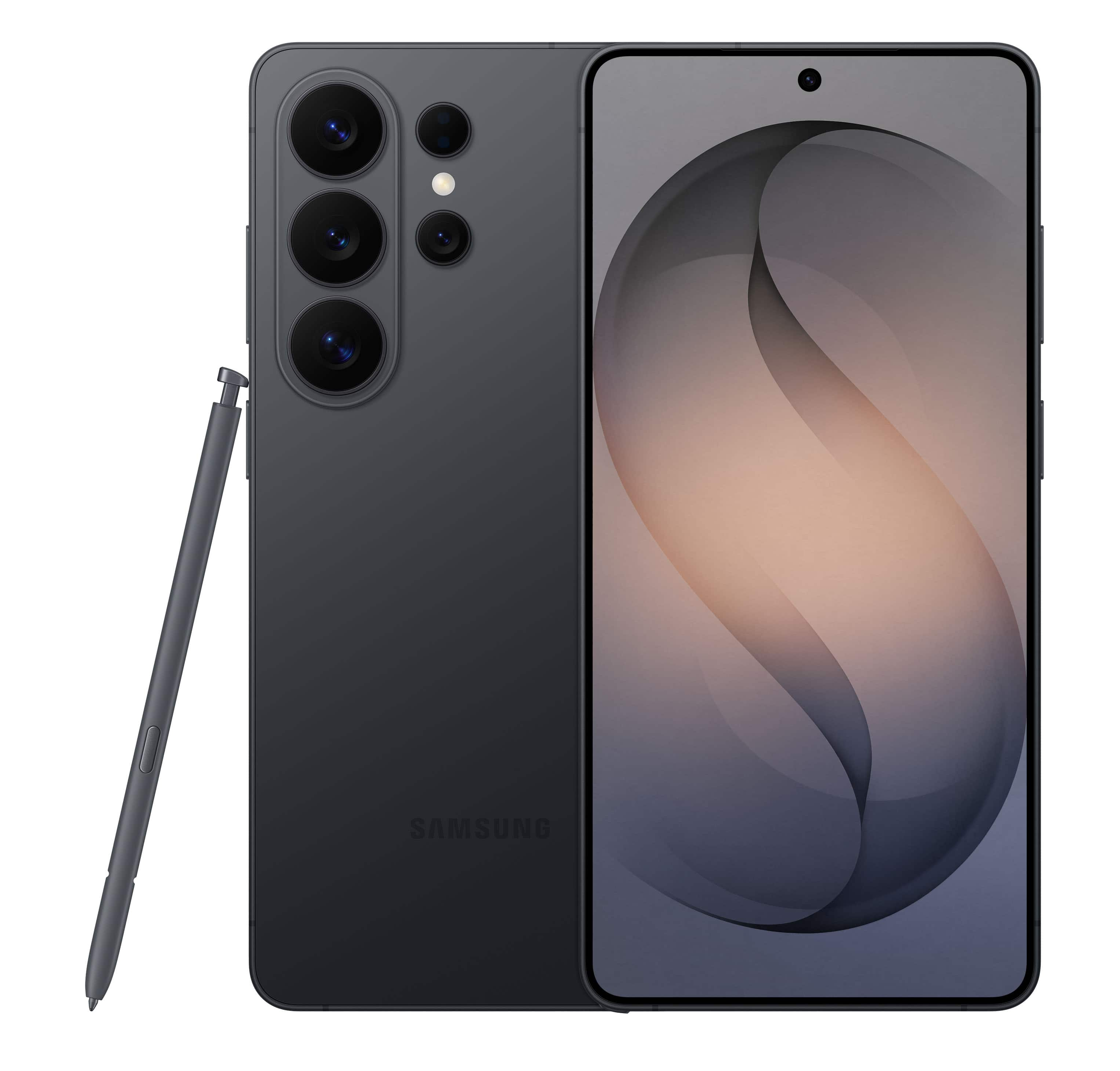
The Samsung Galaxy S26 Ultra is the first consumer phone with a built-in privacy filter (although some would say that older TN displays were unintentionally private). It's also a great choice for those who want the Snapdragon 8 Elite Gen 5 and some of the best cameras in the same phone.
The main camera can shoot 200MP photos, while the ultrawide and 5x telephoto cameras are good for 50MP, and LiDAR helps with auto-focus. Only the front camera and 3x telephoto camera lag behind at 12MP and 10MP, respectively. The included S Pen can help with photo editing on the go.
The 6.9-inch, 1440p display offers a 120Hz refresh rate. The battery isn't the biggest at 5,000mAh, but it can be charged at 60W. Like the iPhone Pro, the Galaxy Ultra 25's titanium frame has been replaced with aluminum.
Launched at $1,300 with 256GB of storage and 12GB of RAM (only the 1TB version has 16GB), the Galaxy S26 Ultra can now be had for less than $1,200 – not even a $100 premium over the severely outclassed Galaxy S26+.
The Best ePaper Phone
Bigme Hibreak Dual | Mudita Kompakt

Until recently, if you wanted to remain available on a camping trip lasting several days, your main option was an outdated and limited feature phone. Now, you can also opt for a phone with an efficient e-paper display. These phones remain perfectly usable in direct sunlight, and utilize front light to work in the dark.
The Bigme Hibreak Dual replaces the Bigme Hibreak Pro as our top recommendation, less for the smartwatch-like, LCD display on the rear and more for the upgraded 53fps main display.
It is a fully modern smartphone, with Android 14 and 5G support. The 6.1-inch, 824p display may not be ideal for watching video, but for reading it's arguably better than any other. Combined with a 4,500mAh battery, it's built to last for days between charges.

While it's not designed as a media consumption device, the Hibreak Dual can still shoot color photos and videos with its 20MP rear camera and 5MP front camera. It includes two SIM card slots, and unusually, an infrared sensor, so it can double as a remote control. The main thing missing is an official IP rating.
The Dual starts at $389 with a monochrome display, 8GB of RAM and 128GB of storage. For $60, you can increase that to 12GB of RAM and 256GB of storage. For another $20 you can get a color screen, but we only recommend it if you absolutely need color, as the color filter hurts the display's brightness and sharpness. Lastly, for $40, you can add a case and a stylus.
Mudita Kompakt
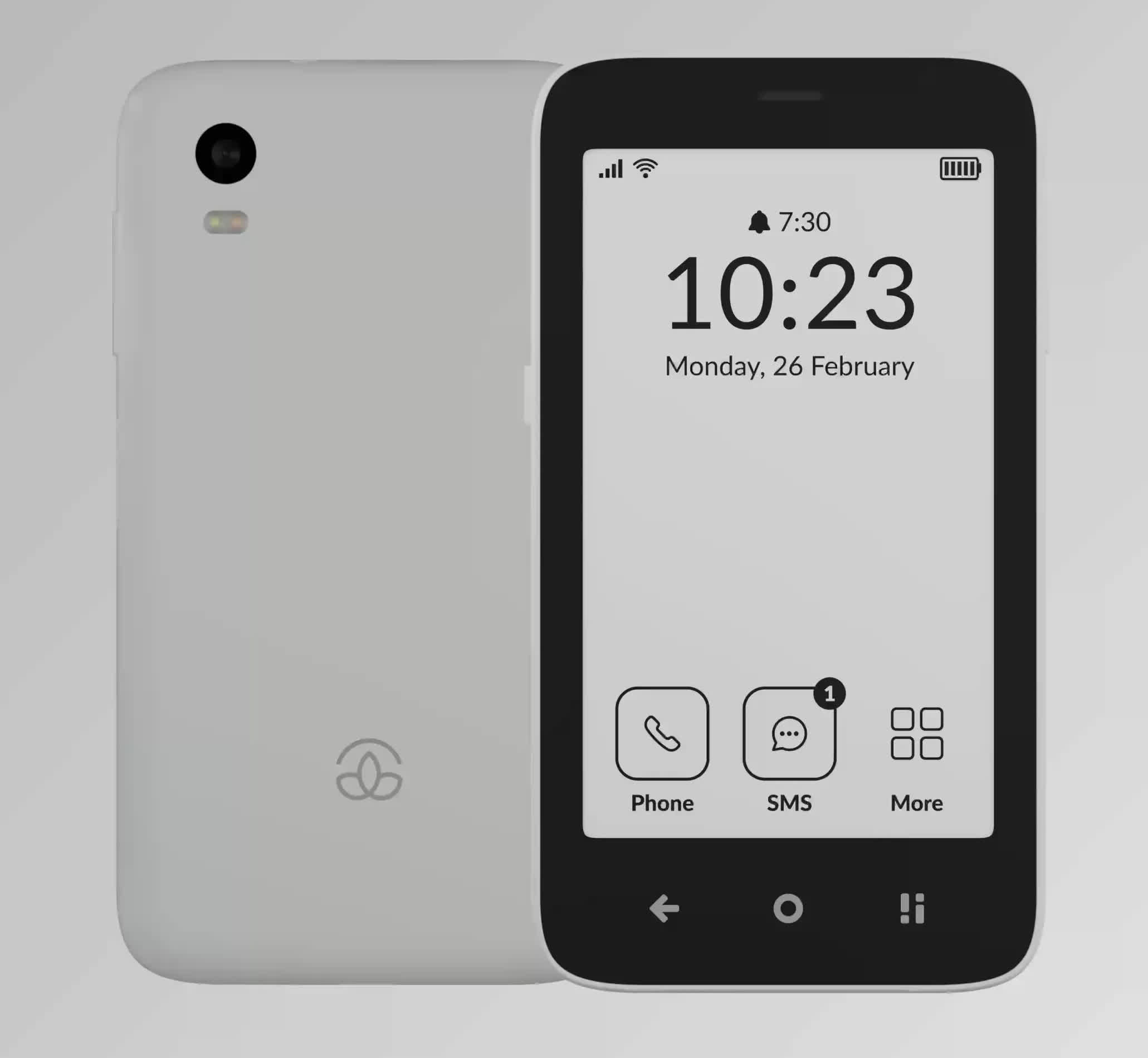
If you don't want a fully featured smartphone, the Mudita Kompakt offers a de-Googled version of Android, with 13 apps optimized for its monochrome display (yes, including chess).
It doesn't support 5G and lacks a front-facing camera to accompany the 8MP one on the back. The smaller 4.3-inch, 480p screen helps balance out the modest 3,300mAh battery.
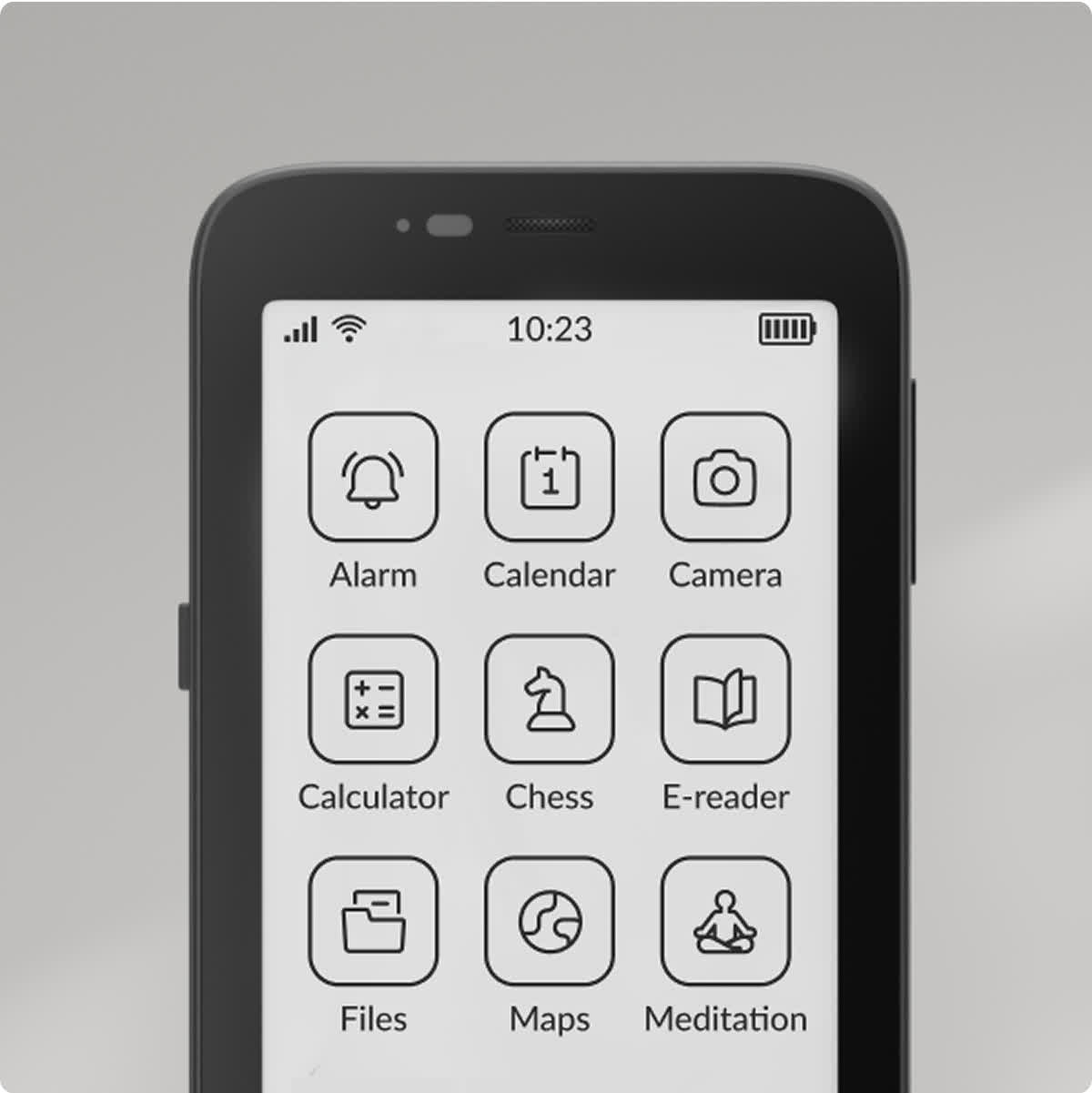
Due to its custom software, the Kompakt costs about as much as some configurations of the Hibreak Dual. It only includes 3GB of RAM and 32GB of storage but does offer a microSD card slot and a headphone jack.
If you're buying a phone because you want just a phone, it may be your best option.