In a nutshell: Although global temperatures continue to rise, Arctic sea ice hasn't declined as quickly as models predicted. Scientists warn that this temporary slowdown likely won't change the long-term trend of ice loss, underscoring the persistent risks to the planet and future generations.
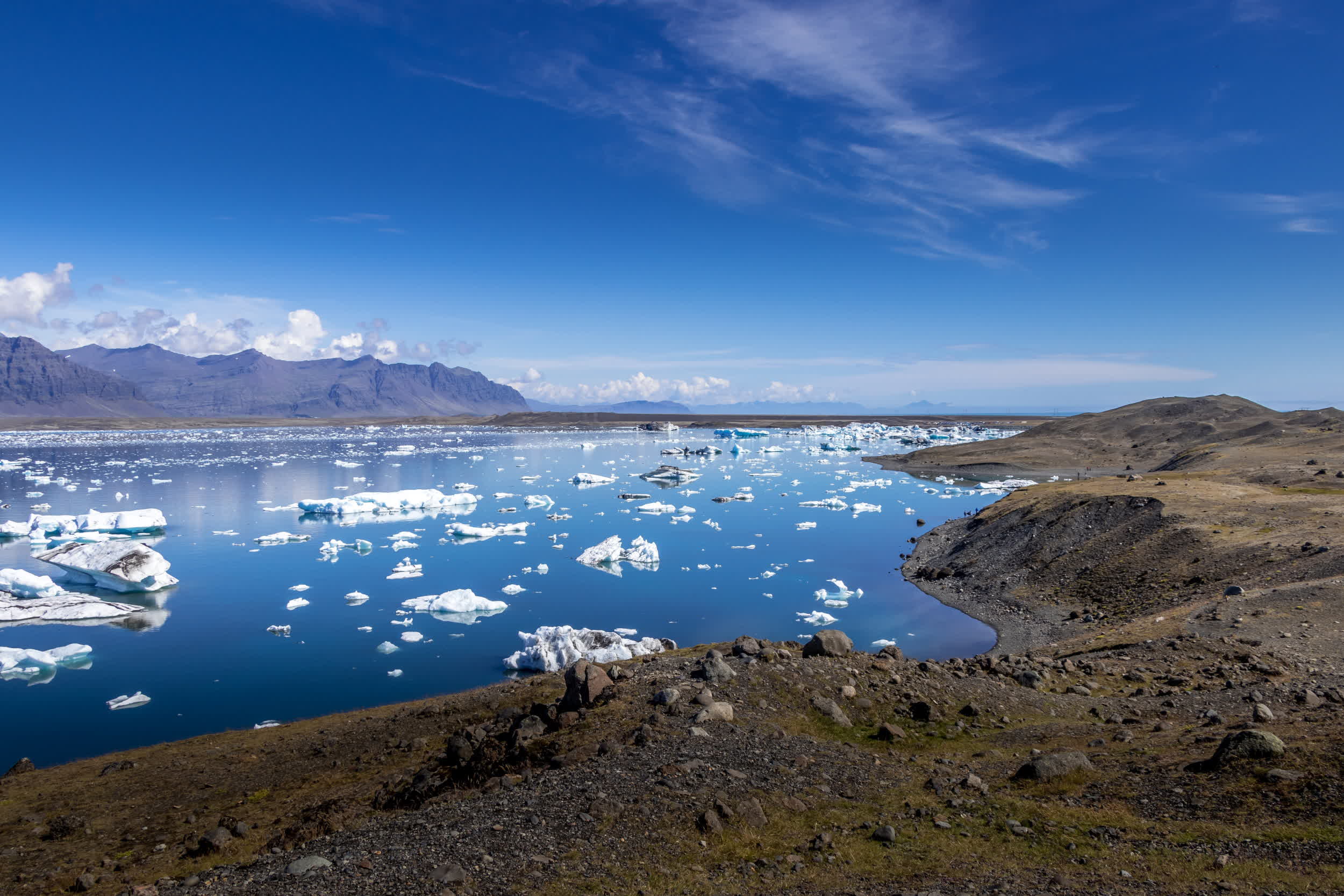
A new study highlights a minimal decline in Arctic sea ice, noting that losses have slowed significantly over the past two decades. Researchers report a "robust" pause across multiple data sets, metrics, and seasons. While notable, the trend isn't unusual and could "plausibly" persist for the next five to ten years.
Researchers attribute the pause in ice loss to natural variations in ocean currents, which can limit the Arctic's melting phase. Fluctuations in Atlantic and Pacific currents affect how much warm water enters the Arctic Ocean, which experiences regular seasonal cycles. Ice melts during spring and summer and rebounds in fall and winter.
These natural variations will not significantly alter the eventual decline of the Arctic ice pack. Climate change and global warming are "unequivocally real," the researchers warn, and the Arctic Ocean is likely to experience its first ice-free summer within this century.
The study analyzed two distinct Arctic ice data sets spanning 1979 to 2024. Researchers examined ice levels for every month of each year and identified the slowdown in ice loss. They then compared the findings with "thousands" of climate model runs, confirming that the event is not unprecedented.
Ice loss slowdowns typically occur only once or twice per century. However, all simulated models indicate that the melting phase will accelerate again after the pause. Long-term trends show that, between 1979 and 2024, every ton of CO2 emitted into the atmosphere caused 2.5 square meters of ice loss in September.
To put it simply, a Day After Tomorrow scenario is unlikely anytime soon, but preparation remains crucial. Data show Arctic ice thins by 0.6cm each year. Although the rate of surface warming has slowed at times, excess heat continues accumulating in the atmosphere, driving global temperatures higher.
"It is good to explain to people that the slowdown is happening, else they are going to hear it from someone who is trying to use it in bad faith as a way to undermine our very solid understanding of what's happening with climate change," Northumbria University Professor Andrew Shepherd said about the study.
Arctic ice melt is slowing down, but climate change could soon come back biting


