Ford learned the hard way that AI can't replace experienced engineers

Skye Jacobs

Posts: 1,979   +58
Staff
The takeaway: Ford's push to modernize its engineering and production systems with artificial intelligence did not initially deliver the gains the company expected. Instead, it exposed a gap that technology alone could not fill: the loss of hard-earned engineering judgment built over decades.
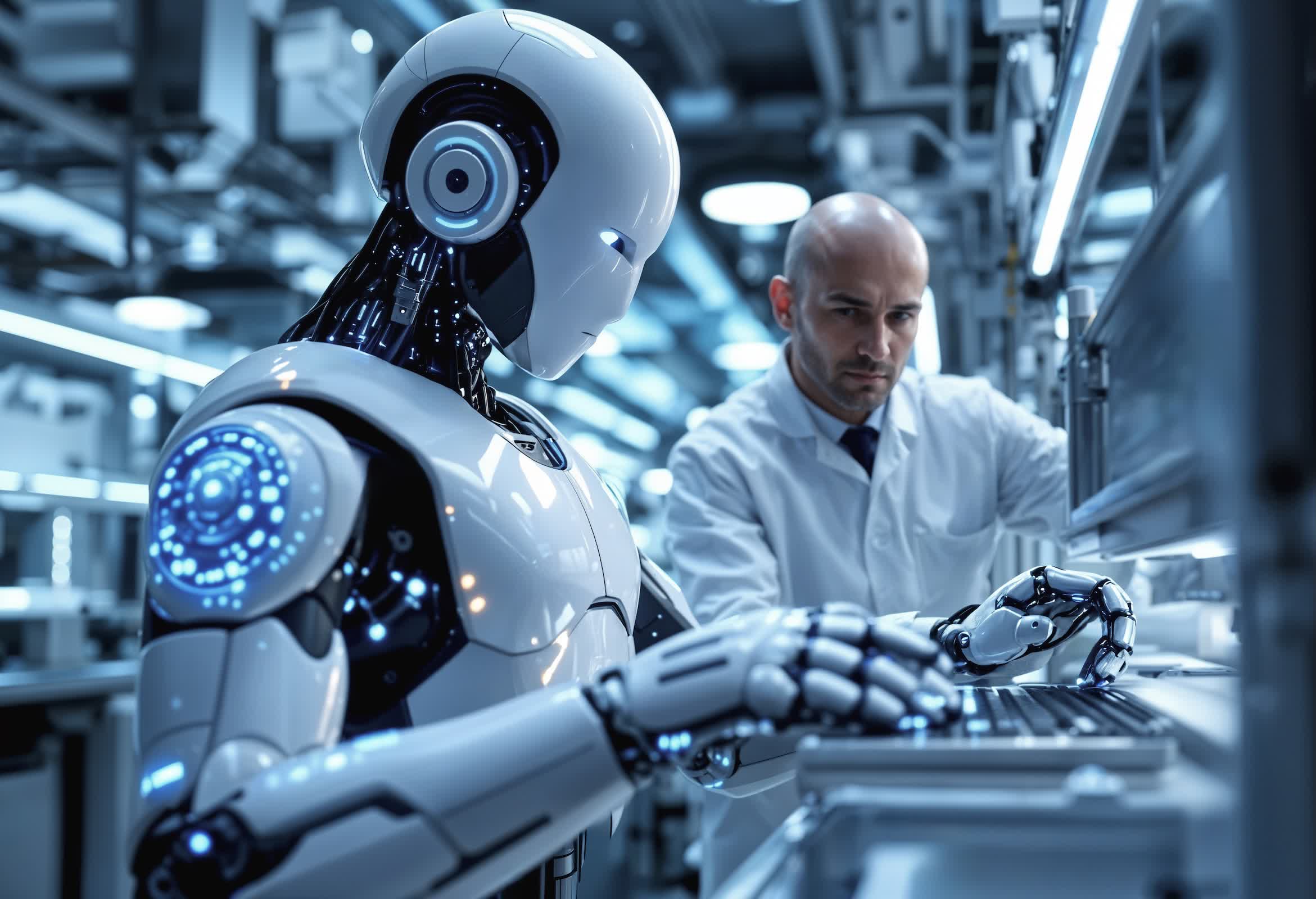
It is a shift that comes as Ford returns to the top of J.D. Power's initial quality rankings among mainstream brands. The improvement reflects changes not only in its processes but also in how the company uses AI – and where it draws the line between automation and human expertise.

In recent years, Ford expanded its use of AI in design and manufacturing, leaning on automated systems to speed decisions and simplify development. But those systems proved less resilient than anticipated, particularly when fed incomplete or insufficiently nuanced data.

"Mistakenly, we thought that by just introducing artificial intelligence and adjusting the design requirements that we had, that that would produce a high-quality product," said Charles Poon, VP of vehicle hardware engineering, in a briefing this week with reporters (via The Verge).

The problem, according to Ford executives, was not simply technical. As experienced engineers left the company, much of their institutional knowledge – often undocumented and built through repeated product cycles – never made it into the datasets training those AI systems. That left gaps in how issues were identified and prevented.

To address that, Ford brought back and promoted more than 350 seasoned engineers. Their role extends beyond mentorship. They are now actively shaping how data is collected, interpreted, and fed into the company's AI models, effectively rebuilding the foundation on which those systems depend.

"That's where some of our most experienced engineers have had experience solving and identifying those problems before they creep into the system," Poon said.

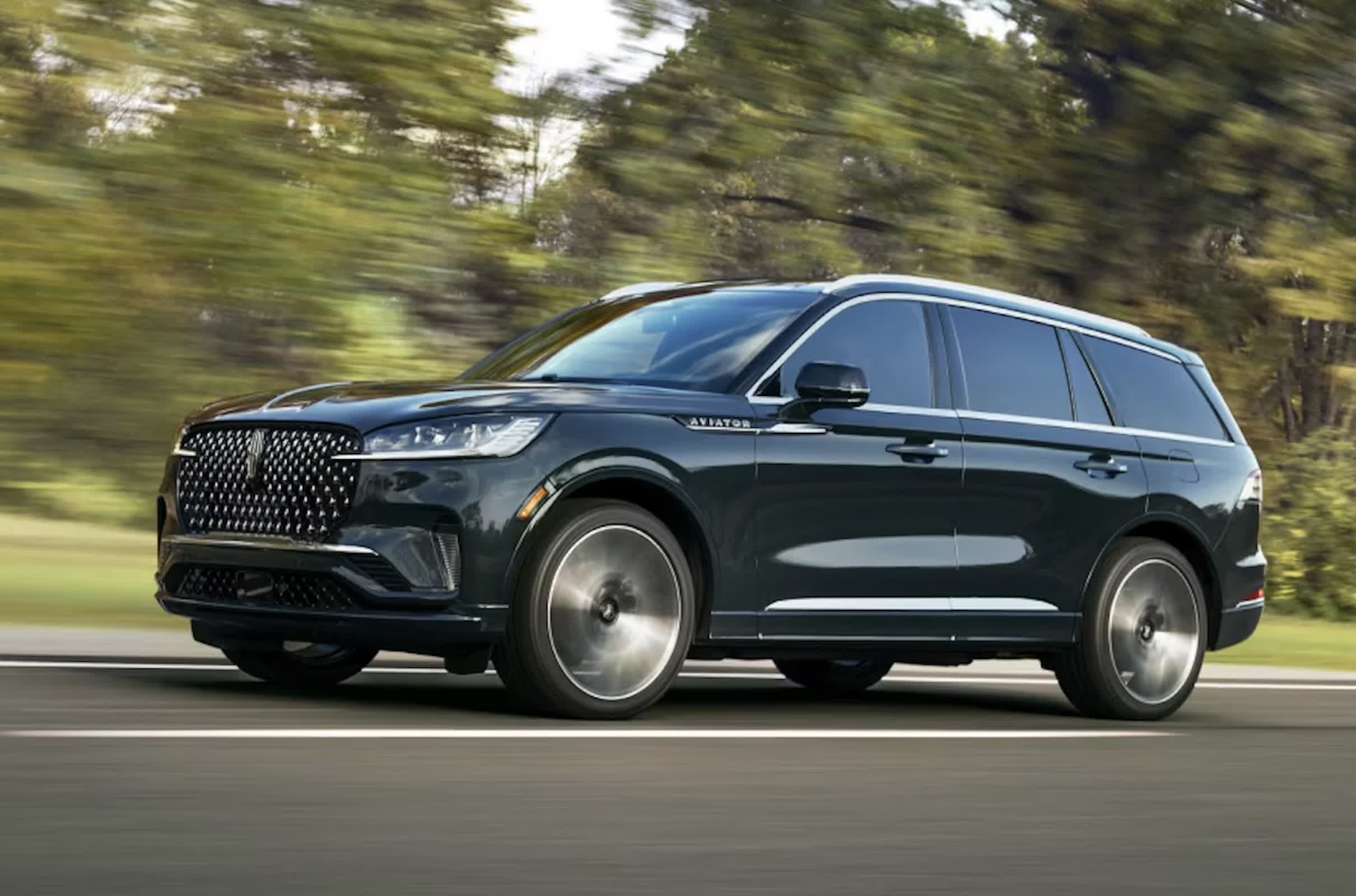
Ford has faced declining quality ratings in recent years and currently leads the industry in recalls. High-profile vehicle launches, including the Explorer and Aviator, revealed execution challenges, while pandemic-era supply chain disruptions added further strain.
Executives say those issues were compounded by structural inefficiencies. Different teams – spanning software, hardware, manufacturing, and supply chain – often worked in isolation. That fragmentation reinforced a reactive approach to quality, where defects were identified late and corrected under pressure.

"We're moving from that find-and-fix mentality to preventing issues before they occur," said COO Kumar Galhotra. "We're focused on enablers and early indicators versus outputs. Stop admiring the problem and start solving it."

A key part of that shift involves integrating software development practices more tightly with traditional automotive engineering. In the past, Ford frequently discovered software defects late in the development cycle. At the same time, it could not adopt the rapid-release mindset common in consumer tech, where issues are often resolved after deployment. That's because vehicles operate under different constraints – software must function correctly from the outset, given the safety implications.

To close that gap, Ford established a dedicated 40-person software quality assurance team focused entirely on early-stage validation and defect prevention.

AI still plays a central role at Ford, but the company is using it within clearer limits. The company has added more than 100,000 AI-driven tests that target edge cases and push the system under a wide range of conditions.

The tests run in an automated system that lets engineers quickly recheck software after changes, even late in development. The aim is to catch any new defects without slowing down the process.

"Because these tests are highly automated, even if we have a late change in the software, we can rapidly run back through the entire validation process to guarantee it works perfectly well before it reaches the customer," Poon said. "We've established software reliability as its own rigorous disciplines with strict metrics."

Ford's experience points to a wider challenge for companies using AI in complex industrial systems. Automation can speed up work and broaden testing, but it still depends on solid data and the people who know how to use it.

In Ford's case, the plan is to rely on a more balanced setup in which AI supports engineers rather than replacing them. It now wants its systems to reflect not only computing power, but also the practical knowledge it has built up over years of making vehicles.

Permalink to story:

 
I pretty much called this across the board. If the corporations replacing workforce do not have a competent chief software engineer on the board itself you have these windows of blind spots from upper management with their half baked ideas that they want driving growth/ efficiencies. Initial wave was all about short term gains now comes the aftershock!
 
AI is a tool that many, admittedly, know nothing about the specific details of how it works - including the developers of AI itself.

Like any other tool humanity has developed, those using it will have to learn how to use it properly if it is to live up to its marketing promise.
 
Fit reality, not live up to promises.
Thanks for stating that clearly, as it is obvious that at least some types of AI will invent their own reality.
The promises are total BS. If there's one type that lies more extensively than a politician, it's business salesmen/CEOs.
I've no disagreement with this. If their is an AI bust, it will be because of its current marketing shtick, IMO.
 
So Ford rehired the engineers as long as they document everything they work on to later feed that information to A.I and fire them again.

That's pretty much what it comes down to.
Doesn't matter at all, replicating something and developing something are 2 different things.
 
The rank and file have known this for years. The problem is that upper management and CEO's are no longer promoted from within (unless you count the upper management, which is equally as clueless). Ford was in their groove when the CEO at least came from Boeing, who understood manufacturing. After that it was all downhill. I was in a program to identify warranty concerns quickly. The engineers told us how they let go a good portion of the established engineers were let go because they weren't hungry, they didn't strive to climb the ladder. They were content at there jobs and they were damn good at them. The early 90's under that group almost sunk the company completely. It doesn't surprise me that Farley, being a marketing guy, jumped all over this just like he went all in on EV's and canceled every single car in the company but one (the Mustang, and it's no longer a custom performance car, it's built on the Explorer SUV platform.

As with most of these CEOs, the problem can be traced to the change of goals from customer satisfaction ("the customer is always right") to what have you done for me lately ("maximize shareholder value"). Companies make money selling goods and services to people and other companies, not satisfy the shareholders. Look no further then Intel.
 
My dad sold Ford's for over 33 years. I grew up with Ford's. My best memory is when I was around 8-9 years old, after dinner my dad said lets go watch a basketball game in the neighboring town about 20 miles away. (speed limit 70mph, hilly curvy road). Walk outside and there set a 1968 Boss Mustang! I still remember that clock setting above the glove box. I've driven nothing but Mustangs for the past 40+ years. Now, that being said, if Ford wants to do better, HIRE CAR GUYS to run the d*mn place and not the SUITS that only care about the @#$)%@ profits! Also, NOT EVERYONE wants a tank sized vehicle called an SUV or pickup truck. In the USA, the only car Ford makes is the Mustang. They've killed off everything else because the entire U.S. auto industry has convinced everyone you HAVE to have an oversized pickup or SUV! They did the same in the 80's with the mini vans, and the 70's with the station wagon!
BUILD quality cars, at a reasonable price and you'll sell a ton of them! One of these days, you know they will have the cheap Chinese cars coming into America, just like during the "oil crisis" when the Japanese & Germans really started importing vehicles.
 
Sorry I would have never gone back to them so matter what they offered unless they also sacked the entire Board and those responsible for implementing this insanity in the first place.
 
My dad sold Ford's for over 33 years. I grew up with Ford's. My best memory is when I was around 8-9 years old, after dinner my dad said lets go watch a basketball game in the neighboring town about 20 miles away. (speed limit 70mph, hilly curvy road). Walk outside and there set a 1968 Boss Mustang! I still remember that clock setting above the glove box. I've driven nothing but Mustangs for the past 40+ years. Now, that being said, if Ford wants to do better, HIRE CAR GUYS to run the d*mn place and not the SUITS that only care about the @#$)%@ profits! Also, NOT EVERYONE wants a tank sized vehicle called an SUV or pickup truck. In the USA, the only car Ford makes is the Mustang. They've killed off everything else because the entire U.S. auto industry has convinced everyone you HAVE to have an oversized pickup or SUV! They did the same in the 80's with the mini vans, and the 70's with the station wagon!
BUILD quality cars, at a reasonable price and you'll sell a ton of them! One of these days, you know they will have the cheap Chinese cars coming into America, just like during the "oil crisis" when the Japanese & Germans really started importing vehicles.
The more huge trucks and SUVs are on the roads, the safer you are driving one as well. Do you really trust those texting, browsing, talking on the phone "ladies" going full speed in their giant SUV that could turn a small car like Ford focus into a pile of metal with your pieces inside?
Btw, both of my parents got in fairly serious accidents. Both time it was a woman not paying attention or not paying enough of it. When my mom and my brother were hit from behin, the damage was serious enough to get a reimbursement.
If you follow the news, more and more car manufacturers want to focus on SUVs because those sell!
And the bigger, the better.
Your safety is worthy of a truck or SUV price.
But wait, there is more. Tens of thousands of Indian gentlemen who could not give a damn about your life driving a giant commercial truck using fake license which they got because some people value money over human lives.
Choose life--buy a truck should be Chevi's or Ford's motto because it is true.
 
I think all of us can agree that its NOT about where the product its from, but all about HOW its made. I don't care if a product came from the abyss, as long as the company is known for there reliable solid product, I'm buying it! This all "Made in America" thing, doesn't mean anything to me. It's still susceptible to all the same mistakes and defects that typically will come with any product because its made by humans.
 
Back