Former AMD and Intel architect Raja Koduri's startup unveils RISC-V model to cut chip development costs by 90%

Skye Jacobs

Posts: 2,010   +58
Staff
In brief: A new Silicon Valley startup is trying to change how companies use GPUs for artificial intelligence and graphics. Oxmiq Labs, founded by well-known GPU engineer Raja Koduri, wants to make it easier and cheaper for other companies to access powerful computing for tasks like text, video, and 3D applications – both in big data centers and small edge devices. Instead of building the hardware themselves, Oxmiq is offering a model where they create the core technology and software, then license it to others who want to build their own products.
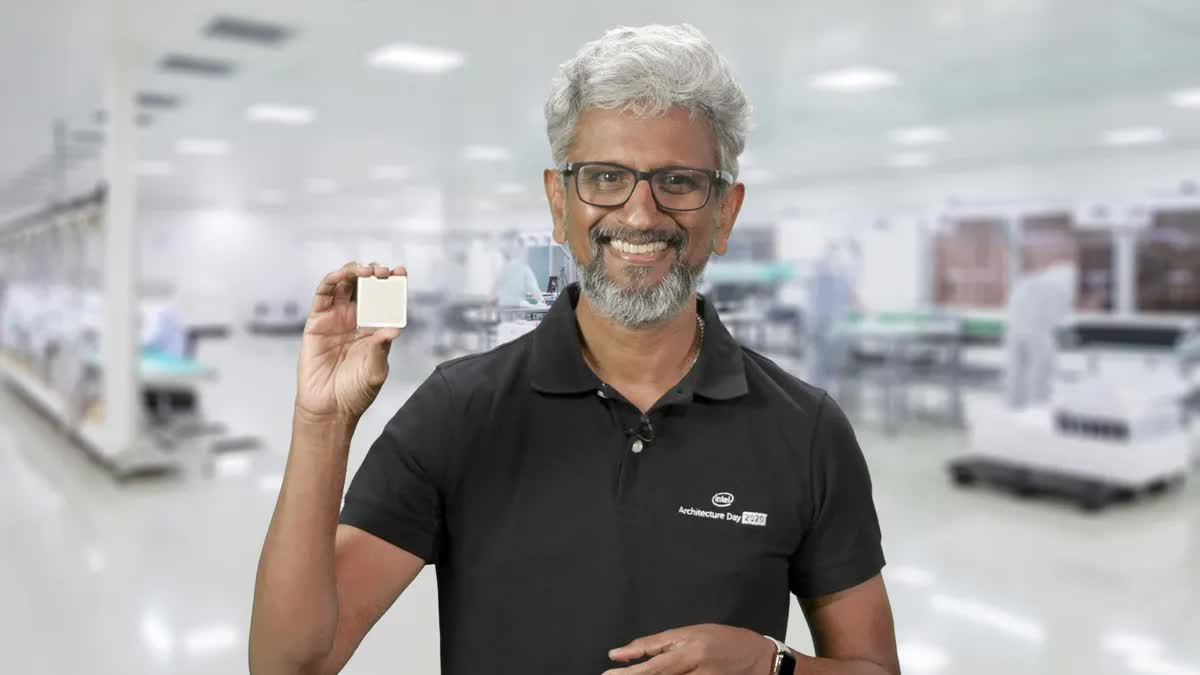
Raja Koduri is known for his previous work at AMD, Intel, and Apple, among other firms. With Oxmiq Labs, he and his experienced team hope to lower the barrier for getting advanced chip technology into more hands around the world.

Usually, developing graphics chips means spending a lot of money on manufacturing and design, which keeps most companies out of the business. Oxmiq's approach is to focus on intellectual property and software that others can license, cutting out the need for expensive factories and complicated production.

The company and its backers, including big names like MediaTek, believe this model could cut chip development costs by up to 90 percent.

The main technology Oxmiq offers is called OxCore. OxCore uses the open-source RISC-V instruction set and can be set up in different ways, depending on what a customer needs. It can be used for everything from small edge devices to large AI training systems.
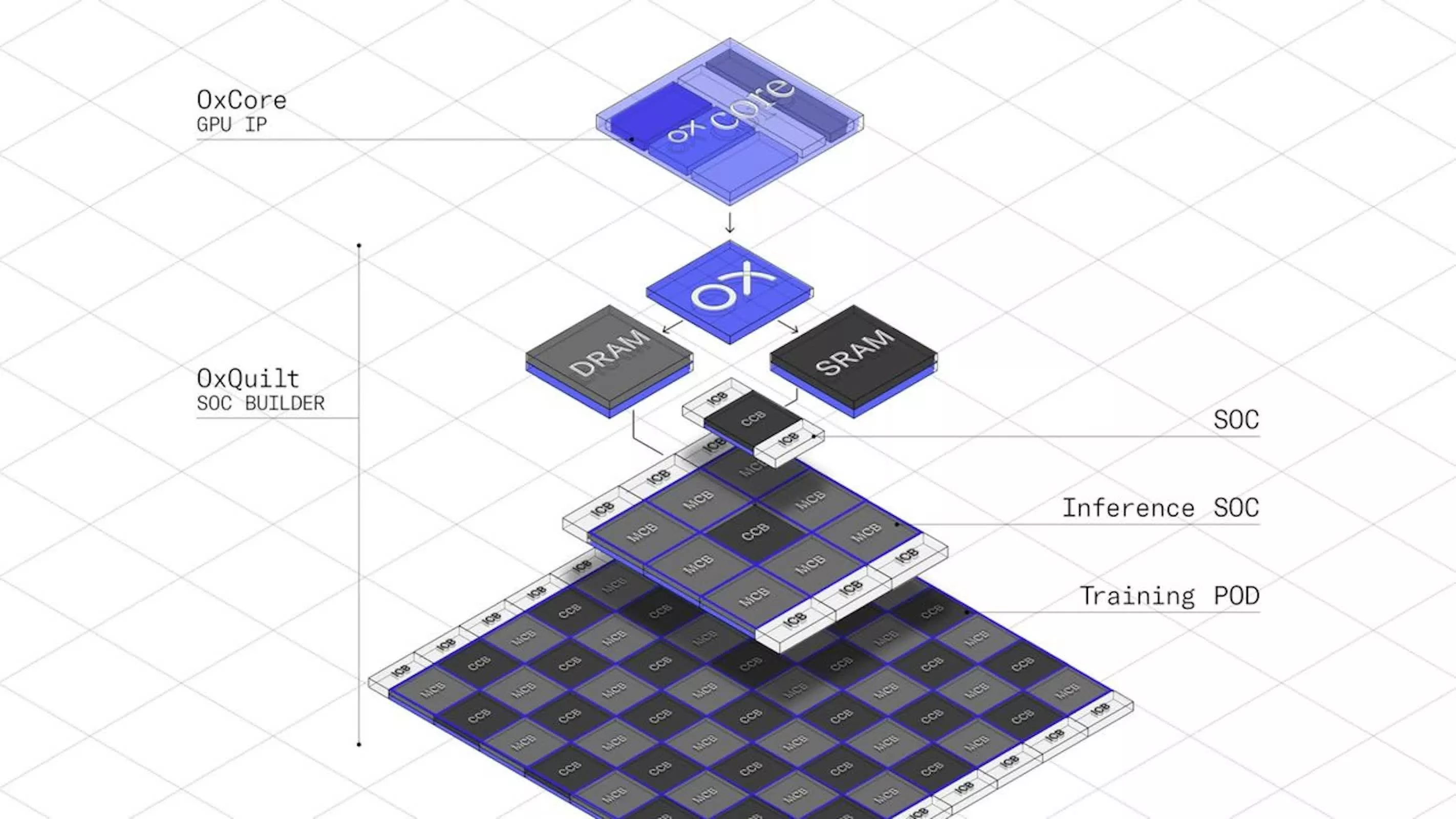
OxQuilt, another part of Oxmiq's offering, lets companies put together their own system-on-chip designs by combining different compute, memory, and connection modules. This flexible setup means companies can quickly build and scale their solutions without starting from scratch every time.

Another focus for Oxmiq is its software. The OXCapsule platform hides the technical details of different hardware types, making it easier to run AI and graphics programs on a wide range of systems.

One key part of this is OXPython, special software that lets developers run Python-based CUDA applications – usually made for Nvidia GPUs – on other chips with no changes to their code. This will first be used on AI accelerators made by Tenstorrent, a company Oxmiq is partnering with, aiming to give developers more options and reduce reliance on just one hardware vendor.
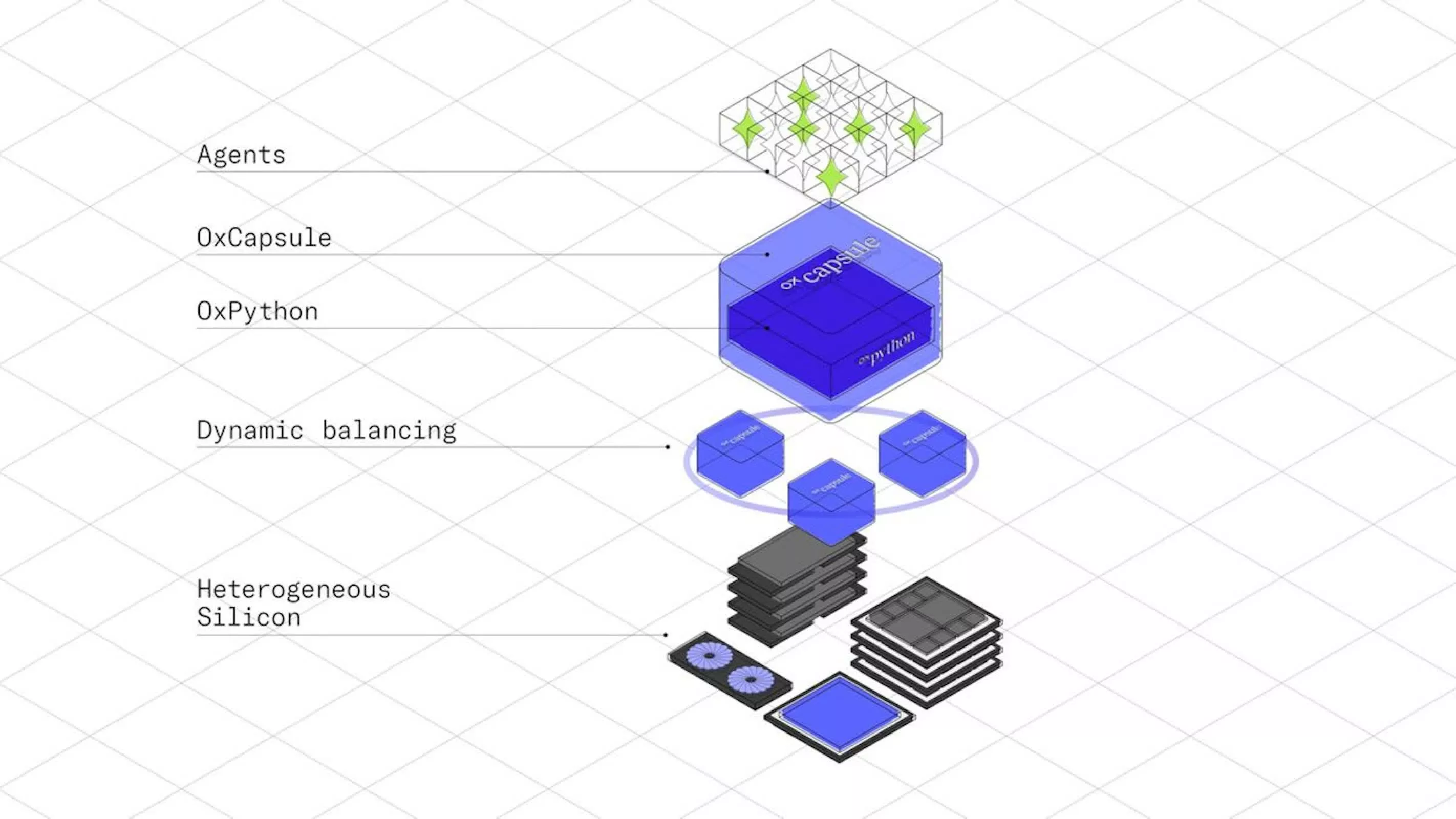
Oxmiq's technology includes in-silicon "nano-agents" and in-memory computing, which they say will help make processing faster and more efficient. The company says its architecture can work for anything from simple robots to massive data centers, offering flexibility for a wide range of customers.

Koduri and his team are also focusing on India. They want to help chipmakers and AI companies in the country by making it easier and more affordable to access advanced GPU technology. Partnerships with local firms, such as Mihira Visual Labs, are part of this effort to support India's push into new technology fields.

Oxmiq has collected $20 million in seed funding from MediaTek and other investors. The company hasn't said exactly how much it's worth, but the funding and support show that big names are interested. Still, licensing chip technology is a tough business, and Oxmiq will have to prove it can attract both customers and developers to its new way of working.

Unlike usual GPU companies, such as Nvidia or AMD, Oxmiq does not build full consumer GPUs. Instead, it focuses on providing the core technology, leaving things like display outputs and finished graphics pipelines for its customers to build.

Even with the risks, Oxmiq's timing could be favorable. As the need for AI and complex graphics grows, its plan to make advanced computing simpler and more accessible might help more companies enter the field. For now, the industry is watching to see whether Oxmiq's unusual approach can create competition in a business usually ruled by the same old players.

Permalink to story:

 
Can't blame the guy for trying to work that sweet sweet venture capital money. Worked a little AI wording in there, worked some scalability in there, worked some "nano" in there too.

Man's got a family to feed, let him cook.

 
Ok, I don't get it. Where did this idea come from that you can take a low power core design (ARM, RISCV), throw more power and ores at it, and it will outclass everything on the planet? The IP that makes thousands of cores work together seamlessly does not grow on trees. If it did, we'd have far more graphics cards to choose from other than AMD and Nvidia. If AI could be trained on things other than GPUs, Nvidia wouldn't be a $4 trillion company. If you want inference, GPUs still seem to be the front runner, with CPUs and NPUs in the mix as well as ASICS that are being worked on.

Who has the other IP? RISCV isn't it. It could be the another control processor for Nvidia, but you don't need Raja for that.
 
Did people even read what he is trying to do. He's not making any product, he's making IP for RISC-V, so chip makers to help leverage lower chip design costs. RISC-V will be huge so anything that helps accelerate it's evolution is welcome. Will he succeed, who knows, but he's trying something that coukld be crucial.
 
"... One key part of this is OXPython, special software that lets developers run Python-based CUDA applications – usually made for Nvidia GPUs – on other chips with no changes to their code. ..."

I feel a cease & desist from Nvidia incoming. Perhaps not (only) against Oxmiq, but certainly against any former Nvidia customer that dares to use OXPython to run CUDA code.

Now, MediaTek and others have invested what is for them pocket change to make sure they don't miss out if it is successful. But they all probably think "wait and see", given Koduri's track record. If it becomes successful and a large part of that is because of Koduri, he may have found a role that suits him and get credit again. If it fails, or if he's not the key factor, his position in the industry will further decline.
 
How does this guy fail into more trust?
People trust Raja because he’s a visionary. Not everything he’s touched has worked out, but he’s pushed boundaries in GPUs and compute that others weren’t even considering. That kind of risk taking always comes with hits and misses, but at least he’s out there trying to push the envelope instead of playing it safe or laying dormant. Tech needs people who are willing to take risks, even if not everything lands.
 
Who would give this guy $1. He has left nothing but failures in his wake. It makes me wonder what he really had to do with "his successes" earlier in his career. His AMD and Intel stints were unmitigated disasters with a lot of pretty charts, bluster and fantastical claims to be followed by lackluster real-world performance.
 
He may be visionary, but both at AMD and at Intel he proved a poor manager, imo. So euther they have someone who does the managing part to get things done in time and without overpromising, or chances are that things will evolve similar to how it went with AMD and Intel.
 
He may be visionary, but both at AMD and at Intel he proved a poor manager, imo. So euther they have someone who does the managing part to get things done in time and without overpromising, or chances are that things will evolve similar to how it went with AMD and Intel.
There are many who can paint a pretty picture with words, but not with the actual brushes.
 
This is the guy who screwed up AMD video chips and helped screwup Intel's chip, I won't trust him with the design of a media chip.
 
This is the guy who screwed up AMD video chips and helped screwup Intel's chip, I won't trust him with the design of a media chip.
That’s a bit of an oversimplification. Raja took on some of the toughest, most complex projects in the industry…..stuff most people wouldn’t even attempt. Not everything hit the mark, but he pushed architectures forward and brought in ideas others now build on.
 
Back