
Forward-looking: The PC has long had a reputation as an expensive machine. According to Gartner, the barrier to entry will be even higher by 2028. That's the year that the research firm says the sub-$500 entry-level PC segment will have completely disappeared, another victim of the AI-driven memory crisis.
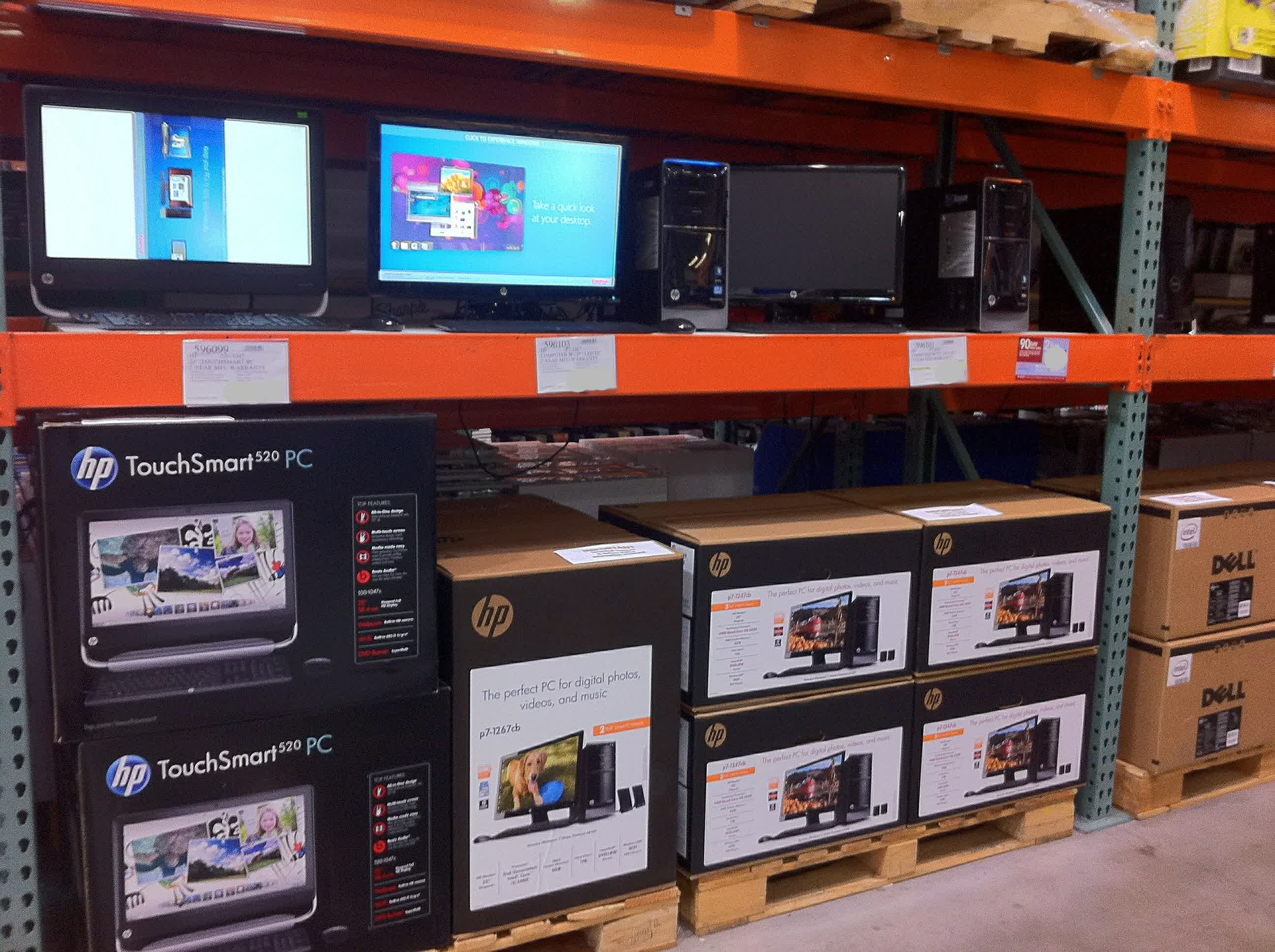
Writing in a press statement, Gartner warns that soaring memory costs are projected to cause a 10.4% worldwide decline in PC shipments while smartphone shipments are expected to drop by 8.4% in 2026.
The company also estimates there will be a 130% surge in combined DRAM and solid-state drive (SSD) prices by the end of 2026, increasing PC prices by 17% and smartphone prices by 13% compared to 2025 levels.
These sorts of reports have become depressingly familiar in an age where the impact of the memory crisis is felt daily as manufacturers prioritize the lucrative AI market.
But something we haven't seen before is Gartner's warning that the current situation is expected to wipe out an entire product category. In this case, it's entry-level sub-$500 PCs, which it says will disappear by 2028.

Buying a PC without a dedicated GPU for under $500 is possible these days. They're often bought by people on a budget who simply want a machine for work or education purposes, using the web on something other than a smartphone, and so on.
But with the memory crisis pushing up the BOM for almost everything with a chip in it, budget PCs are becoming more expensive all the time. Eventually, new $500 PCs are expected to go the way of Blockbuster, according to Gartner.
Gartner also writes that PC memory costs are expected to peak at 23% of the total bill-of-materials up from 16% in 2025. "This sharp increase removes vendors' ability to absorb costs, making low-margin entry-level laptops nonviable."
Ranjit Atwal, Senior Director Analyst at Gartner, predicts that another effect of this crisis will be the higher prices narrowing the range of devices available, which will cause buyers to hold on to their devices for longer, "fundamentally altering upgrade cycles."
Because of rising costs, Gartner expects PC lifetimes to increase by 15% for business buyers and 20% for consumers by the end of 2026. It warns that holding on to PCs for longer potentially means more security vulnerabilities and challenges of managing older devices.
The more recent effects of the memory crisis include Valve confirming that the Steam Deck OLED is out of stock due to the component shortages/high prices – it's also why the Steam Machine was delayed. Some companies are even offering budget laptops with 1.2TB of storage, even though 1TB of it is actually a free one-year OneDrive cloud storage trial.
Gartner says sub-$500 PCs could disappear by 2028 due to RAM crisis


