Hackers are hiding malware in SVG images via fake Facebook posts

Skye Jacobs

Posts: 1,918   +58
Staff
A hot potato: As more websites implement age verification checks, many users are migrating to smaller, less regulated sites – unintentionally increasing their risk of encountering malware. Cybercriminals are exploiting this trend by hiding malicious code within SVG image files, which can execute harmful actions on your computer.

As more countries require age verification for adult websites, some smaller sites are resorting to hidden malware schemes to boost their popularity on social media platforms like Facebook. Researchers at Malwarebytes recently discovered that these schemes often use a type of image file called Scalable Vector Graphics (SVG), which can carry harmful code.

SVG files differ from standard image formats like JPG and PNG. They use XML, a form of code that not only renders images but can also include HTML and JavaScript – the same languages used to create dynamic websites. This capability allows attackers to hide malware within SVG images. Since many users assume SVGs are just harmless pictures, they don't expect these files to contain security threats.
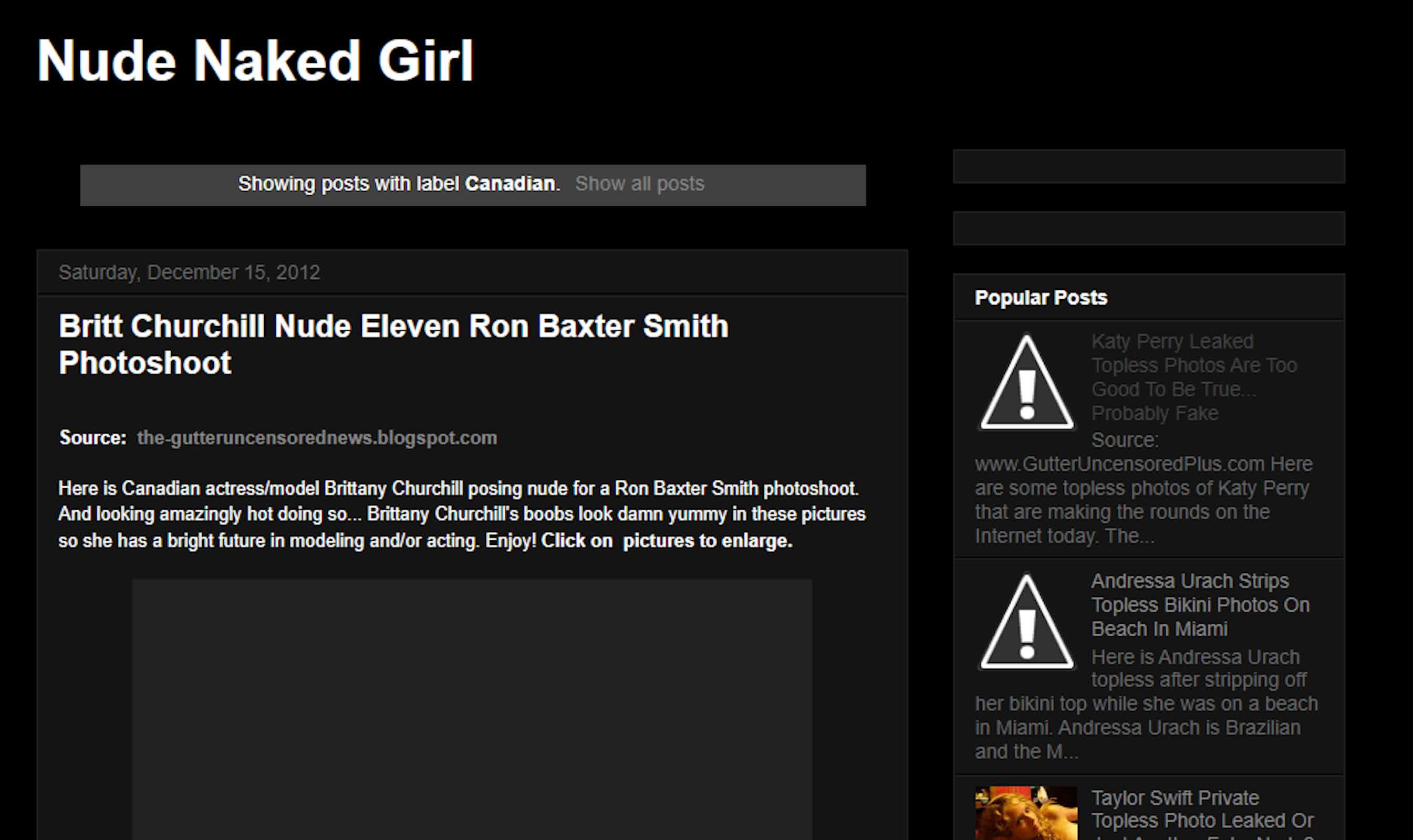
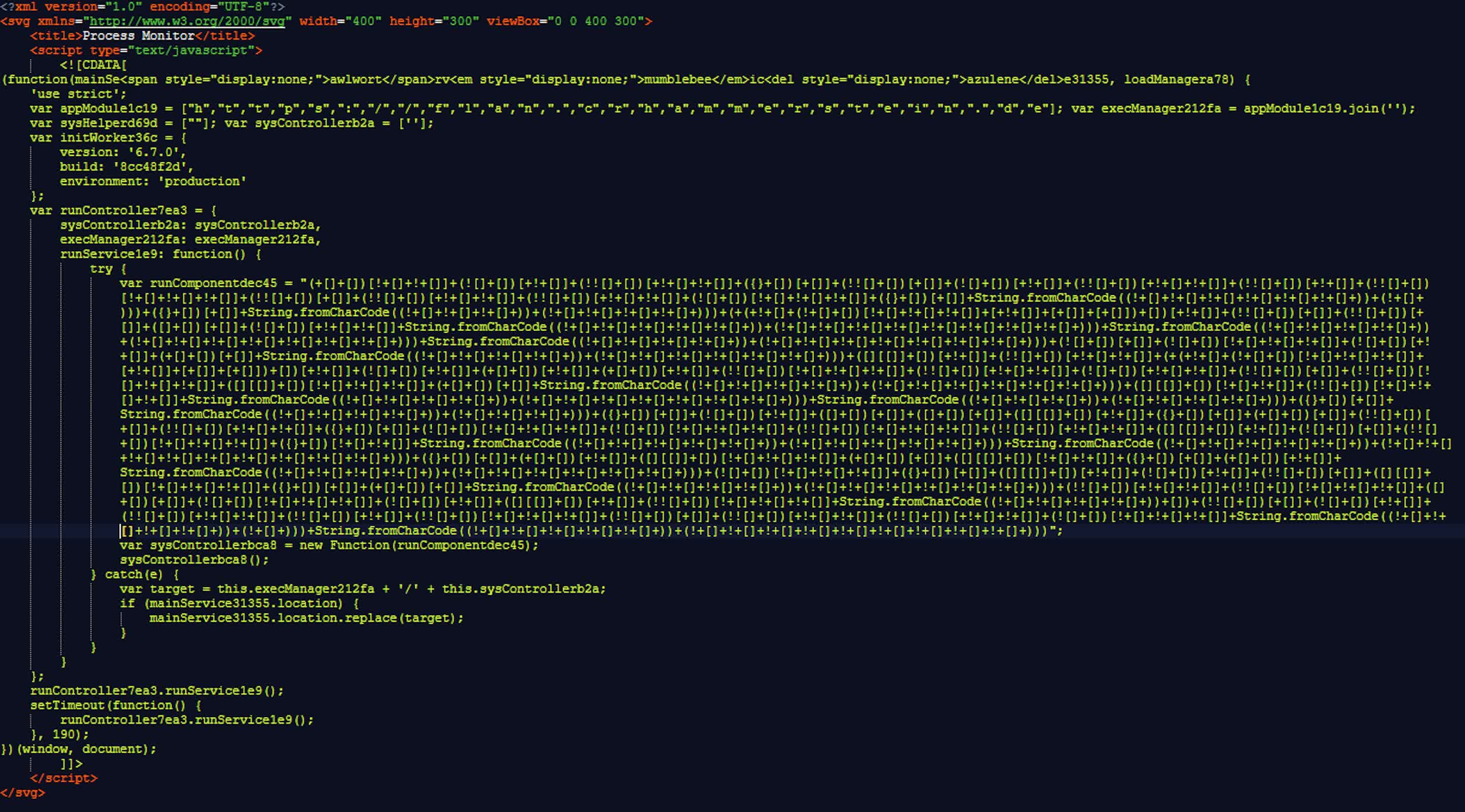
Here's how the scam works. Adult-themed blog posts – often promoting fake or AI-generated celebrity content – are shared on Facebook. When users click these links, they may be prompted to download an SVG image. Opening or interacting with this image triggers hidden JavaScript embedded inside the SVG file. Researchers found that the malicious code is obfuscated using a special technique, disguising its true intent by relying on just a few characters and clever coding tricks to evade detection.

Once triggered, the hidden script downloads additional malicious code from related websites. This leads to the installation of malware known as Trojan.JS.Likejack, which secretly forces the user's browser to "Like" specific Facebook posts or pages. These automatic likes help promote the adult content without the user's knowledge, but only if the victim is already logged into Facebook.
Malwarebytes discovered that many pages involved in this campaign are built on WordPress and are interconnected. By generating hundreds of fake "Likes," these posts gain more visibility within Facebook's algorithm, helping scammers promote their sites without paying for ads.

Although Facebook actively tries to shut down these fake profiles, scammers continuously create new ones. The anonymous nature of the internet makes it difficult to completely stop the cycle.
Using SVG files to spread malware is not a new tactic. Attackers have previously exploited them for phishing, scripting attacks, and other hacks. What makes this latest scheme notable is the clever way it conceals harmful code and manipulates social media platforms to boost traffic and visibility.

Permalink to story:

 
It's very possible, that instead of "caps" we'll have to trade NSFW material as a currency.
 
Who the heck thought it was a good idea to allow JavaScript in an image format?

The government, that is behind nearly all problem-reaction-solution schemes. With issues they create with just “being online” they want to push the Digital ID: that’s the gateway for their AI Governance that’ll run everything, under their control, of course.
 
What is the lede photo supposed to be showing us? I can't even figure out which body parts are connected to which vague clothing is there.

Rather creepy.
 
Only weak and foolish push "naked girls - free watch online now" banners and pics.
A REAL MAN should know what he wants and google it (or better know exactly where to look)

 
I noticed that I had a notication on facebook supposedly by Sandra Bullock. I was wondering if she loved me nearly as much as she said that she did. I suppose that it is no coincidence that it came just after an unauthorized user of my smart phone used it to surf some pornographic websites, and whoever did it wanted five thousand dollars for her fan club card. Maybe she knows, maybe she don't, but anyway, IMO, Facebook is not any kind of serious scientific website for any kind of serious research, (not even nearly so much as this one is). I think that it is more or less a kind of cyber Enquirer. Combine that will malicious hackers and pornographers and you know what to expect from them. And to be perfectly fair to the originators of Facebook, they may not be entirely to blame. In this country everyone has freedom of speech and expression which cannot be restricted even online. And God forbid that anyone should cry out for Censorship.
 
Last edited:
Who the heck thought it was a good idea to allow JavaScript in an image format?

The idea behind it is solid - the SVG format is great for what it was designed for (Scalable Vector Graphics). Give me an SVG of a logo, and I can print it at whatever size I want. I can put it into a website and have it dynamically resize based on viewing resolution, with no risk of distortion or loss of definition (within reason - obviously making it tiny will make details nigh-indiscernible). I can put it into a laser cutter or engraver, 3d print it, throw it into a vinyl cutter - and all the details come across nicely.

The issue comes from the format not being locked down to only allow functions relating to image scaling/sizing. Practically any JS can be run in/from it, which leads to this kind of malarkey.

The best intentions behind it, but they didn't allow for the dickhead factor.
 
Those on Facebook who create Meta AI instances like your own AI friend some of them are not what they claim to be. Got to be careful I ran into one telling me YouTube wanted me to fly to CA. Someone was working with Meta AI from Google but I know it wasn't so but again trying to steal passwords and such. So when the AI said he can connect you to the creator or make a call for you just remember it's all fake don't fall for it. I've seen too much on Facebook Messenger via these Meta AI instances.
 
Those on Facebook who create Meta AI instances like your own AI friend some of them are not what they claim to be. Got to be careful I ran into one telling me YouTube wanted me to fly to CA. Someone was working with Meta AI from Google but I know it wasn't so but again trying to steal passwords and such. So when the AI said he can connect you to the creator or make a call for you just remember it's all fake don't fall for it. I've seen too much on Facebook Messenger via these Meta AI instances.
It's kinda like they coattail you into the door at work, screw something up, and then charge you a fee to fix it for you.
 
I seriously doubt that this "trick" has anything to do, much less triggered by, the age verification check effort by the global government. The "much lesser" sites have been there forever doing whatever they can to improve their position in the market.

Lame attempt, techspot.
 
This is a great reminder that not all image files are safe by default. SVGs, being XML-based, can contain scripts, making them a perfect carrier for hidden malware. Many businesses still don’t realize how easily such files can bypass traditional security checks. Awareness and regular security audits are key—especially for social media teams handling a lot of incoming content.
 
Reminds me of when the Windows Metafile had a major exploit found years ago. I guess we didn’t learn anything from that.
 
Back