TL;DR: This experiment may not revolutionize telecommunications, but it highlights how accessible these concepts have become outside traditional research labs. Using nothing more than an iPad, a solar cell, a few inexpensive off-the-shelf components, and a bit of curiosity about the behavior of light, a teacher successfully built a working optical transmitter.
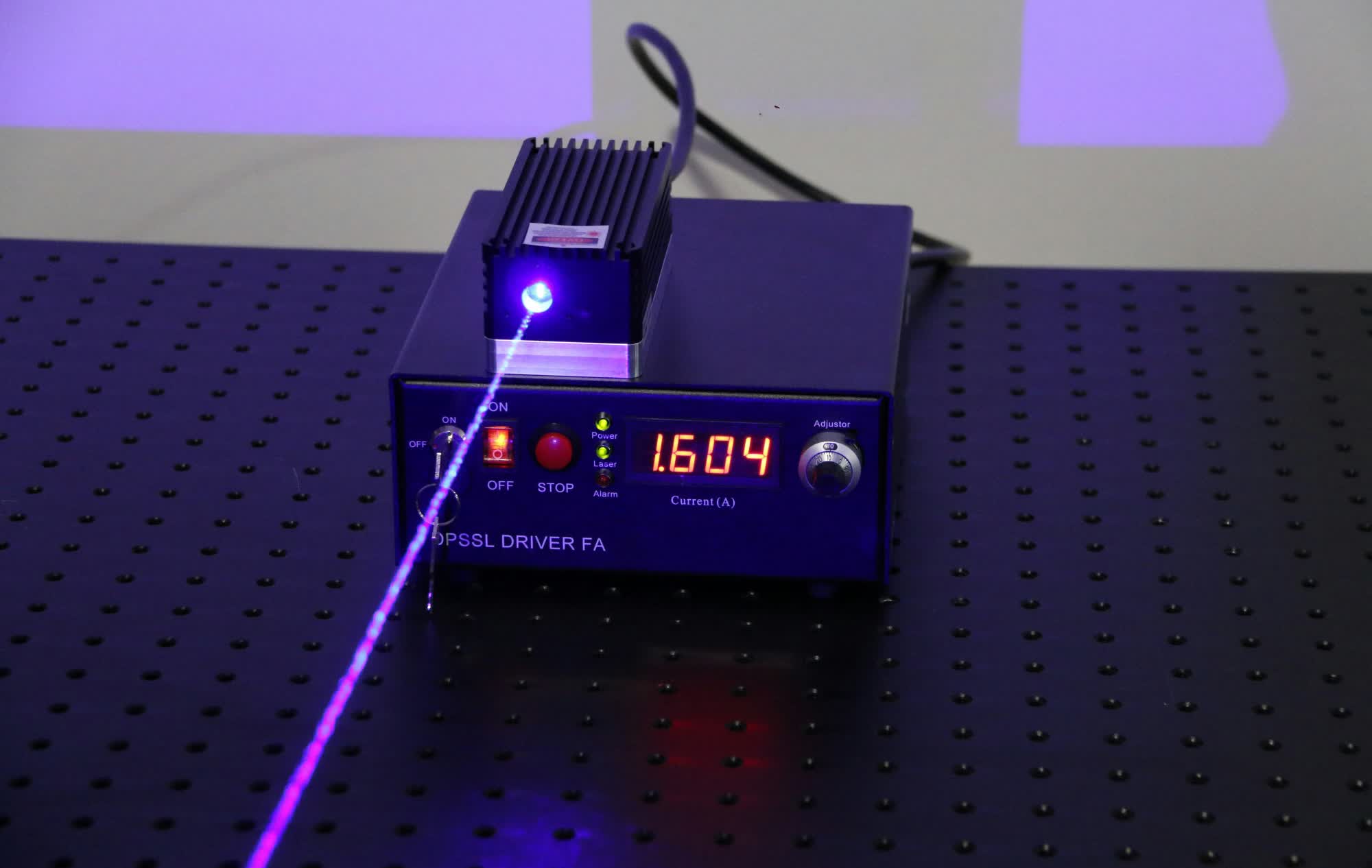
In his home laboratory, Phil – a high school chemistry teacher who also runs a YouTube science channel – discovered that a simple solar panel can do more than convert light into electricity: it can carry sound. The idea came to him when he noticed a faint hum from a speaker connected to a small solar cell whenever it was exposed to light. That moment of curiosity inspired him to test whether music could be transmitted through light alone.
To begin, Phil built a basic signal amplifier to boost audio output from his iPad. Instead of routing the signal to a conventional speaker, he connected it to a light-emitting diode powered by a 9-volt battery. When he pressed play, the LED pulsed in sync with the music – each flicker representing tiny voltage changes carrying data from the iPad. Using a multimeter, he confirmed that the LED's brightness fluctuated precisely in step with the song.
He then positioned the solar panel near the LED and connected it to a small speaker. As the light's intensity fluctuated, the panel converted those variations back into electrical signals, which the speaker transformed into recognizable sound. It worked – though with one major limitation: moving the receiver even slightly farther from the light caused the audio to fade rapidly.
The effect demonstrated the inverse square law, which dictates that a light's intensity decreases dramatically with distance.
Next, Phil swapped the LED for a red laser diode – the same inexpensive kind commonly used in classroom pointers. The laser's narrow, coherent beam focused the light's energy into a single point capable of traveling much farther. Aiming the laser several feet across his living room, he placed the solar panel and speaker in its path and pressed play again. Music filled the room, carried entirely by modulated light. The sound wasn't high-fidelity, but it was clear enough to distinguish lyrics and rhythm.
While Phil's experiment seems novel in a home setting, the underlying principle has existed for decades. Laser-based communication systems first appeared in the 1970s for military applications, providing a way to transmit secure data over long distances without relying on radio signals. By the early 2000s, similar optical links had entered civilian use, especially in remote or mountainous areas where laying fiber-optic cables proved impractical.
These systems still require a precise line of sight between sender and receiver – a passing object can interrupt the beam. Phil's project shows that even sophisticated communication technology can be understood – and recreated – on a small scale.
Home experiment demonstrates how light can carry sound, no wires required


