Looking ahead: Intel says its next major CPU architecture will debut in desktop PCs before reaching the data center, putting enthusiasts ahead of enterprise customers at a time when AI demand has shifted much of the industry's focus toward servers. The strategy could help Intel regain ground with desktop users as competitors increasingly prioritize higher-margin chips for AI and data-center workloads.
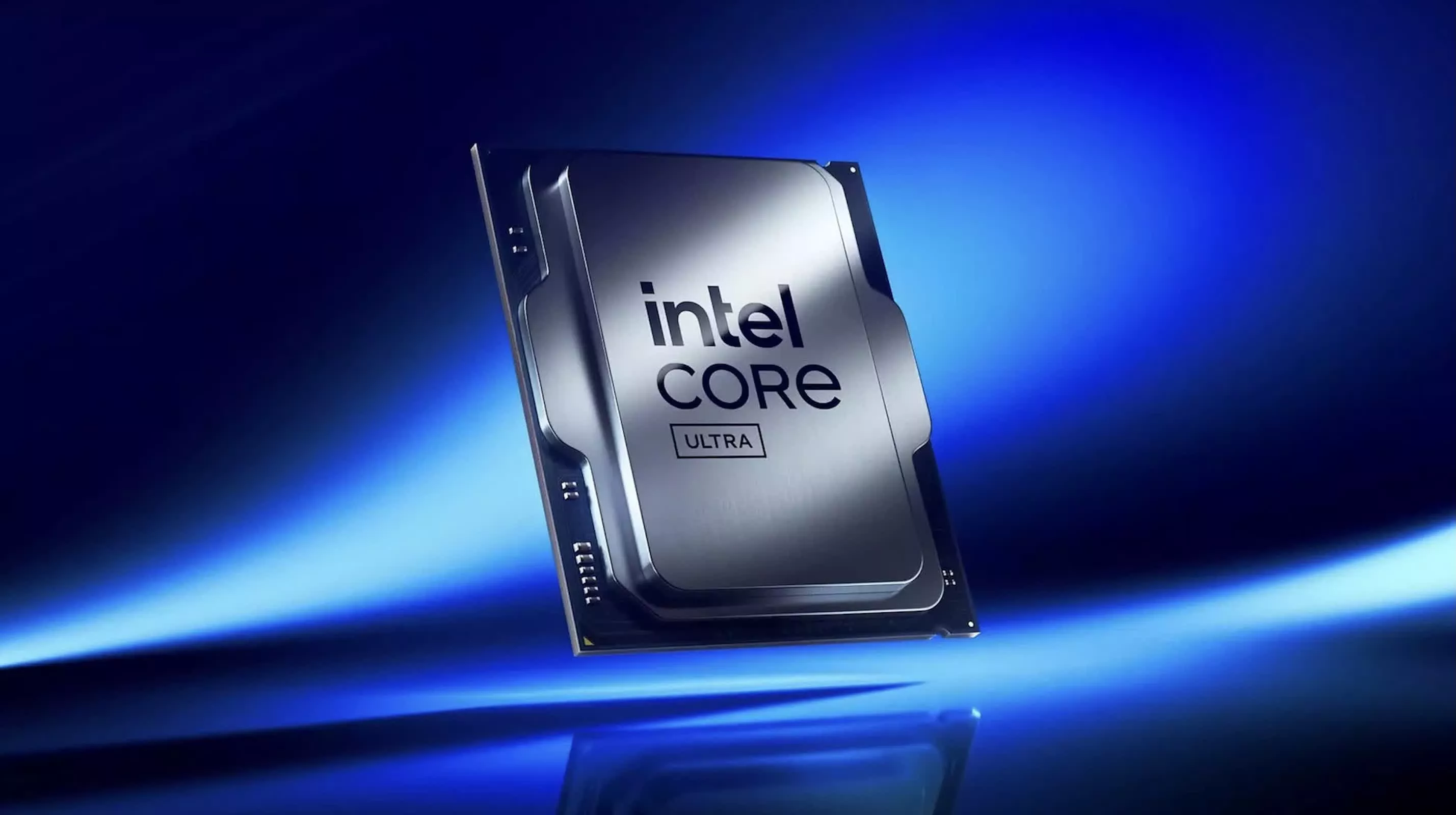
Robert Hallock, an Intel vice president, made the point in a recent conversation with Tom's Hardware. He did not name the product, but his comments appeared to refer to Nova Lake, Intel's upcoming processor family.
"I have a new core," he said. "It's coming to desktop first. I mean, I hope enthusiasts do the math about that one, and that's all I'm going to say."
Nova Lake is rumored to use a new CPU design known as Coyote Cove. Intel has not confirmed the codename or provided technical details, but Hallock's comments suggest the architecture will first appear in consumer desktop chips before moving into server products.
That would be a different approach from AMD's current strategy. AMD recently introduced its Zen 6 architecture in Epyc processors for enterprise customers rather than through Ryzen desktop chips. The company has typically launched new architectures on the desktop first, but the growth of AI infrastructure has changed product priorities across the chip industry.
Hallock called AMD's shift "a natural reaction." Demand for processors used in AI systems has been strong, and server products generally bring higher prices and larger orders than consumer parts. But the decision has left desktop users with fewer major launches.
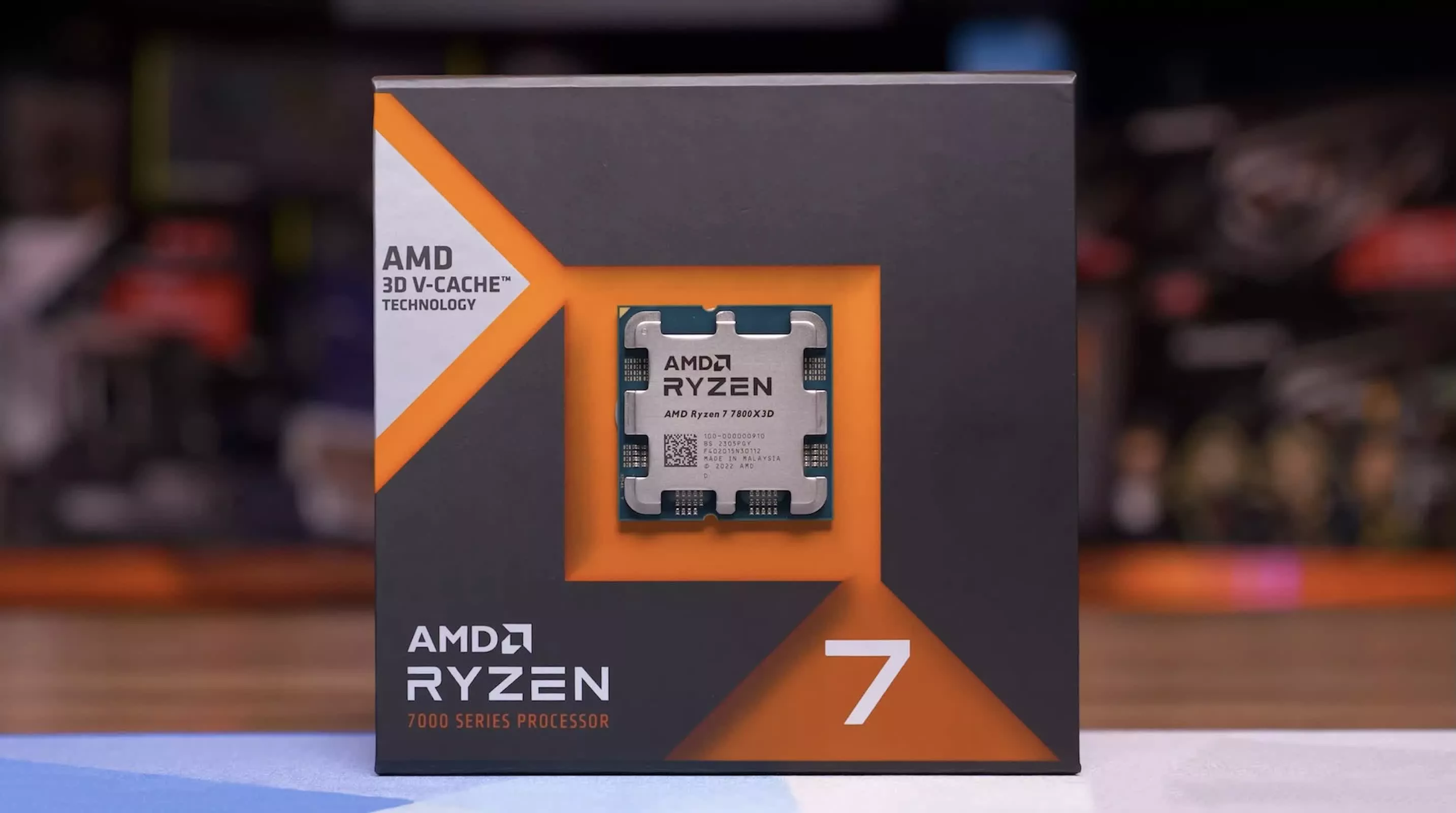
AMD's latest desktop releases have largely relied on existing designs. The Ryzen 7 7700X3D is a newer option, while the Ryzen 7 5800X3D has returned to production. Neither represents a full new generation of desktop CPU architecture.
Intel is now looking to use Nova Lake to regain momentum with PC buyers. The company's Core Ultra 200 series improved power efficiency but did not always lead in performance. Intel's 12th-, 13th- and 14th-generation Core processors also faced reliability concerns that hurt confidence in its desktop platform.
Hallock said the team working on Nova Lake is the same group behind Arrow Lake Refresh, which has drawn a more positive response than some of Intel's recent desktop products. He said the new processors could form the basis of "one of the most significant desktop CPU launches we've ever had."
Intel has not said what process node Nova Lake will use, how many cores it will offer, or what platform features it will include. It also has not confirmed a launch date.
Rumors currently point to an announcement at CES in January 2027, with chips expected to arrive soon after.
Intel says Nova Lake, its next major CPU architecture, is coming to desktop PCs before servers


