
In context: Headsets with heads-up displays have been billed as the next big thing in consumer tech for years, and more recently, even as smartphone replacements. But it's 2024, and they still haven't made a dent in the market. Factors like comfort, battery, and looks aside, another small but significant factor holding things back is eye fatigue from these microdisplays.
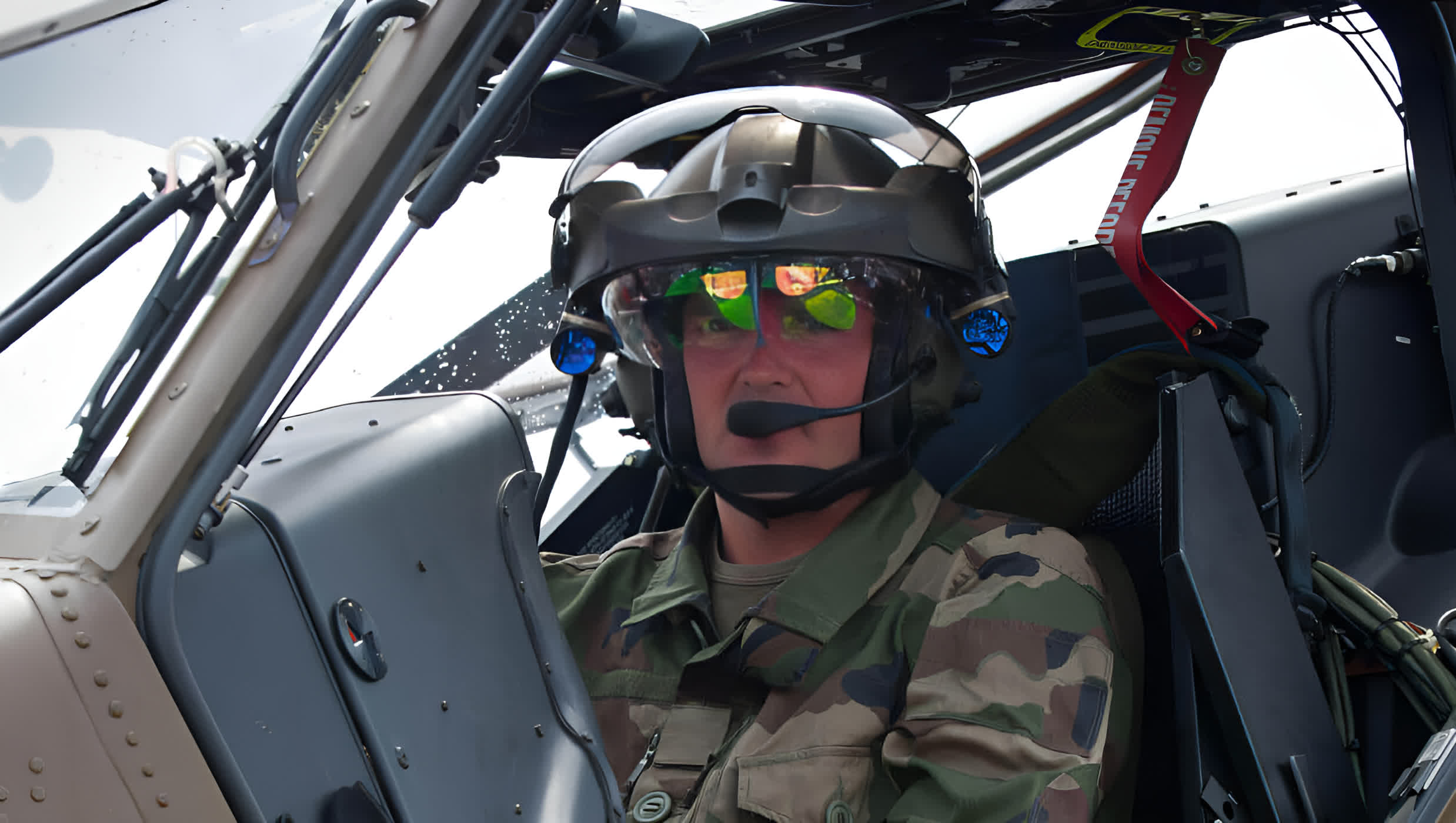
Kopin has developed new software called NeuralDisplay that could have your eyes silently thanking you during extended sessions with spatial computing headsets. The technology essentially adds eye-tracking sensors to microdisplays, using custom software to monitor eye movements, pupil dilation, gaze direction, and more. In under half a millisecond, it dynamically adjusts the display brightness and contrast to match your eyes, so it never seems too bright or too dim.
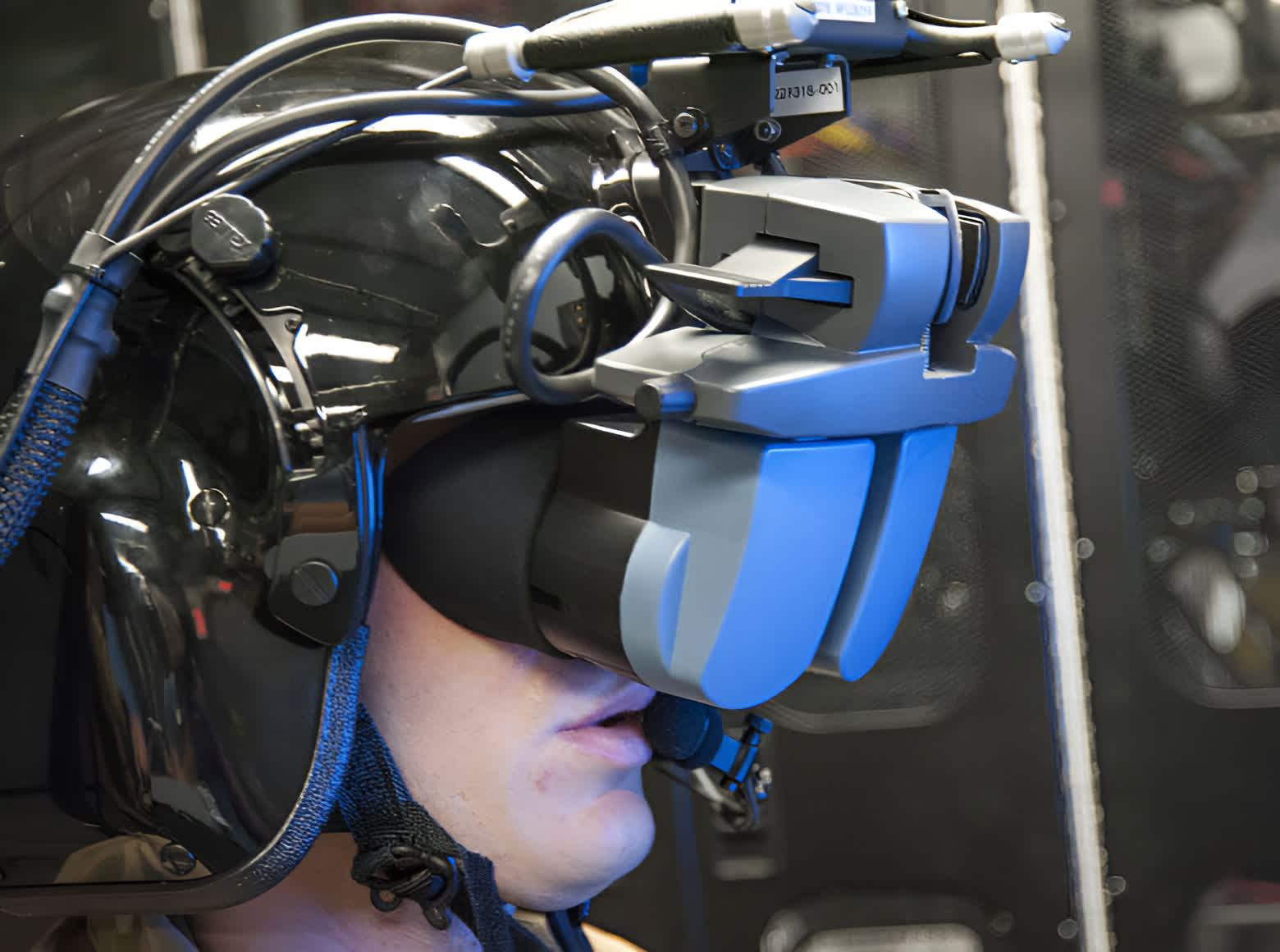
Conventional HUD headsets used in the military, medical field, or other professions typically feature microdisplays with fixed brightness and contrast levels. But your pupils are constantly dilating and constricting based on your emotional state, what you're looking at, and other factors.
For instance, if you get startled and your pupils dilate, that display may suddenly seem overly bright. It's not exactly ideal, especially when you're a fighter pilot in a life-or-death situation.
Kopin CEO Michael Murray told Tom's Hardware that the idea for developing NeuralDisplay originated from this very situation. He met with the Air Force and found that some pilots had trouble keeping their headsets on during battle due to brightness changes.
The company shared an early demo video showing the tech in action. An engineer plays a simple Asteroids game, with graphics visualizing how NeuralDisplay tracks their pupil size (green circle) and gaze point (red circle). As their eyes react, the display seamlessly adjusts without any manual input.
The demo is basic, but Kopin believes the potential implications are huge. The company says NeuralDisplay could eliminate the need for dedicated eye-tracking cameras in many spatial computing systems, reducing size, weight, power consumption, and cost.
Arguably the most advanced headset of its kind on the market, the Apple Vision Pro uses infrared illuminators and cameras to track the user's eyes. But there's no mention of any real-time brightness adjustments based on pupil dilation. If Kopin's technology flies, headsets like the Vision Pro could certainly benefit from it, maybe even shave a few grams off the nearly 650 grams weight.
For now, the NeuralDisplay platform has just entered Alpha testing and the company expects to have finalized headset demos in a few months.
Image credit: Kopin
New headset technology adjusts brightness by tracking pupil dilation


