
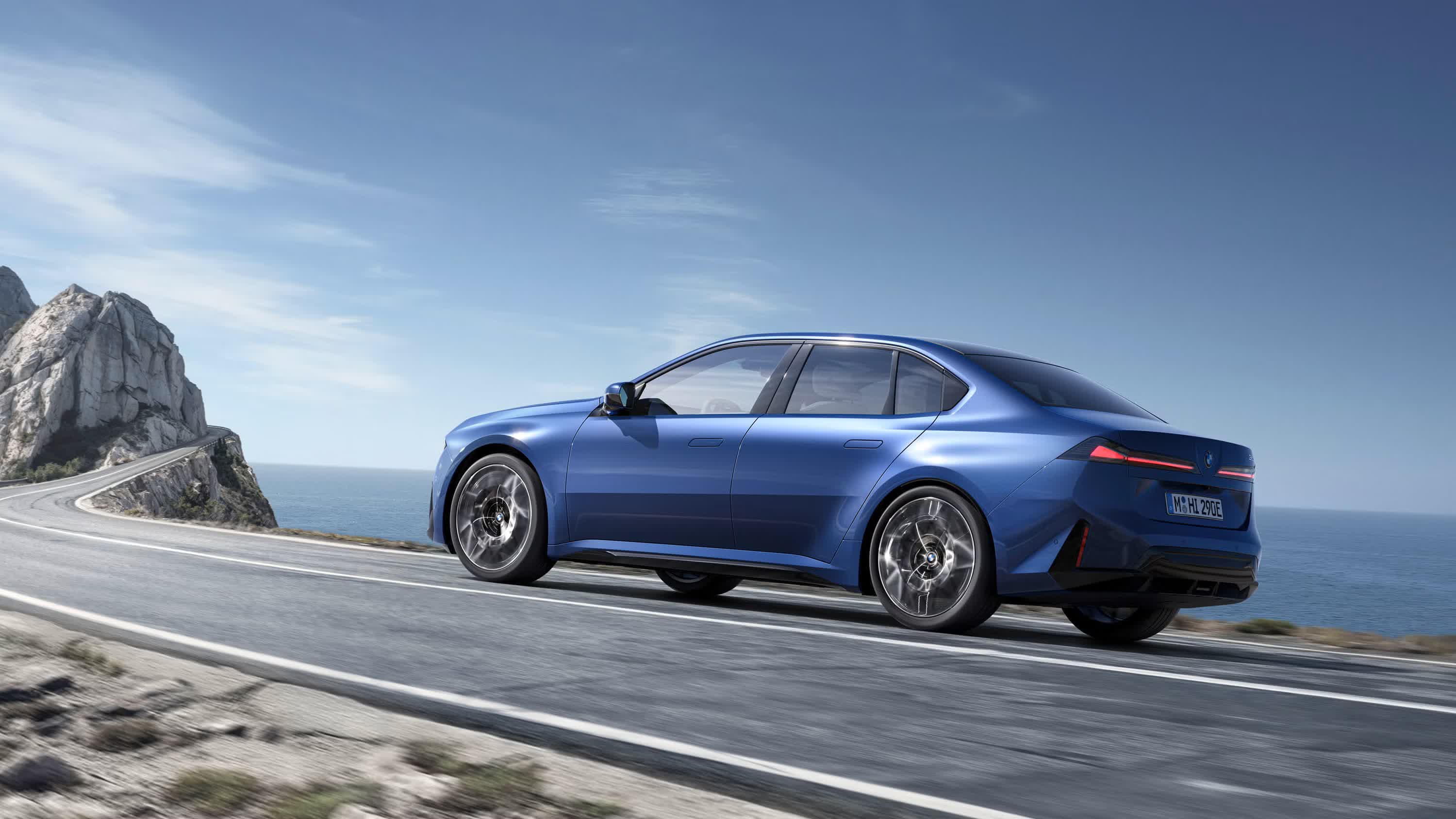
In context: BMW has pulled the covers off the i3, and if that name sounds familiar, it should – there was an i3 before. That earlier model was a quirky electric hatchback that looked like nothing else on the road. It was discontinued in 2022 after a nine-year run. BMW wasn't ready to let the name go entirely, though, so now it's back – only this time, it shares nothing with its predecessor except the badge. The new i3 is a proper sedan for the first time and, more importantly, the first fully electric version of the 3 Series.
The 3 Series has essentially defined BMW's identity for more than 50 years, so electrifying it was never going to be a small move, and the company clearly didn't treat it as one. The result is arguably the best-looking design BMW has produced since the start of its electrification era. The oversized, beaver-tooth grilles that once sparked widespread criticism are now gone. In their place is a sharper, more pointed nose with horizontal kidney grilles that light up.
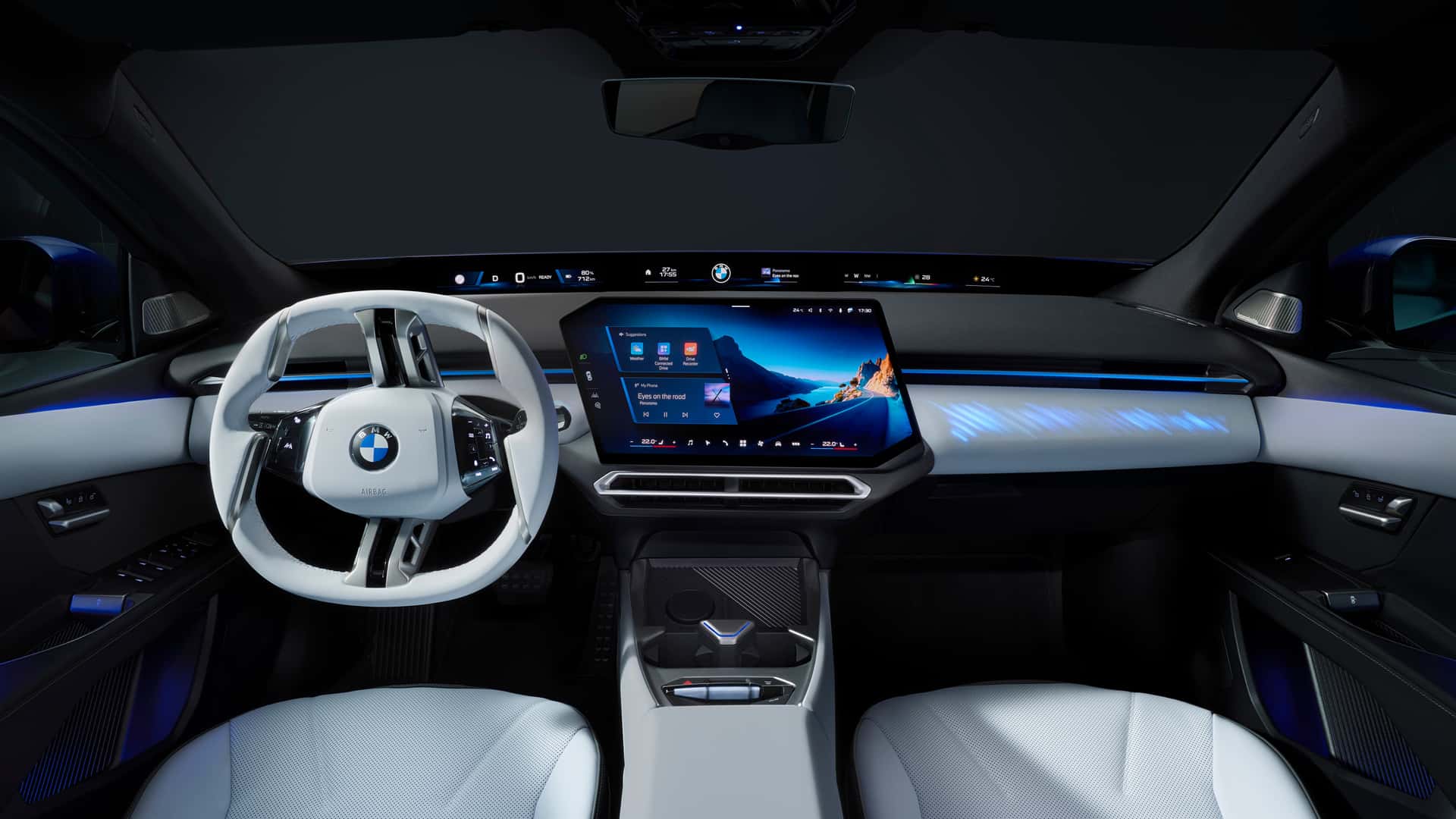
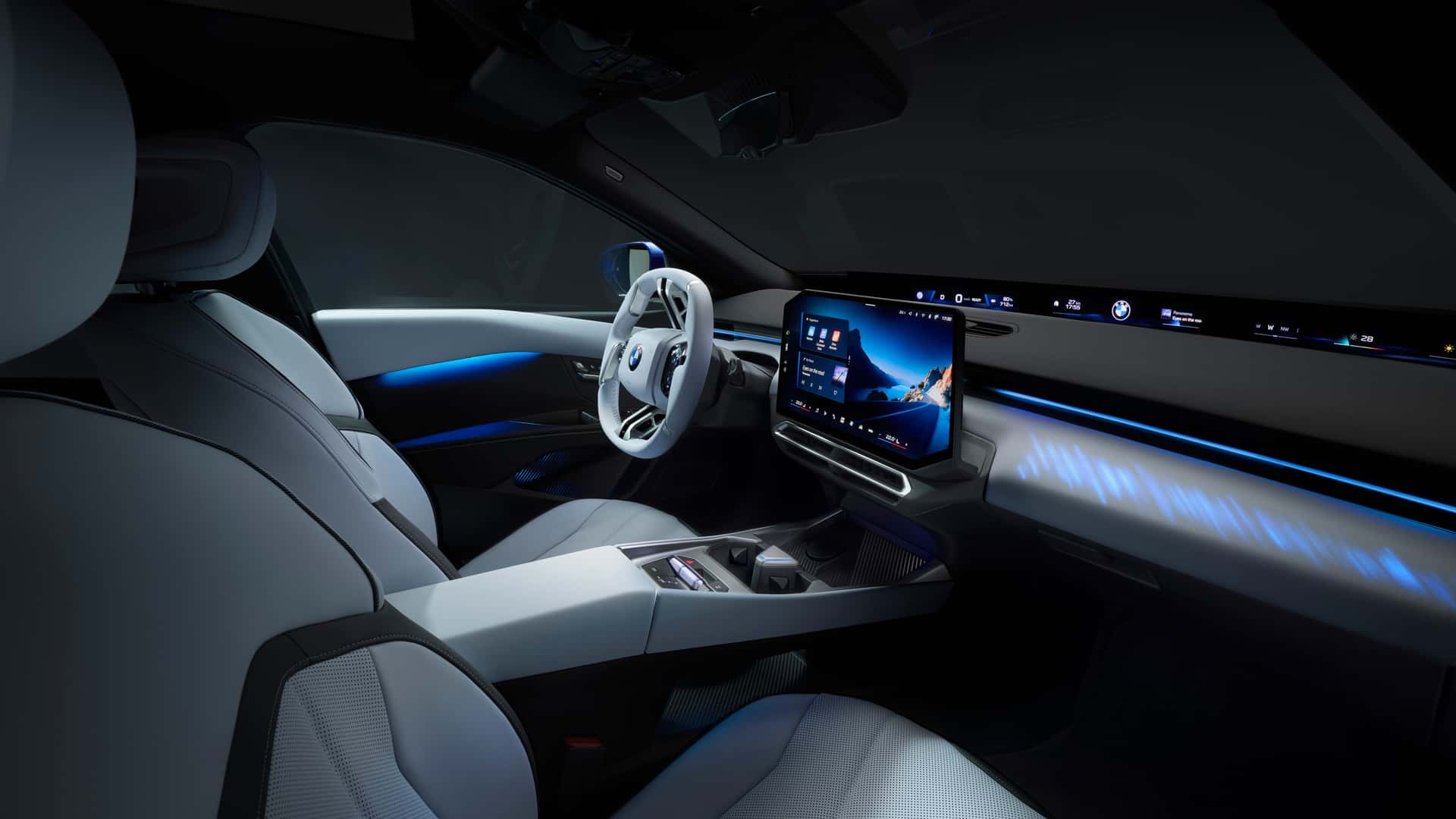
Moving inside, BMW introduces a full-width display called Panoramic iDrive at the base of the windshield. It stretches from pillar to pillar and measures a massive 43.3 inches across. There's also a central 18-inch touchscreen with an unusual six-sided shape – something like a parallelogram with extra corners. It will be interesting to see how apps and interface elements scale to that layout.
BMW has also ditched the rotary iDrive controller and most physical buttons, though the company says its "shy tech" approach illuminates controls only when they're needed.
Another major highlight, beyond the distinctive design, is the battery. BMW says it delivers up to 440 miles of range on a full charge, comfortably beating every Tesla currently on sale including the Model S, which is rated at 410 miles.
Much of that advantage comes from new cylindrical battery cells that are 20% more energy-dense than those used in BMW's previous EVs. These cells are integrated directly into the battery structure without intermediate modules, with the entire pack forming part of the car's floor.
The 800-volt system can theoretically draw up to 400 kilowatts from a DC fast charger, though good luck finding one that powerful in the US right now. It also comes with a built-in NACS port for access to Tesla's Supercharger network.
The launch model is the i3 50 xDrive, which pairs two motors to produce 463 horsepower and standard all-wheel drive. That puts it right alongside the gas-powered M3 – an impressive benchmark for what is essentially the "standard" version.
Production begins in Munich this August, with US deliveries expected in early 2027. Pricing hasn't been confirmed, but estimates place it in the mid-$60,000 range, roughly in line with today's M340i.