The Netherlands is building its own Linux OS to break free from Microsoft

Alfonso Maruccia

Posts: 2,752   +1,078
Staff
Microsoft No More: European countries are increasing efforts to build sovereign digital infrastructure to replace Microsoft and other US-based solutions. The Dutch government is even working on its own Linux distribution because The Hague is reportedly tired of Washington's threats against EU-based institutions.
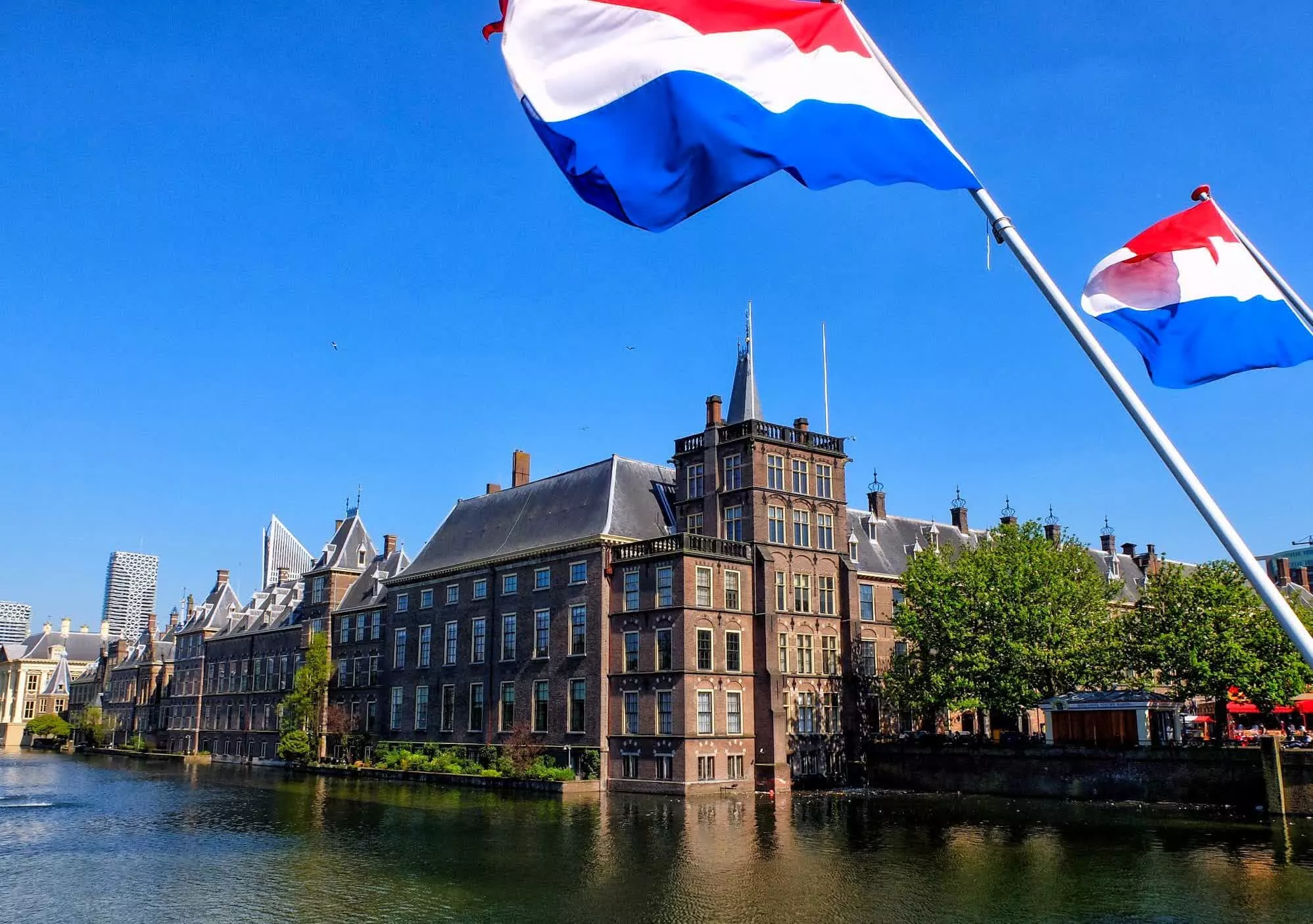
The Dutch government is trying to solve its digital sovereignty problem with its own Linux operating system. A local source recently highlighted the development efforts being poured into NixOS, a Linux distro that originated as a package manager created by Dutch developers. The idea is that US-based software solutions, most notably Microsoft's, would eventually be replaced by this new OS and open-source productivity solutions.

Nix is a package manager with a few peculiar features, including cross-platform compatibility and its own functional programming language for configuring Unix and Unix-like systems. The tool was first released in 2003, and NixOS debuted three years later. The Linux distro is built around Nix and is currently supported by the Dutch nonprofit organization NixOS Foundation.
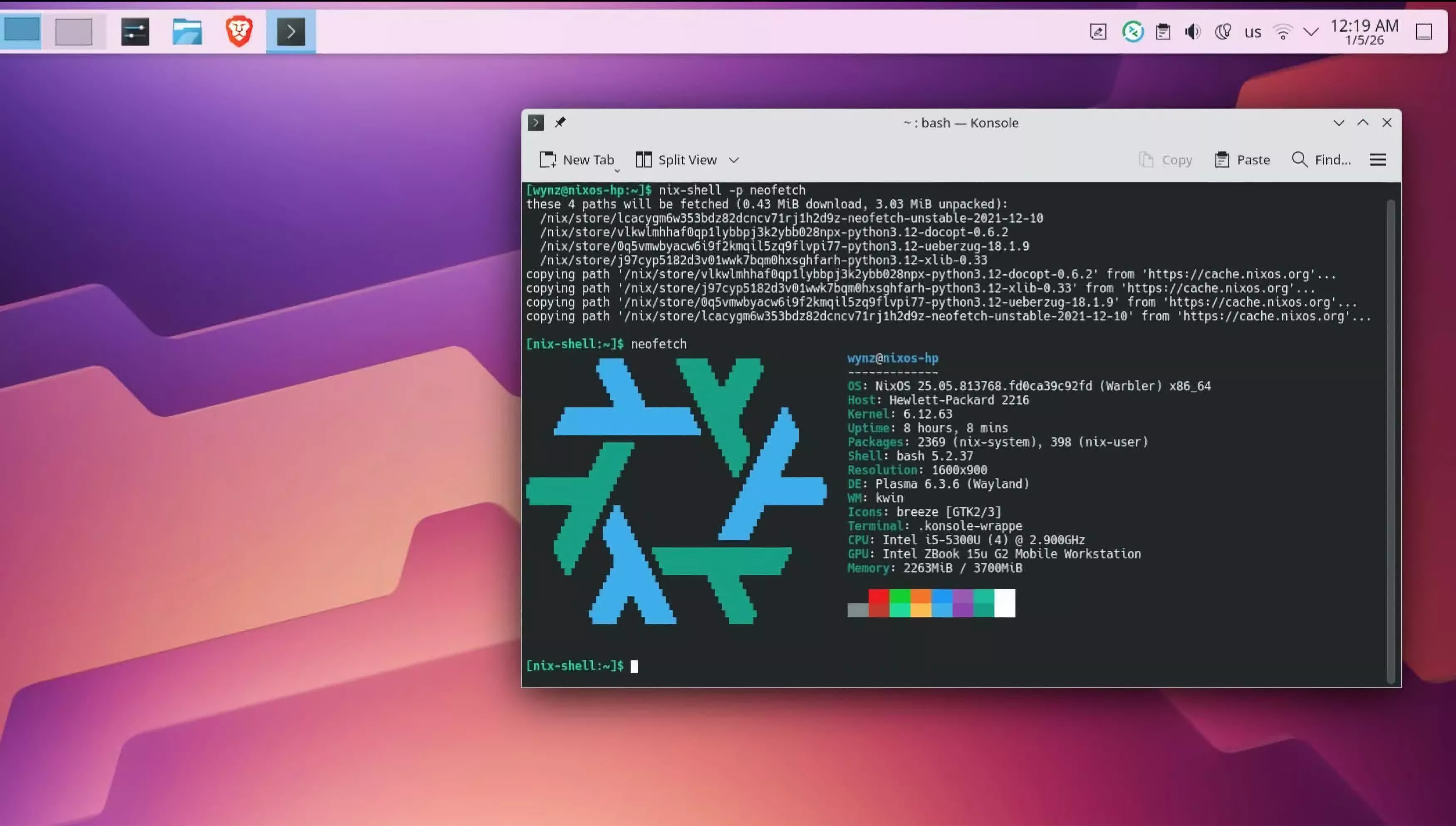
Nix and NixOS are the foundations of the Digitaal Autonome Werkomgeving Overheid (DAWO) project, which includes all the tools required to build a sovereign IT infrastructure. With DAWO, The Hague plans to provide government and public institutions with a custom operating system, productivity and office applications, cloud services, management tools, and everything in between.

Serious efforts to build the DAWO-based sovereign infrastructure apparently began a few months ago, when Dutch authorities decided to standardize the creation of a national IT ecosystem. The project is focused on accessibility, because NixOS developers are not exactly enthusiastic proponents of heavily GUI-based computer interfaces.

DAWO's first pilot programs have already been deployed in private and local environments, but the plan should eventually encompass all institutions in the Netherlands. Sovereignty efforts in the country apparently stalled for years, but the new US administration provided the right incentives to finally get the job done.
Washington authorities recently decided to target the Hague-based International Criminal Court (ICC) with sanctions, while Microsoft allegedly blocked the court's prosecutors from accessing its email and other crucial IT services. The ICC is already replacing Microsoft Office with an open-source alternative, as DAWO and NixOS are going to extend the sovereignty efforts even further.

Earlier this year, the Netherlands blocked an attempt by a US company to buy a crucial app used by Dutch citizens. Elsewhere in Europe, countries are investing millions in massive conversion projects based on the same concept: replacing Windows, Microsoft, and most US software services with Linux, open-source software, or other custom solutions.

Permalink to story:

 
Hilarious. Why would the want to waste effort on having their own distro? Especially a distro that is light on GUI functionality. People have become dependent on easy to use GUIs that have familiar idioms and functionalities. That is the problem with most Linux distros. Each fork does things their own way and none of it is standard or intuitive. Pick an existing distro and focus on the apps that you need. Why waste time and effort on having to develop and support the plumbing rather than the actual problem at hand. I remember when Germany tried to do this and the finally relented and came back into the Microsoft fold. I predict the same will happen here.
 
It's great to see so many governments moving away from Microsoft, Windows and Office. It should have been sooner, but it's better late than never.
We don't see that, we see assorted bureaucratic declarations of intent to do it.

Just here, I've seen dozens of such articles during the last couple of years. All these bureaucratic endeavors are silently scrapped at some point, because, surprisingly, achieving these goals appears to be orders of magnitude more difficult than declaring them.
 
Hilarious. Why would the want to waste effort on having their own distro? Especially a distro that is light on GUI functionality. People have become dependent on easy to use GUIs that have familiar idioms and functionalities. That is the problem with most Linux distros. Each fork does things their own way and none of it is standard or intuitive. Pick an existing distro and focus on the apps that you need. Why waste time and effort on having to develop and support the plumbing rather than the actual problem at hand. I remember when Germany tried to do this and the finally relented and came back into the Microsoft fold. I predict the same will happen here.
Tell everyone you've never used linux without telling them you've never used Linux
 
Developing your own distro is for people who don't understand what configuration management is or how mass deployment works.
 
Developing your own distro is for people who don't understand what configuration management is or how mass deployment works.
They aren't "developing" their own distro, they're taking off the shelf packages and pairing it with free, already available software

It'll probably be based on Ubuntu or Debian LTS, use KDE and come preconfigured with all the software and tools they expect to need.

Most "distros" are managed by 8-12.people in their free time. The main reason that Arch users are so annoying is that they think installing arch and putting all the packages together is a big deal, it's not.
 
Last edited:
It's great to see so many governments moving away from Microsoft, Windows and Office. It should have been sooner, but it's better late than never.
It is great. And these moves will have a snowball effect making it ever easier to move for the next entity.

It's also hilarious that US "national security" moves have been breaking US tech near monopolies around the globe. Unintended consequences!
 
As more countries and their governments embrace Linux, it might very well bring about the standardization that Linux so absolutely desperately needs.

As J Oelschl alluded to, one of the biggest hindrances to Linux has to achieving mass-market adoption, world domination, and, of course, bringing about a world where Microsoft is nothing more than a footnote in the annals of history is that there's no cohesiveness in the community. Everyone is doing their own thing.

We can see that in how there's half a dozen package managers. Why? Standardize it already! We can also see how there's like three or four different window managers. Why?

Everyone is working on their own thing yet, and hear me out on this, what if everyone had come together to work towards one common goal. Hell, Microsoft practically gave the Linux community the opportunity of a lifetime back when Windows 8 was released. Windows 8 was universally hated. The Linux community could have very well gone in for the kill and everyone across the world would've been better for it.

But no, the Linux community has never missed an opportunity to miss an opportunity.

Getting back to my original idea here, various countries and governments coming into the picture might actually bring about the final death of Microsoft. And when that day happens, I will drink to it.
 
Hilarious. Why would the want to waste effort on having their own distro? Especially a distro that is light on GUI functionality. People have become dependent on easy to use GUIs that have familiar idioms and functionalities. That is the problem with most Linux distros. Each fork does things their own way and none of it is standard or intuitive. Pick an existing distro and focus on the apps that you need. Why waste time and effort on having to develop and support the plumbing rather than the actual problem at hand. I remember when Germany tried to do this and the finally relented and came back into the Microsoft fold. I predict the same will happen here.
Mint was intuitive. I spent a weak working out another issue and immediately found alternatives for apps I use in windows. Not to mention it was very quick and responsive. Where it suck is where it refuses to accept a hardware that you need to work. Which is why they should not do it alone, it will cost a lot. Rather than that, all Europeans should share the supporting expenses which will not be small.
 
As more countries and their governments embrace Linux, it might very well bring about the standardization that Linux so absolutely desperately needs.

As J Oelschl alluded to, one of the biggest hindrances to Linux has to achieving mass-market adoption, world domination, and, of course, bringing about a world where Microsoft is nothing more than a footnote in the annals of history is that there's no cohesiveness in the community. Everyone is doing their own thing.

We can see that in how there's half a dozen package managers. Why? Standardize it already! We can also see how there's like three or four different window managers. Why?

Everyone is working on their own thing yet, and hear me out on this, what if everyone had come together to work towards one common goal. Hell, Microsoft practically gave the Linux community the opportunity of a lifetime back when Windows 8 was released. Windows 8 was universally hated. The Linux community could have very well gone in for the kill and everyone across the world would've been better for it.

But no, the Linux community has never missed an opportunity to miss an opportunity.

Getting back to my original idea here, various countries and governments coming into the picture might actually bring about the final death of Microsoft. And when that day happens, I will drink to it.
If you want standardization, use Windows or MacOS. Linux was built on individual choice, that is why there are multiple options for everything. Trying to enforce a "standard" will only result in yet another option that nobody uses.

It's always funny when non linux users do this though. Stop being a tourist and learn why people adopt linux over "standardized" corpo slop.
 
Back