This startup wants to destroy cancer tumors using ultrasound instead of surgery

Alfonso Maruccia

Posts: 2,594   +976
Staff
Something to look forward to: Startups and researchers around the world are ramping up efforts to develop novel therapeutic approaches to cancer treatment. A China-born researcher is exploring the use of ultrasound to target cancerous cells, potentially turning traditionally invasive procedures into safer, less disruptive forms of care.
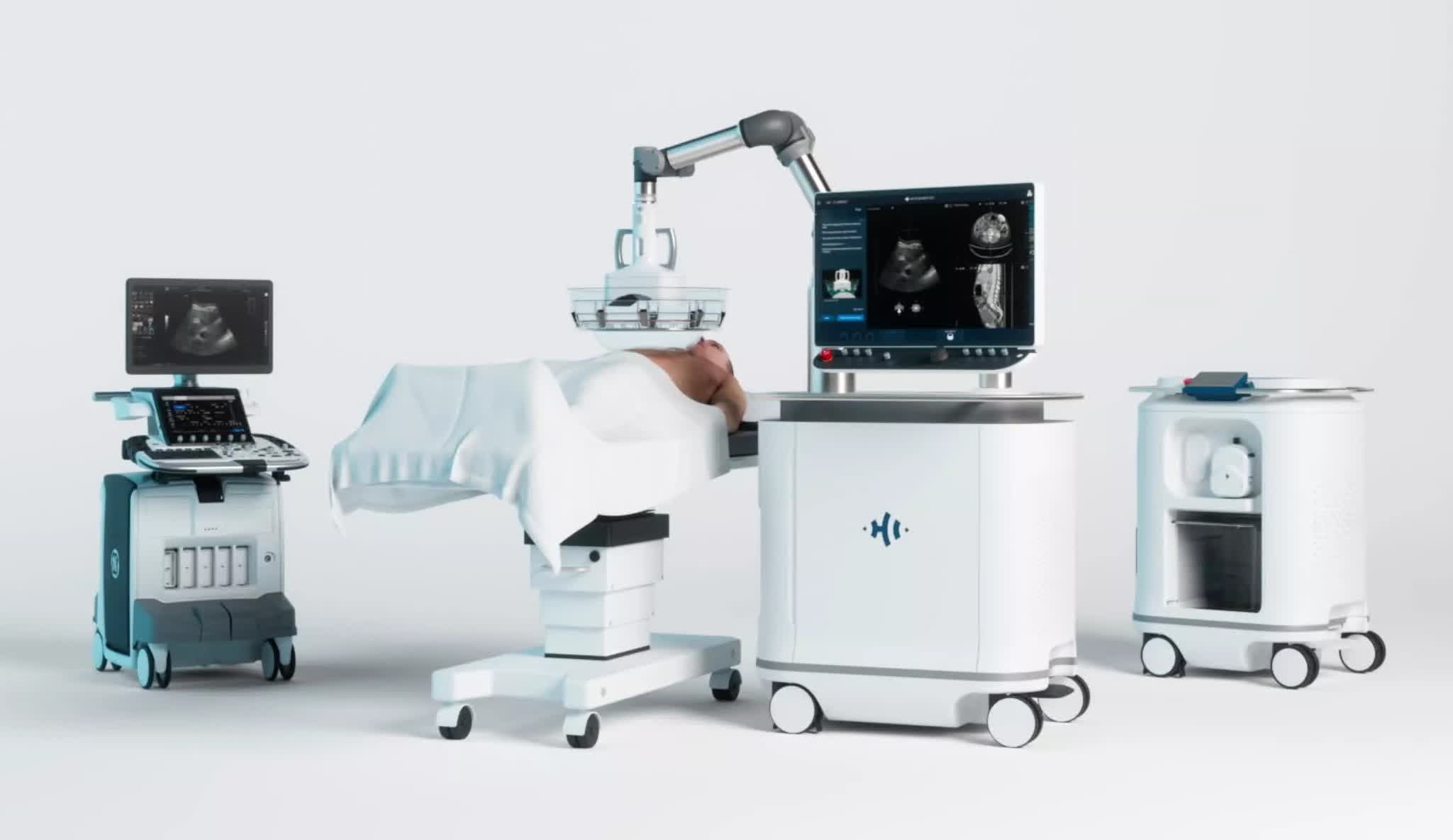
HistoSonics, a company founded by biomedical engineer Zhen Xu in 2009, is developing a technique called histotripsy to target different types of cancer. Xu has been refining the approach for years in an effort to treat tumor cells without the need for incisions or other potentially invasive procedures.

According to HistoSonics's website, histotripsy is based on focused ultrasound energy. By using high-amplitude, very short ultrasound pulses, the system generates a "bubble cloud" that mechanically disrupts liver tumors at the sub-cellular level. Cancerous cells are liquefied, while surrounding healthy tissue is intended to remain intact.

Earlier this year, Time magazine listed HistoSonics as one of the 10 most influential health and life science ventures in the world. Following a recent funding round and stake acquisition, the company was valued at $2.25 billion. Xu's work on histotripsy was also recognized with the Sony Women in Technology Award, though development of the technology appears to be still in its early stages.

Localized treatments that spare healthy tissue are now a major focus in cancer research. Chemotherapy and other traditional approaches can have significant side effects, while non-invasive methods such as histotripsy could offer meaningful improvements in patient outcomes and quality of life.

Dr. Xu became interested in ultrasound applications beyond sonography during her doctoral studies at the University of Michigan, after completing her earlier education in China. She was also motivated by personal experience, as her husband's family had lost two relatives to cancer.

HistoSonics' ultrasound technology was approved by the US Food and Drug Administration in 2023. More recently, the treatment has also received approval from health authorities in the UK, Hong Kong, and other regions. The company is now looking to expand histotripsy to other tumor types following a pilot study involving 67 patients with kidney cancer.
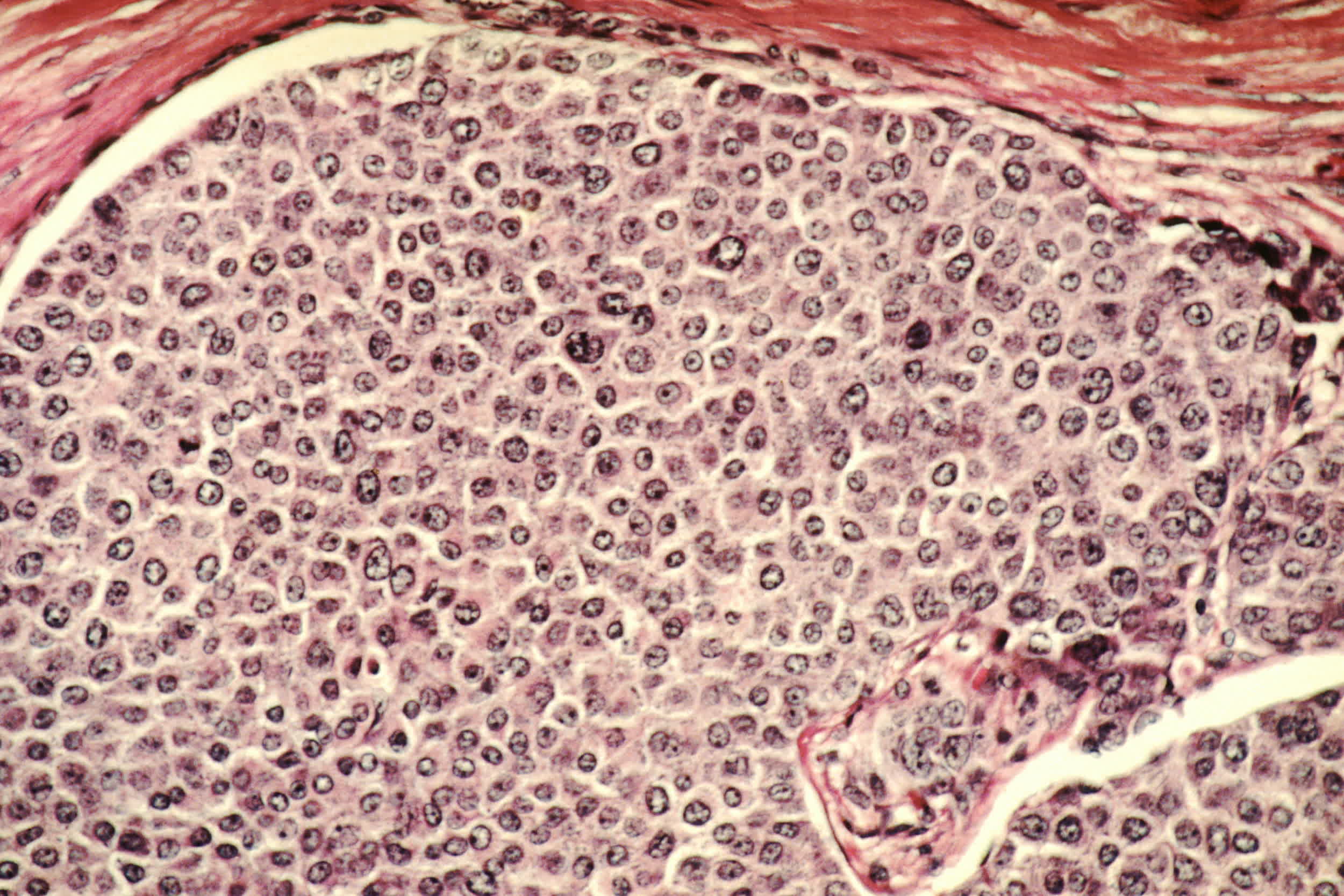
On a global scale, histotripsy has already been used to treat around 4,000 patients. Earlier this year, Gleneagles Hospital Hong Kong used the technique to treat two patients with pancreatic cancer. Additional clinical trials involving kidney, prostate, and soft-tissue tumors are also underway.

HistoSonics has also worked with Sony to improve the ultrasound system, particularly in imaging and visualization capabilities. Xu said histotripsy could represent a significant breakthrough in cancer research – one of those rare developments in science that occurs perhaps once every several decades.

Permalink to story:

 
The problem with breaking down a tumor to remove it from your body is that you haven't really taken care of the root issue which is why the tumor is there in the first place. It's a warning to you that something isn't right. Take that away and then you think everything is okay. And you end up dead.
No thank you.
 
The key word is always TREATMENT. Never the word CURE.
For a couple reasons.
1. (the obvious) The medical industry makes money on TREATING cancer, not curing it.
2. There are too many kinds of cancer, so an effective cure is kind of out of question.
How many times have you heard of someone that was treated, said they were cured,
and in a year or so it comes back WORSE than before?
Cancer should be a four letter word. I guess one day they might, but I'm not holding my breath.
 
How is this new. Literally 20 years ago researchers including my group were working on using ultrasound to rupture microbbubles at tumour sites that can lyse tumour cell walls and inject drugs. This has been a big field in EU and USA for a long time.
 
1. (the obvious) The medical industry makes money on TREATING cancer, not curing it.
We spend tens of billions of dollars each year researching cancer cures. Progress is being made, and many millions of people *have* been cured. Treatments are far from 100% effective because - as you acknowledge - it's a very complex problem.

The problem with breaking down a tumor to remove it from your body is that you haven't really taken care of the root issue which is why the tumor is there in the first place.
The root cause we know: one single cell in your body damaged its DNA to the point that began replicating uncontrollably, reverting, as it were, to its original bacterial origins. If that tumor really was removed entirely, the cancer would indeed be fully cured. The problem is that we often don't catch the cancer until it has metastasized, and begun spreading throughout the body.
 
Last edited:
The key word is always TREATMENT. Never the word CURE.
For a couple reasons.
1. (the obvious) The medical industry makes money on TREATING cancer, not curing it.
2. There are too many kinds of cancer, so an effective cure is kind of out of question.
How many times have you heard of someone that was treated, said they were cured,
and in a year or so it comes back WORSE than before?
Cancer should be a four letter word. I guess one day they might, but I'm not holding my breath.

As someone who had several relatives affected by cancer, I won't use the world "cure" anytime soon until they will have actually cured this malady.
 
As someone who had several relatives affected by cancer, I won't use the world "cure" anytime soon until they will have actually cured this malady.

Cure Rates:

Stage I breast cancer: 98-100%
Stage II breast cancer: 90-95%

Early-stage prostate cancer is just as curable. For Stage III/IV cancer, oncologists prefer to speak of "five-year survival rates" because advanced metastasis makes a complete cure nearly impossible.

We know of several thousand different cancer types already; each the result of a different genetic defect. Immunotherapy is the best hope for a complete cure of advanced-stage cancer, but it requires a separate treatment for each of those thousands of variants. AI to the rescue! Advanced ML models give us hope of tackling the problem en mass, rather than one by one.
 
Last edited:
The problem with breaking down a tumor to remove it from your body is that you haven't really taken care of the root issue which is why the tumor is there in the first place. It's a warning to you that something isn't right. Take that away and then you think everything is okay. And you end up dead.
No thank you.

So what else are you going to do? If it gives you a few more years, it's a great benefit.
 
So what else are you going to do? If it gives you a few more years, it's a great benefit.

How does removing the tumor guarantee you a few more years of life? There are such things as benign tumors. But if it's not that type, and it was me, I would be examining everything I do in my life to try and determine why it's become manifest. Am I smoker, am I drinking too much, am I overweight, am I not getting enough sleep. On and on and on, asking these questions, to determine the cause of the tumor. Because cancer doesn't just fall out of the sky randomly. The body is not an unknown slot machine randomly attacking unlucky people for no reason. But hey, this is just me, and probably more than just me but this is the route I would take.

Of course, there is the point of no return as well. Finding the cause of the tumor too late means just that. And so, removing the tumor at the point of no return, I don't get that either. Since by definition, you're past the point of no return.

Just things to think about.
 
Back