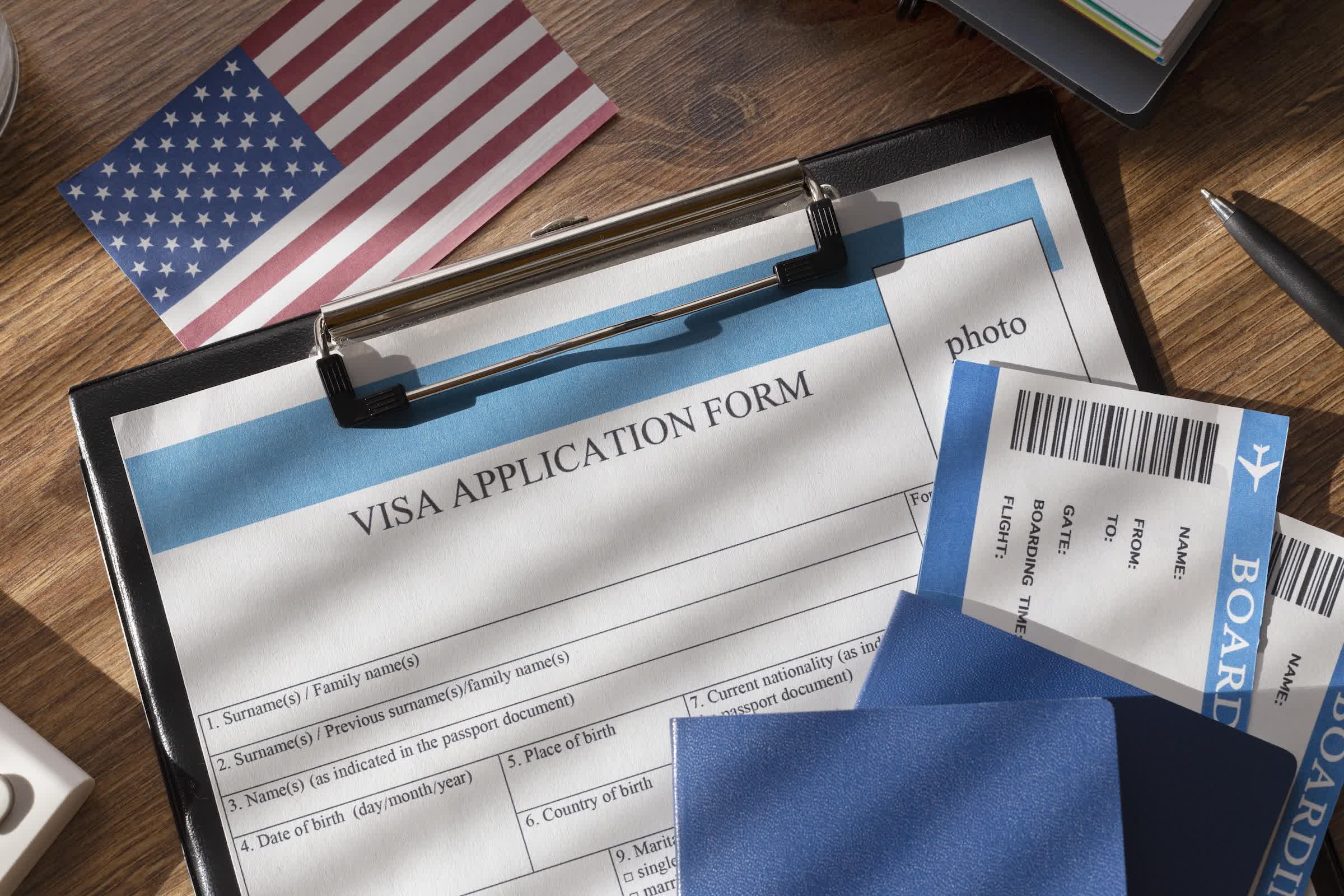
A hot potato: President Trump's administration has introduced major changes to the United States' high-skilled immigration system, unveiling plans to impose a $100,000 fee on new H-1B visa applicants and to offer a $1 million "gold card" investor visa that provides a pathway to citizenship. The measures, enacted by presidential proclamation, have triggered immediate backlash from legal experts, technology executives, immigrant advocacy groups, and foreign governments, who question their legality and warn of far-reaching consequences for the American tech workforce and broader economy.
The newly announced policy faces an uncertain future – not only in the courts but also in terms of international response and practical implementation. As stakeholders across multiple sectors brace for the fallout, the coming months will determine whether the administration's sweeping overhaul will take hold or face legal reversal.
Under the directive, the application fee for H-1B visas – the primary pathway for employing foreign professionals in highly skilled sectors – will rise from $215 to $100,000 for new applicants.
The administration clarified that the charge is a one-time fee, not an annual payment as some outlets initially reported, and that it will not apply to renewals or current H-1B holders. The new fee structure is expected to take effect with the upcoming lottery cycle and will not impact those holding visas from the 2025 lottery.
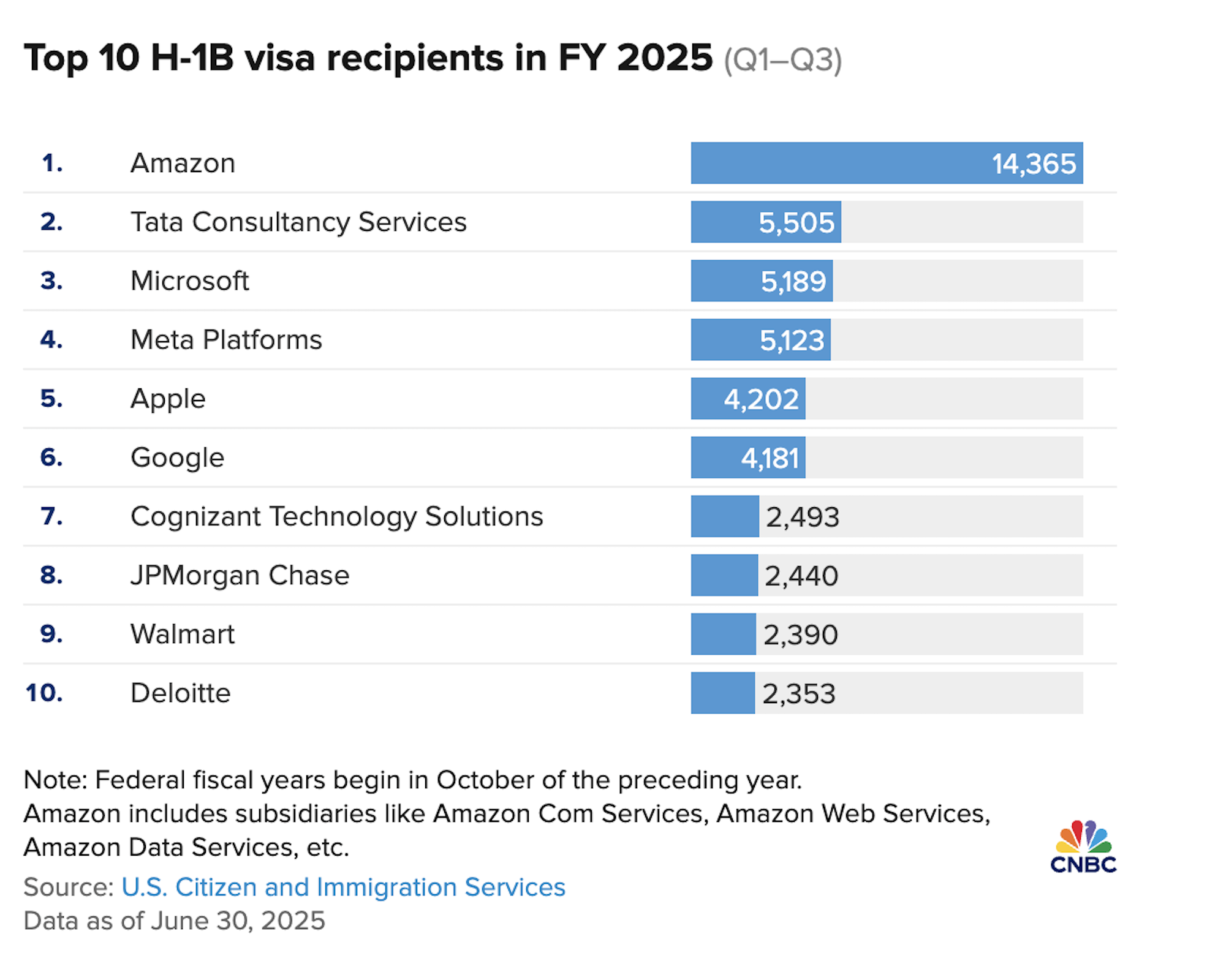
Technology and financial companies, which heavily rely on H-1B visas to fill roles requiring specialized knowledge, are likely to feel the impact most acutely. Many of these workers are recruited from countries such as India and China.
Amazon, the largest recent recipient of H-1B visas, employed more than 14,000 visa holders as of June 2025. Microsoft, Meta, Apple, and Google each reported over 4,000 H-1B employees during the same period.
The government's stated rationale is to discourage abuse of the system while prioritizing American workers. Still, the magnitude of the fee hike represents an unprecedented barrier for both employers and prospective immigrants.
In a parallel move, Trump also announced a new "gold card" visa, offering investors a path to US citizenship for $1 million, subject to vetting. For corporate sponsorships, the cost rises to $2 million per worker. In addition, the administration introduced the "Trump Platinum Card," priced at $5 million, which would allow recipients to stay in the US for up to 270 days per year without being taxed on non-U.S. income.
These new visa categories would replace several existing employment-based immigrant visa programs and require congressional approval for full implementation.
The announcements sent shockwaves through the country's largest technology employers. Many companies issued internal communications advising staff and contractors to remain in the US and to avoid international travel.
Amazon's immigration team, for example, urged H-1B and H-4 visa holders to return to the US before the changes take effect. JP Morgan Chase, Goldman Sachs, and Microsoft issued similar guidance, warning employees that traveling abroad could jeopardize their immigration status under the new policy.
Foreign governments are also scrambling to assess the implications for their workers and businesses. India's Ministry of External Affairs acknowledged the shared economic stakes for both Indian and American industries but warned of serious humanitarian consequences as families face uncertainty and potential disruption.
South Korea's foreign ministry reported that it, too, was evaluating the impact on its workers and corporate interests with operations in the US.
Legal challenges are widely anticipated, with critics contending that the president is overstepping Congress in unilaterally revamping visa policies. Doug Rand, a former senior official at US Citizenship and Immigration Services, told The Associated Press that the measures were "ludicrously lawless," arguing that they amount to little more than headline-grabbing fan service for immigration opponents. Labor organizations, such as the AFL-CIO, argue that the current lottery system should be replaced with awarding visas to the highest-paying employers – a policy Trump previously proposed during his first term.
The H-1B system has often come under scrutiny for being misused to fill entry-level positions rather than specialized ones, and for allowing firms to undercut US salaries by classifying jobs at the lowest wage tiers.
Consulting companies based in both India and the US have been prominent in using the visa program to contract workers to American employers, with the most recent data indicating a nearly 40 percent drop in lottery applications in 2024 after reforms aimed at preventing multiple, duplicate entries by prospective applicants.
Image credit: CNBC