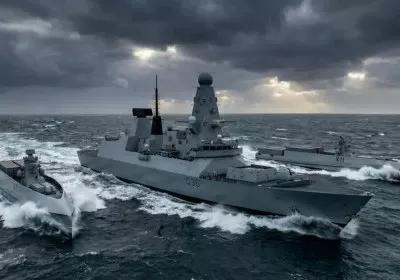
The US military nearly attacked a Chinese vessel after a chatbot falsely claimed it carried nuclear weapons materials
The takeaway: Warnings from AI developers have sparked widespread debate over whether, and how, the technology might cause human extinction. While much of that discussion has centered on rogue AI incidents, events in the Middle East suggest that military action driven by hallucinating AI tools may be the more immediate danger.
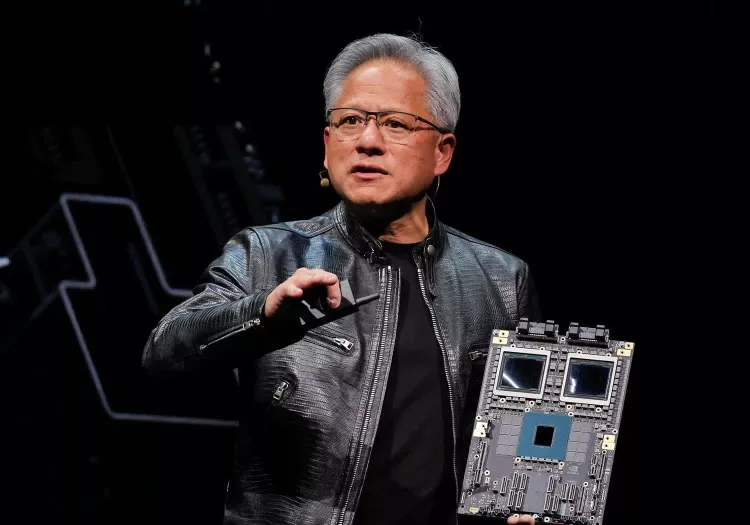
Big quote: Jensen Huang just spent a week watching his company's valuation get hit by the threat of a Chinese open-weight model. His response was to go on the record defending it. Speaking to Axios in Fort Worth, Texas, at the opening of a new phase of the Wistron plant that builds Nvidia's AI infrastructure, the Nvidia CEO said American companies should "absolutely" be free to run Chinese models. "These Chinese models are excellent," he said. "Open-source models that are excellent should be used." Asked whether China could displace American labs, he was blunt: "Zero possibility."
A Senate briefing, a jailbreak, a rushed export ban, and a rare Five Eyes alarm
Why it matters: Ten days ago, Anthropic was happy to announce its most advanced AI model was going public. Today, almost nobody can use it. On June 12, the Trump administration directed the company to restrict Fable 5 and Mythos 5 to US citizens only – unable to verify nationality at scale, Anthropic's only option was a full global shutdown, cutting off allies, researchers, and its own foreign-national employees with 90 minutes' notice. It's the first time the US government has applied export controls to an AI model, and the consequences are still unfolding.
Intel could gain a major foundry customer as Apple looks to reduce its reliance on TSMC
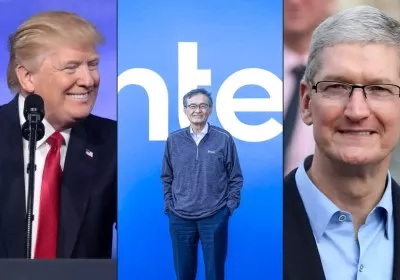
What just happened? President Trump says that Apple has agreed to work with Intel to design and build its chips in America. In a Truth Social post, Trump complained that "Stupid Presidents" had "let Taiwan and others steal our Semiconductor Factories."