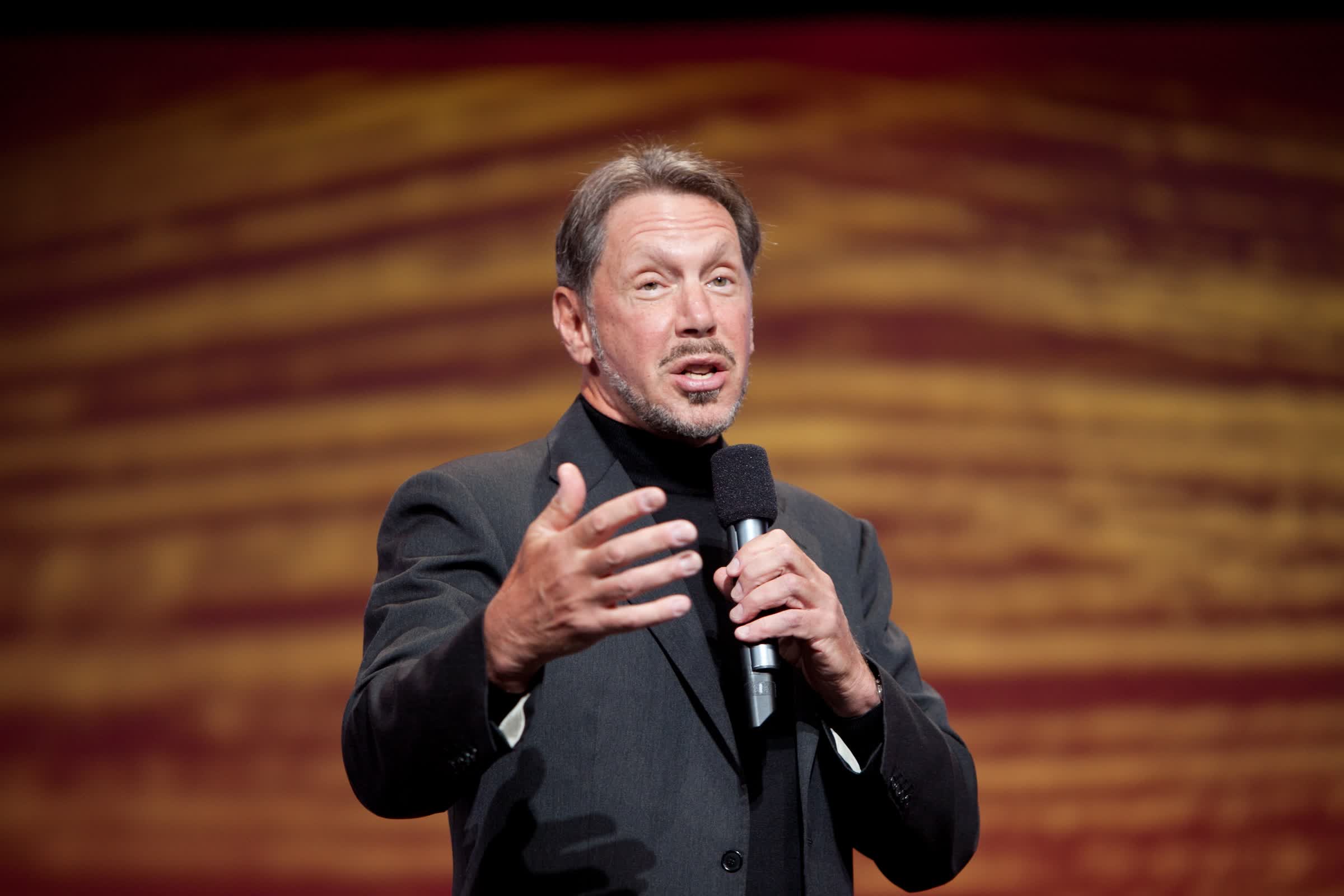
Editor's take: Larry Ellison has spent decades shaping Silicon Valley through Oracle, the software company he co-founded in 1977. Now 81, and with a fortune that recently placed him among the richest people in the world, Ellison is moving in a new direction: media ownership. His investments, alongside those of his son, David, suggest ambitions that extend well beyond the corporate software world he helped define.
The most significant shift centers on TikTok, the short-form video app with 170 million users in the United States. Earlier this year, Congress ordered its parent company, ByteDance, to divest the platform over national security concerns. Enforcement of the law was delayed by President Trump. Against that backdrop, Oracle, where Ellison retains more than 40 percent ownership and serves as chief technology officer, has emerged as one of the key investors in TikTok's US arm.
Once known more for racing yachts, buying fighter jets, and building luxury estates – including the Hawaiian island of Lanai – Ellison is now aligning his considerable wealth with platforms that shape culture and public opinion.
The contours of the deal remain uncertain, with ownership shares and management roles still being defined. President Trump has made clear, however, that the buyer group will include his allies. In an interview on Fox News, he suggested that the Murdoch family, which controls Fox News, is "probably" among the investors. In January, Trump also singled out Ellison and Elon Musk as his preferred candidates to take control of TikTok.
Oracle already had a technical stake in the app before the investment, providing cloud services for US user data. The new deal, should it close, could transform that role into a direct consumer-facing business. For Oracle, it represents another attempt to break into the consumer market, decades after the company's unsuccessful foray into selling network computers in the 1990s.
But TikTok is only one part of the Ellison family's growing media footprint. David Ellison, Larry's son, recently finalized an $8 billion transaction for Paramount and CBS, giving Skydance Media effective control of two of the country's most established entertainment brands. He is now widely expected to pursue a bid for Warner Bros. Discovery, which includes assets such as CNN.
In another potential expansion, David Ellison is in talks to acquire The Free Press, a digital outlet founded by Bari Weiss, a former New York Times editor. Reports suggest Weiss may be given editorial oversight at CBS if the deal closes. Paramount has declined to comment on the matter.
Michael Socolow, a media historian at the University of Maine, noted that the accumulation of such assets could create a new kind of media power. "Everything is consolidating," he told The New York Times. "What makes these deals different is that they are across multiple platforms. To have the opportunity to establish an editorial line across TikTok, CBS News, and CNN is a new world."
Regulatory approval for this level of consolidation would once have been unlikely... (but) proximity to President Trump changes the calculation. Access to Washington may prove as decisive as access to capital.
Regulatory approval for this level of consolidation would once have been unlikely. American media dynasties, from the Chandler family in Los Angeles to Rupert Murdoch's News Corp., built influence but were constrained by geography, competition, or the FCC. In today's climate, industry veterans say Ellison's proximity to President Trump changes the calculation. Access to Washington may prove as decisive as access to capital.
For Ellison, money is not a constraint. His Oracle stake soared by about $100 billion in a single day earlier this year, briefly making him the world's richest man. His net worth now stands at $367 billion, according to the Bloomberg Billionaires Index, second only to Musk.
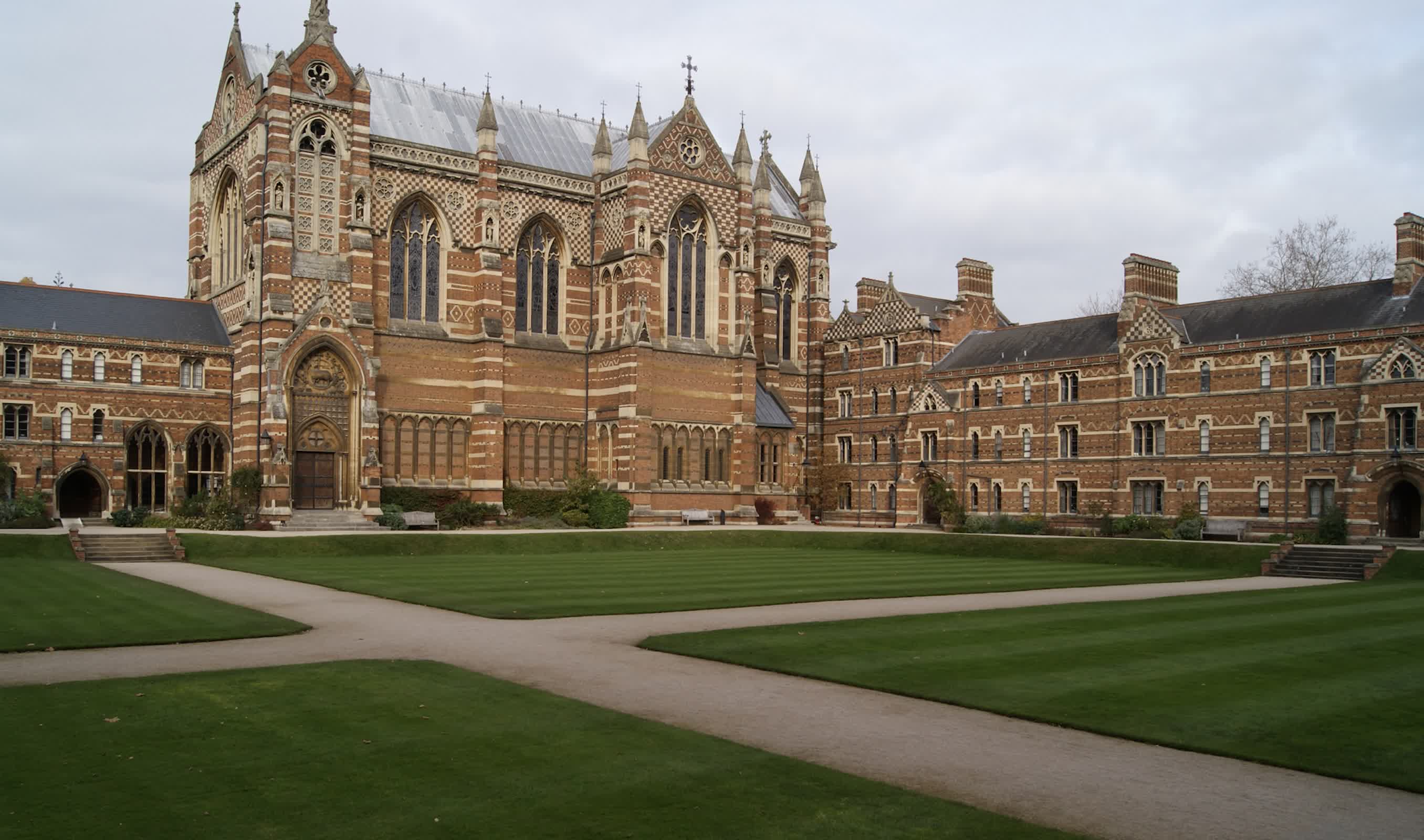
As he maneuvers in the US media industry, Ellison has also been attempting to cement his legacy through science and philanthropy. He is funding the Ellison Institute of Technology at the University of Oxford, which he has described as his new philanthropic priority. The institute aims to blend research with commercialization, particularly in life sciences.
Yet the institute's internal operations have already faced challenges. John Bell, a highly regarded British scientist recruited last year to lead the effort, departed abruptly in September, just weeks after Ellison appointed Santa Ono, the former president of the University of Michigan, to what appeared to be a higher-ranking role. Ellison publicly said Bell and Ono would collaborate, but Bell soon announced that the project was "very challenging" and that he would no longer be involved.
Bell had initially praised Ellison's decision to invest in the United Kingdom. "We don't have anybody like him in the UK," he told The Times earlier this year. "And so to have him come here and say, 'I'm going to build my legacy here in the UK,' is an amazing step, actually. And he could have gone anywhere."
People close to the institute say Ellison has been directly engaged, personally attending meetings and pressing leadership on ways to commercialize scientific work. That hands-on approach, coupled with questions about Ellison's consistency in philanthropic ventures, has stoked unease within the organization.
Ellison's trajectory shows few signs of slowing as he enters his ninth decade. Once known more for racing yachts, buying fighter jets, and building luxury estates – including the Hawaiian island of Lanai – he is now aligning his considerable wealth with platforms that shape culture and public opinion. Whether his new ventures in media become an enduring pillar of his legacy remains unclear, but Ellison has marked a decisive turn toward industries where influence rivals fortune.