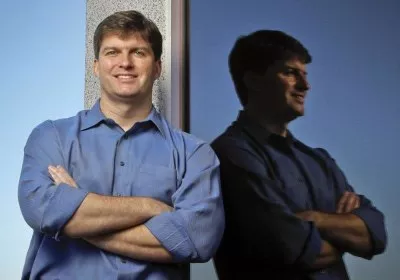

Apple's new CEO wants to move faster, cut jobs, and squeeze more out of services
Breaking from Cook's playbook, Apple could shift away from the traditional spring and fall release cycle
AMD just joined the $1 trillion club, beating Intel to the milestone
AMD's stock has nearly tripled this year
Arm faces shareholder backlash over CEO Rene Haas' "excessive" $800 million pay package
He must turn the chip designer into a $2 trillion company to receive the full amount
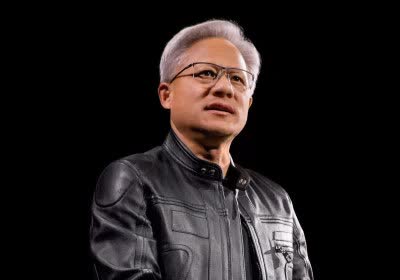
Nvidia's $63 billion stock portfolio is a map of its own supply chain
The chipmaker's 13F filing shows it now owns big pieces of the companies it sells to, builds with, and depends on
The takeaway: Nvidia's latest 13F reveals a $63.4 billion portfolio of US stocks, and it is very lopsided. Intel and SpaceX account for roughly 80% of it. But the filing's most interesting detail is what didn't happen: seven of the eight positions were untouched last quarter, but the portfolio more than tripled in value anyway.
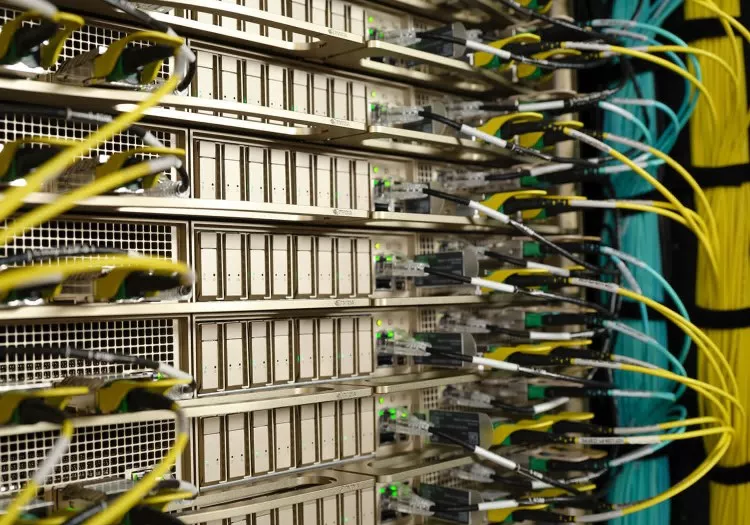
Nvidia may have just built its own hyperscaler without owning a single data center
The neoclouds are burning cash by the billion. Nvidia just lined up the money to keep them building
Why it matters: Nvidia has quietly assembled every piece of a cloud giant, and it doesn't even need to own the buildings. That is the theory making the rounds, and once you see it laid out, the last two years stop looking like a chip company having a very good run and start looking like a plan. The financing arrangement Nvidia signed this month with BlackRock, Goldman Sachs, and four other Wall Street heavyweights, aimed at funneling more than $500 billion of outside capital into AI data centers, would be the last piece clicking into place. Most outlets filed it under the now usual "more AI money" headline, but there is a more interesting read.
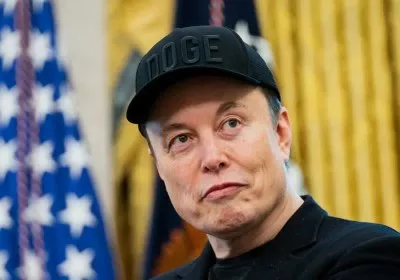
Elon Musk earned over 2.5 million times more than Tesla workers as CEO pay surged again
Excluding Musk, average S&P 500 CEO compensation still climbed 21% to $22.8 million
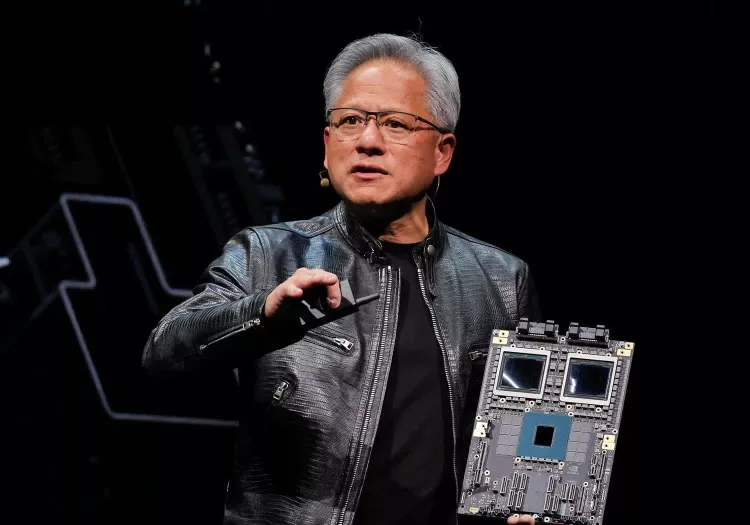
Nvidia's Jensen Huang joins X, defends Chinese AI: "Open-source models that are excellent should be used"
Big quote: Jensen Huang just spent a week watching his company's valuation get hit by the threat of a Chinese open-weight model. His response was to go on the record defending it. Speaking to Axios in Fort Worth, Texas, at the opening of a new phase of the Wistron plant that builds Nvidia's AI infrastructure, the Nvidia CEO said American companies should "absolutely" be free to run Chinese models. "These Chinese models are excellent," he said. "Open-source models that are excellent should be used." Asked whether China could displace American labs, he was blunt: "Zero possibility."

Amazon, Meta, Microsoft, and other US tech giants are hiding $1.65 trillion in AI debt
Ripple effect: Amid growing talk of an AI bubble, a study by Japanese market analysts has found that five of the largest American technology companies are carrying a collective "hidden" debt of over $1.65 trillion, driven largely by massive spending on AI infrastructure. That undisclosed sum exceeds the $1.35 trillion the same companies have officially reported on their balance sheets, and it has grown eightfold over the past four years.
Microsoft's new EU disclosure shows exactly how tech giants separate profits from where the work happens
Microsoft booked 40% of its profits in Ireland, where only 3% of its employees work
Jensen Huang's signed leather jacket could sell for up to $60,000 at charity auction
The auction estimate puts Huang's jacket in the same ballpark as some Nvidia AI hardware
In brief: These days Jensen Huang is better known for turning Nvidia from a beloved gaming company into a somewhat disliked AI supercorporation. But he used to get a lot of attention for his leather jacket. Now, one of those famed items of clothing is going up for auction, and it's expected to raise $40,000 to $60,000 – for charity, of course.
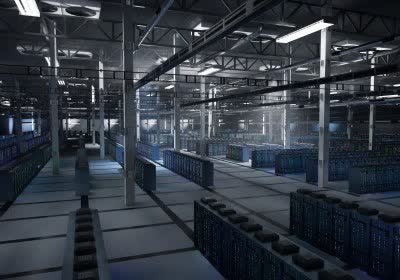
Big Tech's $8 trillion AI bet is making consoles, cars, and electricity more expensive for everyone else
The cost of artificial intelligence is now showing up in the inflation data

Trump threatens 100% tariffs on any country imposing digital services taxes on US tech firms
France, which already charges a 3% levy on digital ad revenue, is now proposing to double it
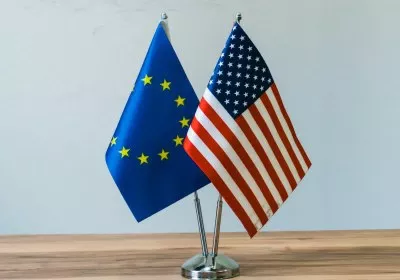
Europeans are starting to see US tech as a privacy risk, survey claims
Digital sovereignty is shifting from a Big Tech policy debate to a consumer concern
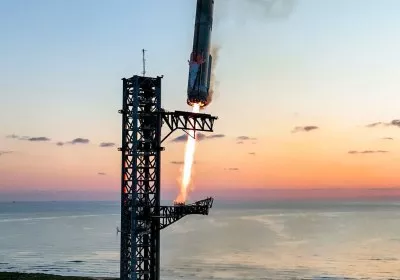
SpaceX goes public in the largest IPO ever, and Musk crosses the trillion-dollar line
What $135 (or more) a share buys: a rocket business, Starlink, and a very, very large bet on AI
Why it matters: The largest IPO in history did two things at once: it made Elon Musk the world's first trillionaire, and it quietly converted a privately held rocket company into a stock that millions of investors may soon own whether they chose to or not. SpaceX isn't asking Wall Street to price its launches or its satellites. It's asking the market to bet that a rocket company is on its way to becoming one of the most valuable AI companies on Earth, and to start paying for that future today.
In Hindsight: Tech Quotes That Got the Future Right and Wrong
Tech leaders love predicting the future. Sometimes they nail it, sometimes they miss spectacularly, and sometimes they leave behind quotes that only get better with age.


Tech executives are suffering from "AI psychosis," says Box CEO
Your CEO is vibe-coding prototypes and calling it an AI strategy
TL;DR: A growing backlash against the forced adoption of AI is building across the industry, but enterprise executives remain as bullish as ever on the LLM-driven future. According to at least one prominent tech leader, that enthusiasm may signal how out of touch those at the top have become.
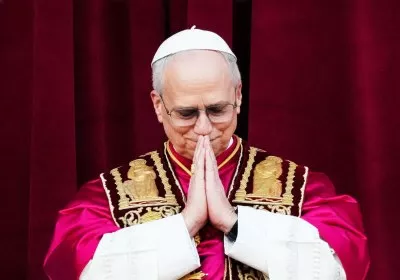
Pope Leo XIV says humanity needs to disarm AI before it's too late
The pope, an Anthropic co-founder, and a warning about what's happening inside AI models nobody fully understands
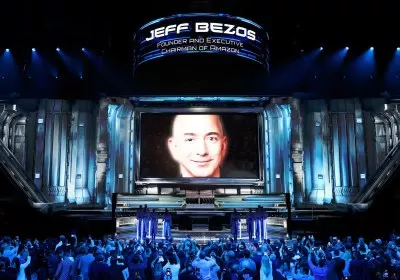
Jeff Bezos isn't worried about the AI bubble: "the good ideas will pay for all of the losers"
The Amazon founder argues speculative AI spending could leave behind infrastructure and breakthroughs long after investors take losses
Sounding off: Concerns over an AI bubble have intensified as OpenAI, Anthropic, Google, Microsoft, and Amazon collectively pour hundreds of billions into data centers, chips, and model development. But Jeff Bezos believes that even if the boom collapses financially, the long-term technological gains could still justify the frenzy. His comments arrive at a moment when OpenAI alone is reportedly valued at $852 billion and looking to IPO, underscoring just how unprecedented the AI spending race has become.
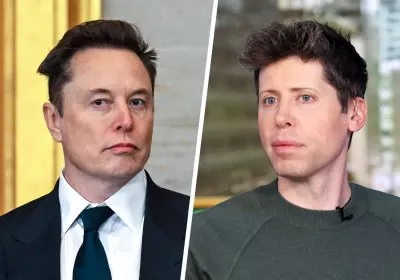
Elon Musk loses OpenAI trial after jury says he waited too long to sue
Musk says the ruling was a "calendar technicality" and plans to appeal
What just happened? Elon Musk isn't accustomed to losing, but the world's richest man just felt the sting of defeat in his trial against OpenAI, CEO Sam Altman, and President Greg Brockman. A federal jury said that Musk had waited too long to file his suit, which accused the defendants of violating an agreement to keep OpenAI as a charitable non-profit organization.
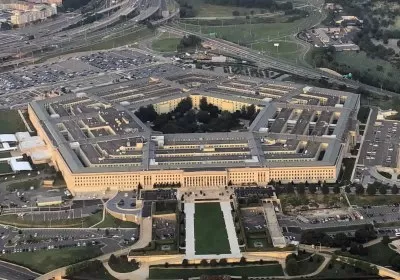
The Pentagon just signed AI deals with OpenAI, Google, Microsoft, and Nvidia - and cut Anthropic out entirely
The US military is bringing AI into classified environments, and it has a very specific list of who's in and who's out
Big Tech killed California's anti-self-preferencing bill in a month
Senator Scott Wiener says lobbyists 'flooded the Capitol' with misinformation
Clicking "reject cookies" might not actually do anything
Google, Microsoft, and Meta largely ignore cookie opt-outs, independent audit says
Bottom line: Those annoying cookie-consent banners that have flooded the internet over the past several years are supposed to give users the option to block most tracking cookies from advertisers. However, a recent California audit claims that the largest ad tech companies usually send cookies anyway, having decided that simply paying potential billions in fines is more profitable.
US warns EU over regulation, says fines on American tech giants could have consequences
Andrew Puzder says overregulation risks shutting Europe out of the AI race
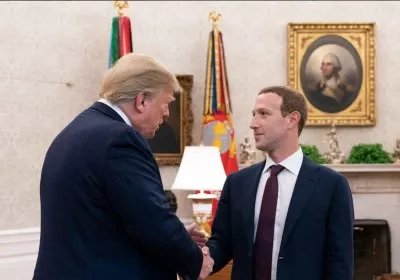
Trump names Jensen Huang, Mark Zuckerberg, and Sergey Brin for tech advisory council
The new council signals a closer alignment between Washington and Big Tech