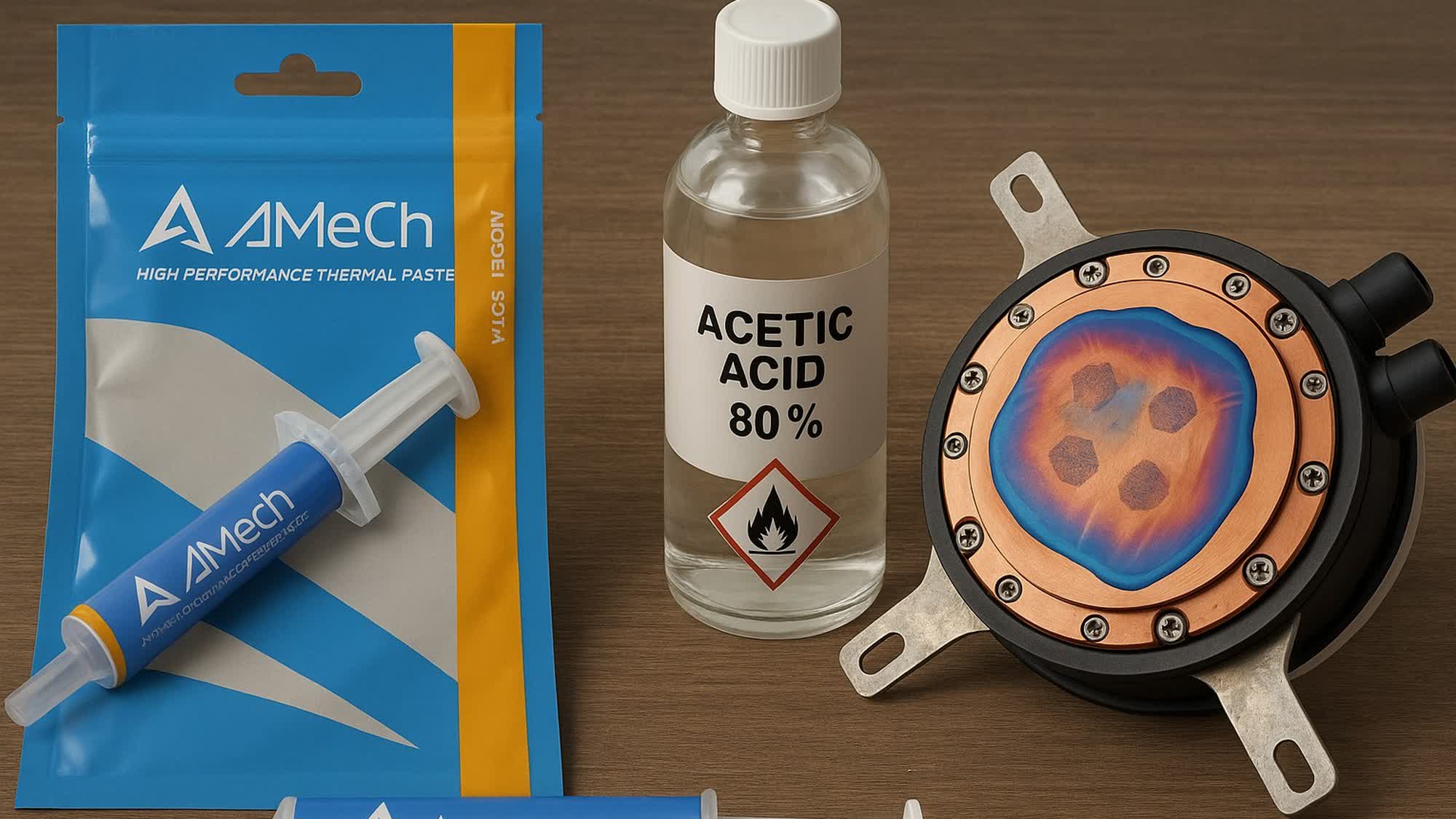
WTF?! Thermal paste improves heat transfer between a CPU and its heatsink, helping prevent overheating that can throttle performance or damage hardware. While some products perform as advertised, others can be largely ineffective. A new investigation now suggests that one popular thermal paste may actually destroy processors and render them unusable.
According to PC hardware expert and IgorsLab founder Igor Wallossek, the SGT-4 thermal paste sold by the South Korean company Amech contains an unstable, reactive compound that is damaging CPUs and coolers by corroding their metal surfaces. The resulting corrosion causes pitting and can permanently fuse the processor to the heatsink.
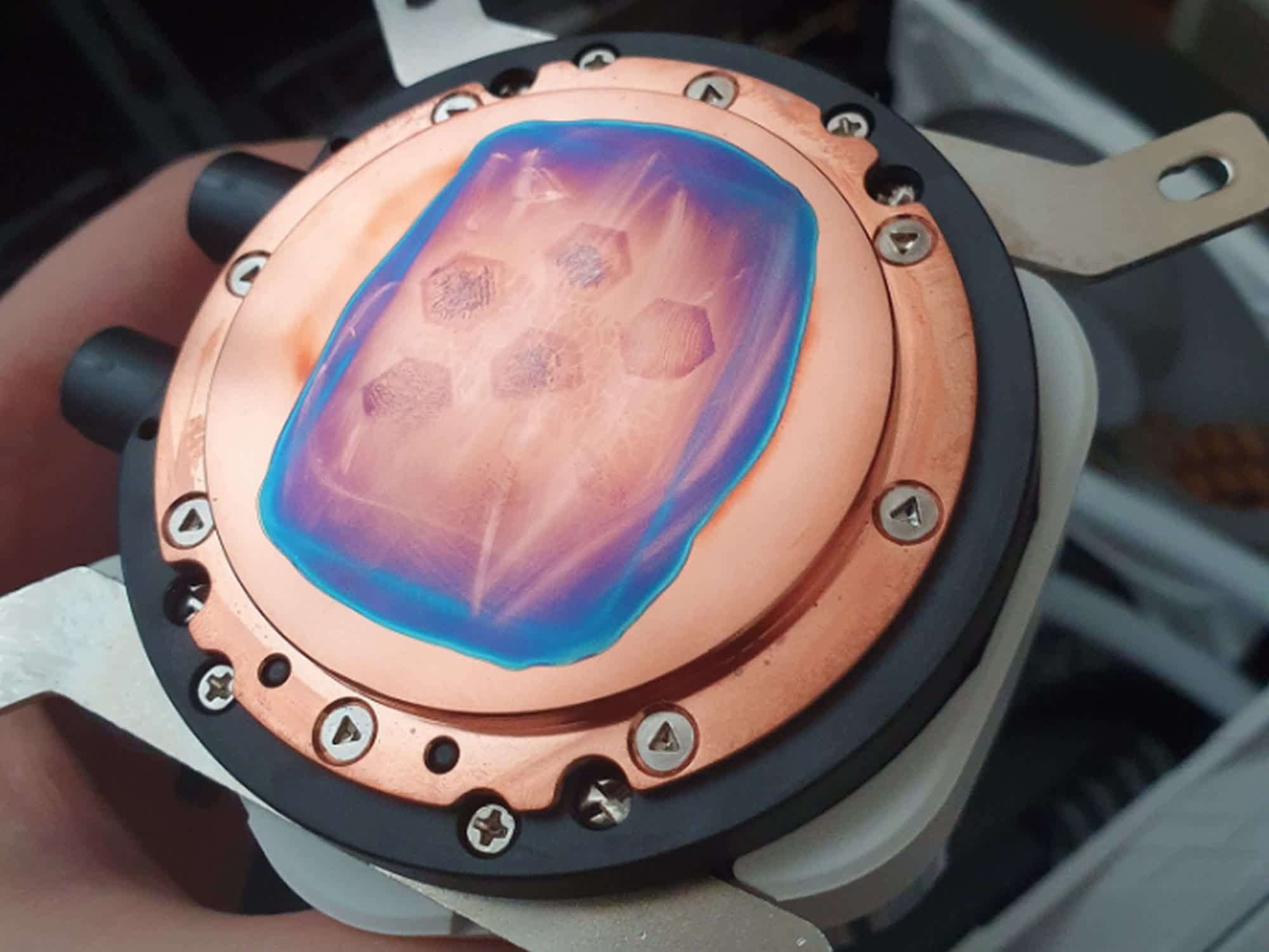
The thermal interface material reportedly emits a highly unpleasant odor, which Igor describes as putrid and vinegar-like. The paste also fails to meet its thermal rating because the pitting creates additional air gaps on the CPU and heatsink surfaces, reducing heat transfer efficiency.
Wallossek's analysis revealed that SGT-4 uses PMDS as its base, but instead of standard silicone, it incorporates an acetoxy-crosslinked RTV silicone. He believes the additive is methyltriacetoxysilane – a highly reactive compound that releases acetic acid when exposed to moisture, causing copper oxidation and producing the vinegar-like odor.
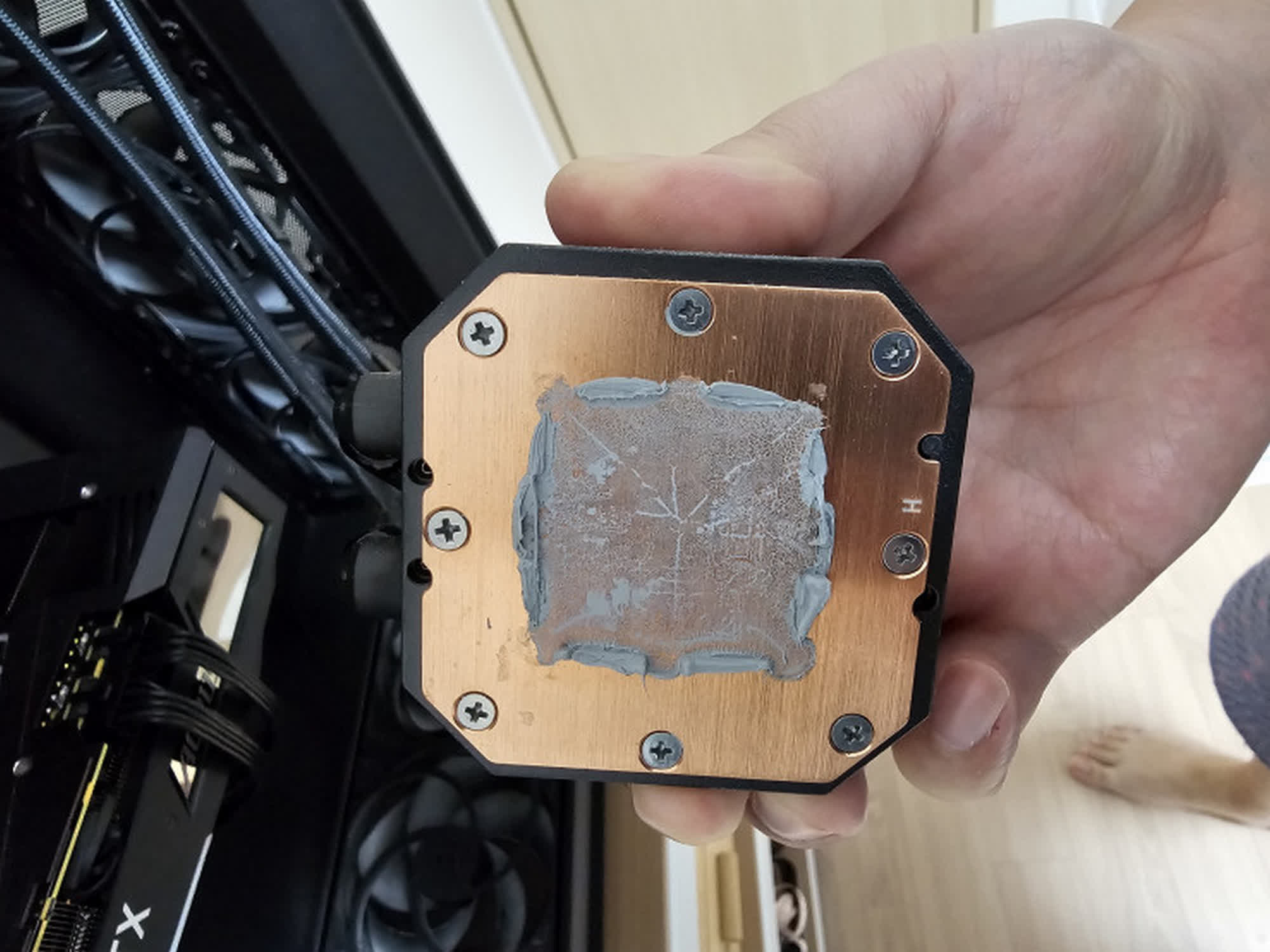
Partial cross-linking also causes the paste to harden over time, becoming sticky and bonding the processor to the heatsink so tightly that it requires "an immense separating force" to separate the two surfaces.
Wallossek believes that the methyltriacetoxysilane increases the grease's adhesiveness, but the company likely did not test the product thoroughly before releasing it to the market.
Complaints about Amech's SGT-4 have appeared on the South Korean public forum Quasar Zone, where users reported similar issues and metallurgy experts corroborated Wallossek's findings. However, Amech dismissed the reports as baseless, insisting that the product contains no hazardous substances and complies with all regulatory standards.
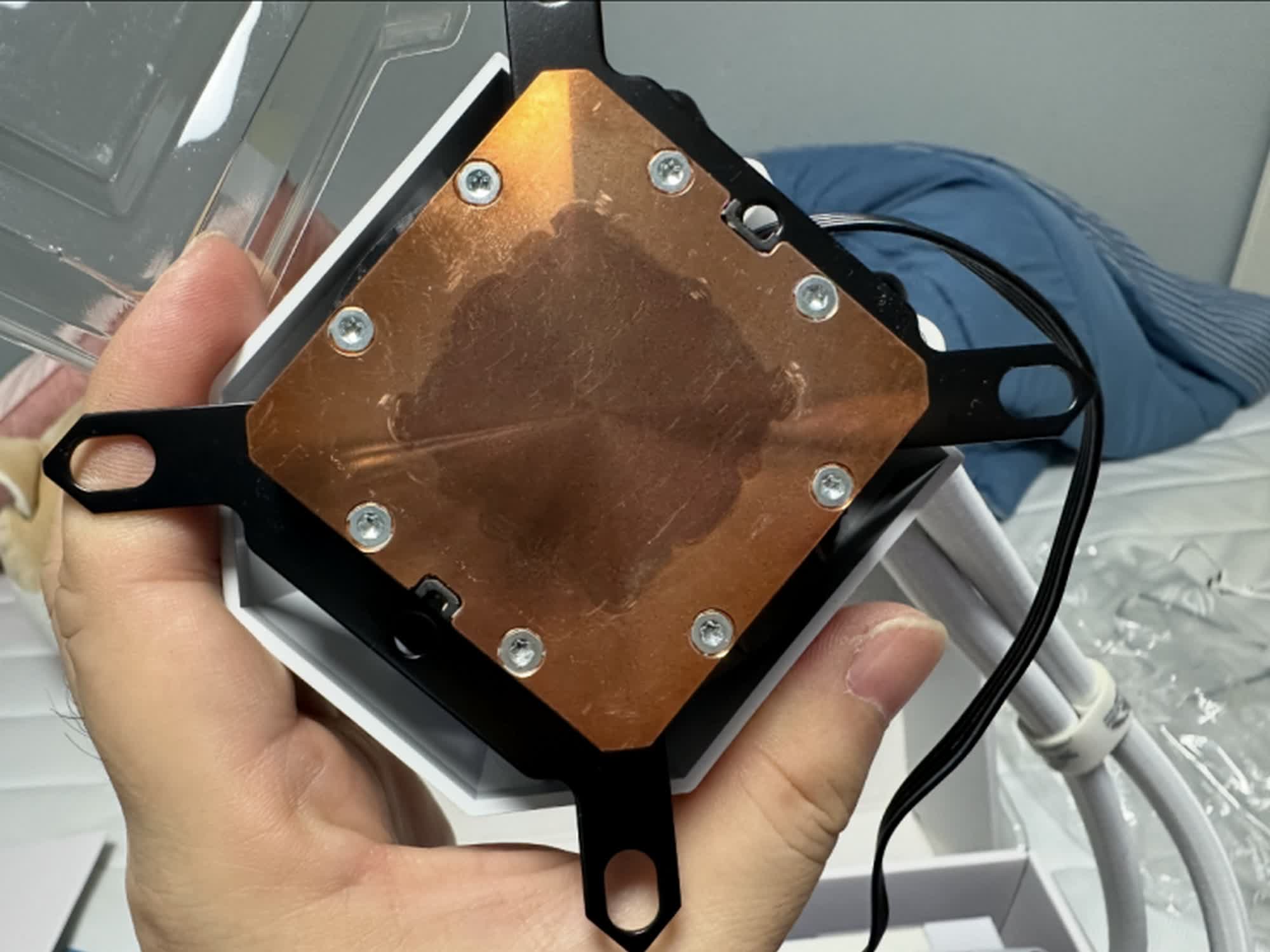
Amech representatives also dismissed Wallossek's allegations as unfounded and directed personal attacks at others who raised complaints. Instead of addressing the actual claims, they cited European environmental certificates, which bear no relevance to the corrosion issue.
Little is known about Amech beyond the fact that it is a relatively new brand. The company has no official website, no professional email domain, and no confirmed business address, raising further questions about its legitimacy. As for the SGT-4, it remains unclear whether engineers in South Korea developed the product or if it is a rebranded Chinese item.
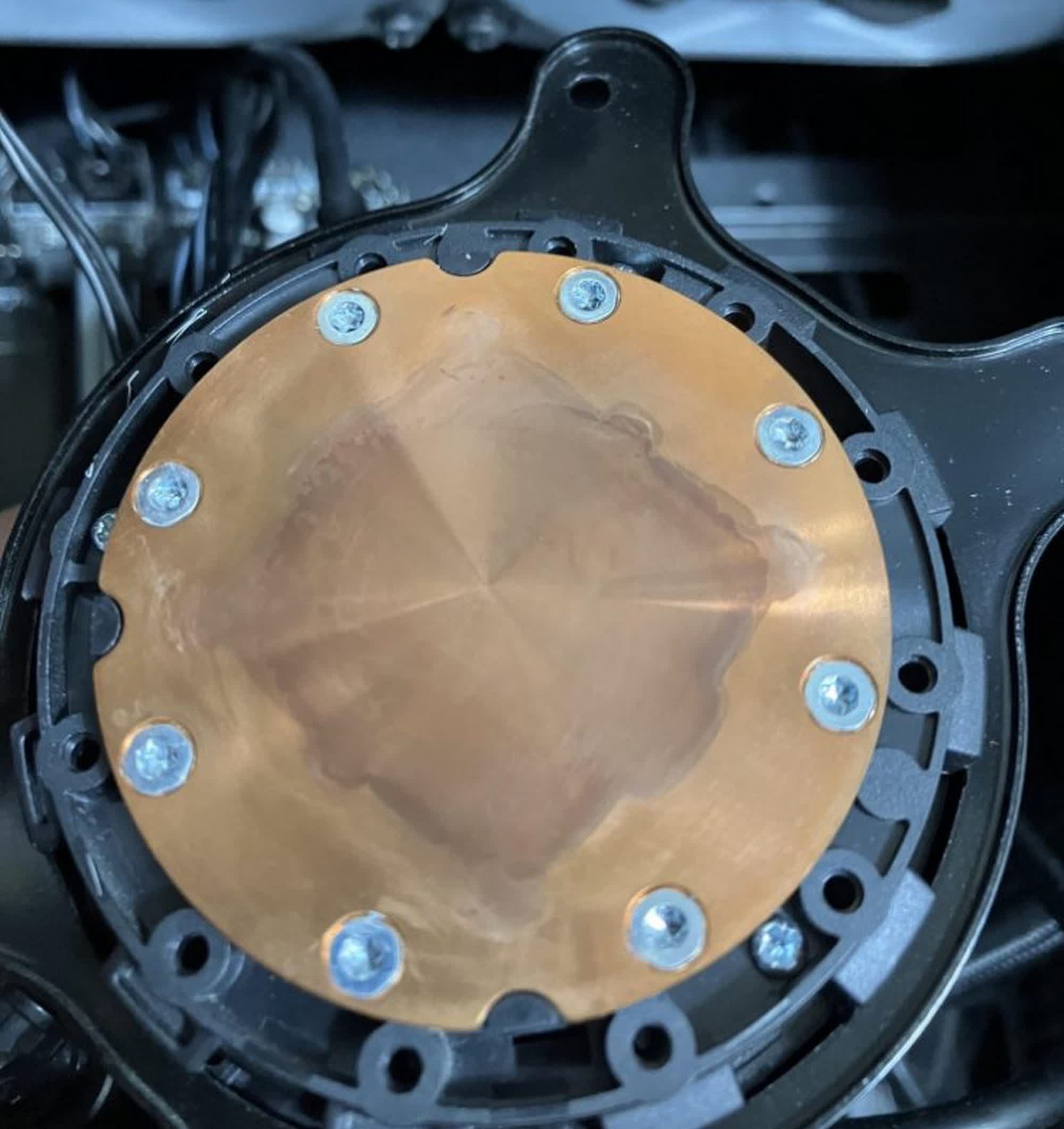
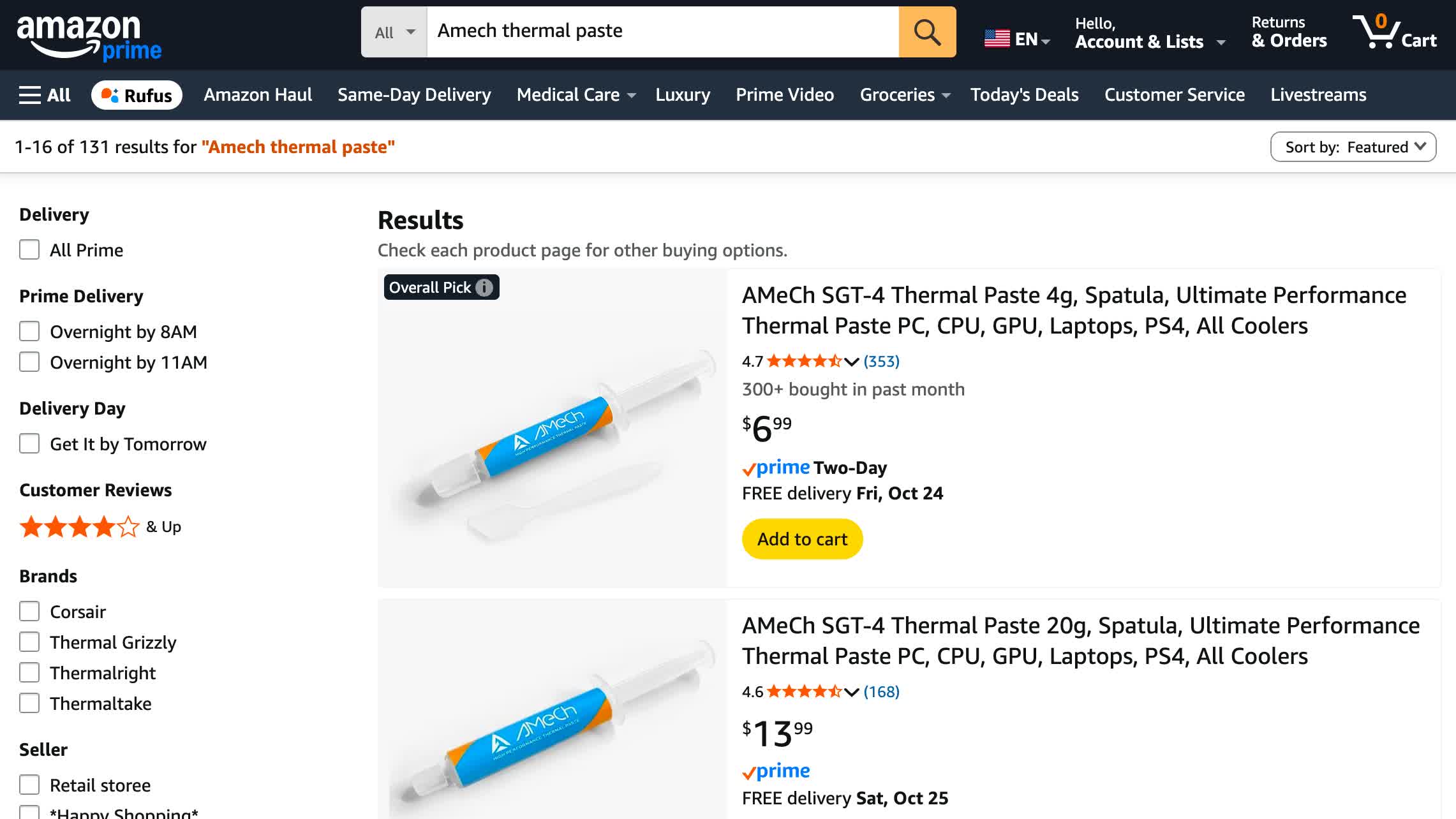
Despite these concerns, Amech's SGT-4 remains widely available on Amazon and Newegg, where it holds a relatively high rating that could lull buyers into a false sense of security. If you are searching for an effective and safe thermal paste, consider proven products such as Thermal Grizzly Kryonaut, Arctic MX-6, or Noctua NT-H2, all of which provide excellent performance without risking CPU damage.