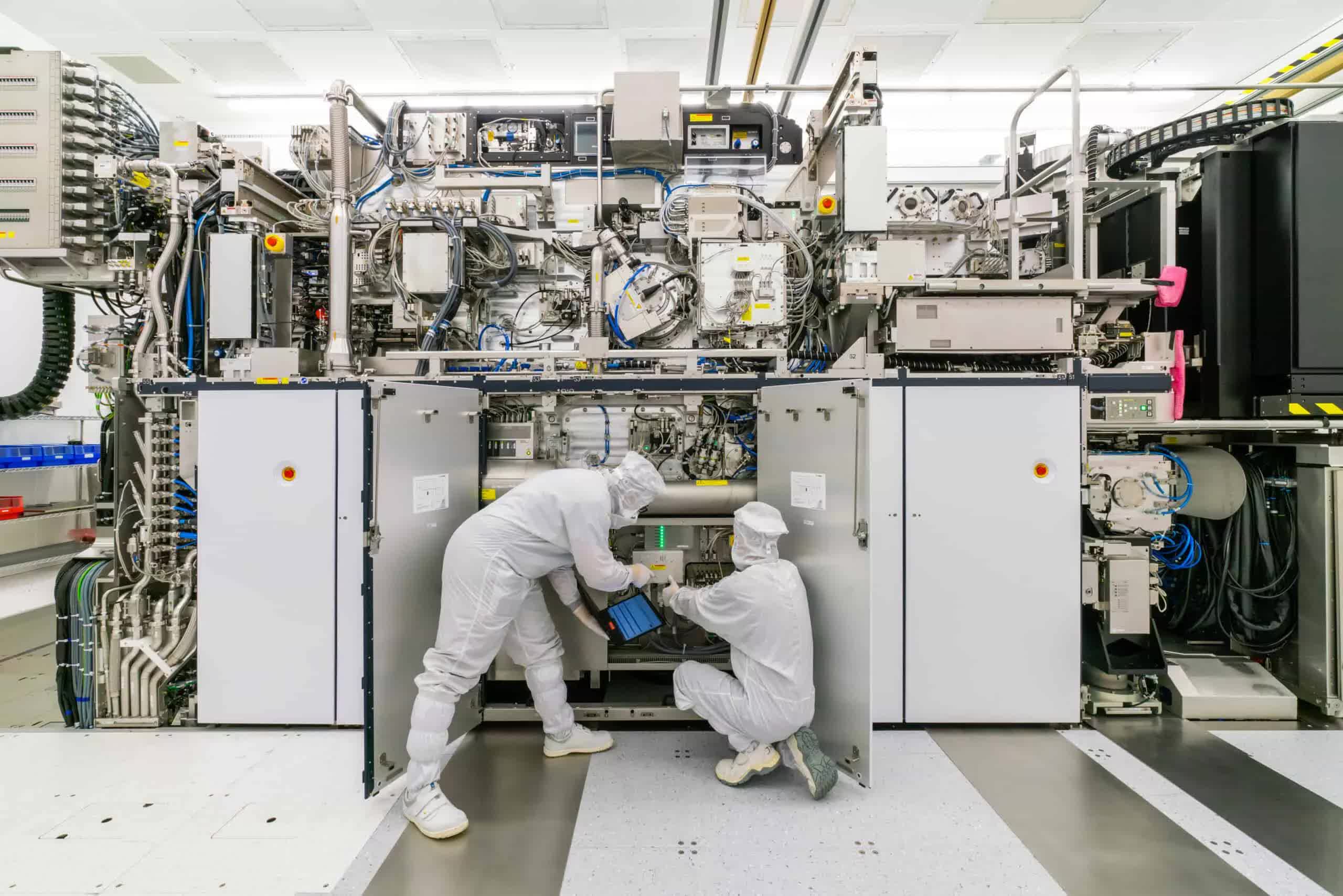
In context: ASML Holding is the Dutch company that develops the world's most advanced chip manufacturing machines. Many are attempting to replicate ASML's technology, but, if the rumors coming from China are to be believed, they still have a long way to go.
An unnamed Chinese entity attempted to study the inner workings of some older ASML Deep Ultraviolet (DUV) lithography machines, but the effort ultimately failed. According to local sources cited by security editor Brandon Weichert, Chinese technicians are desperate to understand how ASML machines operate, aiming to build their own chip manufacturing capabilities.
The technicians weren't just interested in mass-producing these older devices, Weichert noted in a recent opinion piece. Their ultimate goal is to replicate ASML's "magic" with local machines and eventually develop more advanced lithography systems to accelerate China's position in the global race for chip supremacy and AI technology.
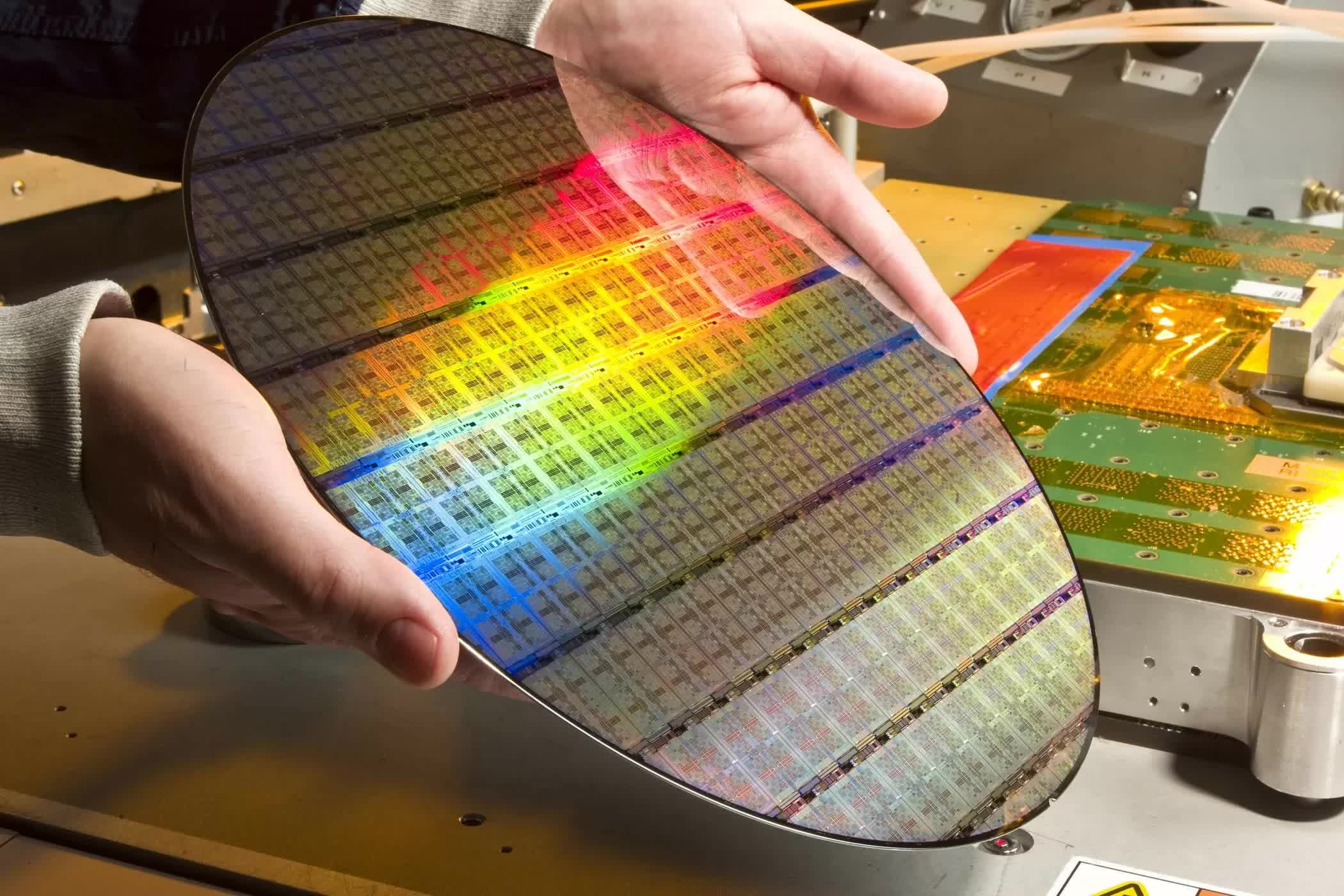
During the disassembly process, the Chinese team reportedly broke the DUV machine and had to call ASML for support. Dutch engineers traveled to China to fix the device and quickly discovered that the local staff had attempted to take the machine apart and reassemble it on their own.
Weichert speculates that the incident highlights just how damaging US tariffs and export restrictions have been to China's chipmaking capabilities. ASML produces the most advanced lithography machines available to any foundry company, a position that is likely to remain unchanged for the foreseeable future.

Despite being based in Europe, ASML has become a significant factor in the US-China trade war that began under Trump's administration. While attempts to steal engineering secrets from the company are not new, disassembling a DUV machine to study its inner workings represents a far more extreme and risky effort.
Before the implementation of Trump-era tariffs, China invested heavily in acquiring older chipmaking equipment. Now, with no legal path to import cutting-edge devices, the country is reportedly resorting to drastic measures – such as breaking fully functional machines – to understand their technology.
Weichert traces China's decades-long journey toward economic prominence, highlighting how companies and entrepreneurs have historically acquired or copied innovations from more technologically advanced countries. Today, these same actors are attempting to replicate the high-end manufacturing capabilities of Western nations to expand profits while advancing China's strategic position in the global chip and AI industries.