Editor's take: Digital sovereignty is no longer just a political talking point – it's becoming a defining fault line in global technology. As Washington flexes its influence through policy and platform control, European institutions are increasingly asserting independence, turning to homegrown software to protect their autonomy.
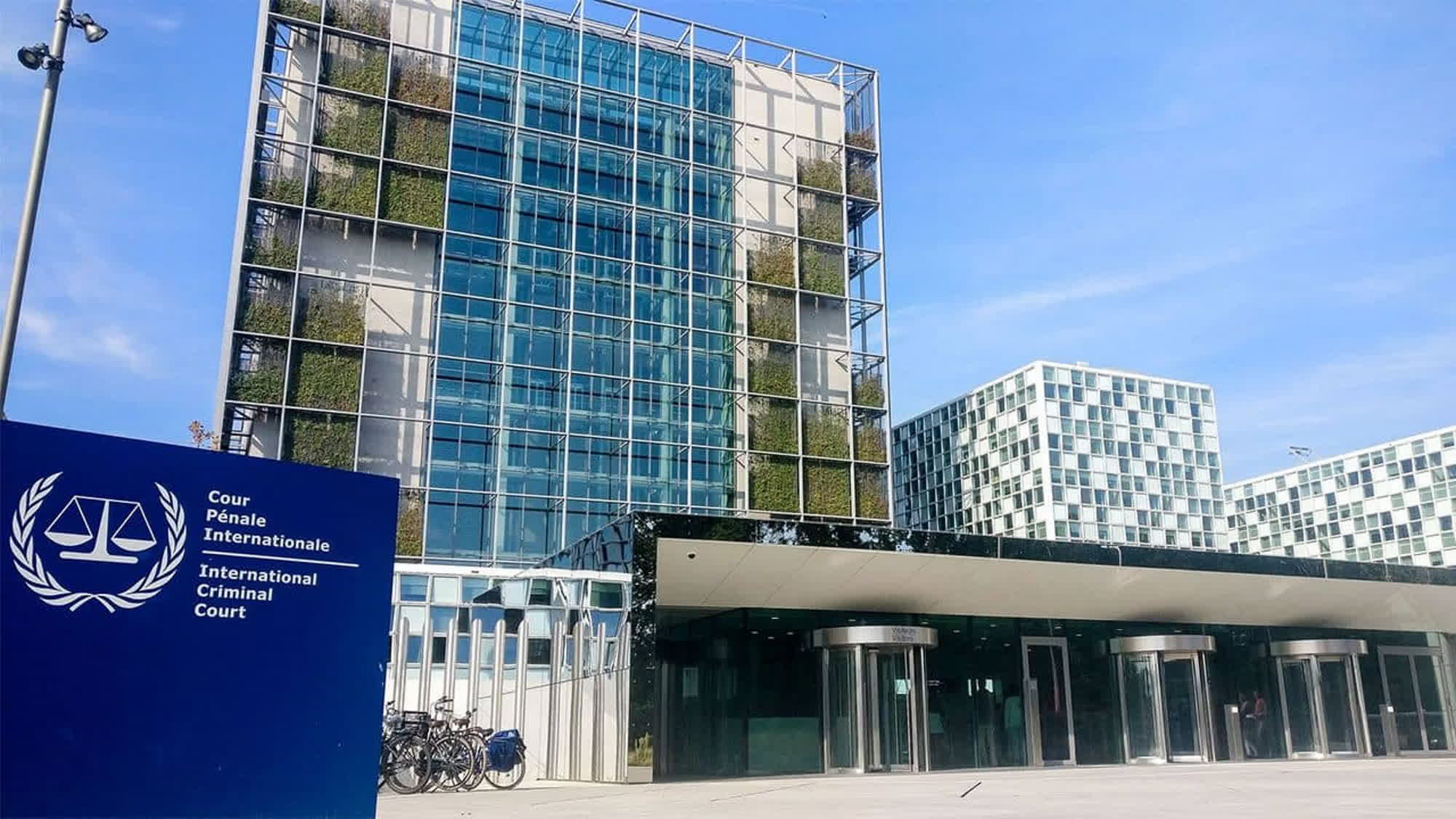
The International Criminal Court (ICC), based in The Hague, is shifting from Microsoft Office to a European alternative. The organization confirmed it will adopt the OpenDesk platform to manage its software and collaboration needs moving forward.
The shift underscores the widening divide between EU-based organizations and US software providers. Big Tech and other major industry players have adopted a more partisan stance during the second Trump administration, prompting the ICC and other public institutions outside the US to seek local alternatives.
Digital sovereignty in the European Union is no longer just a theoretical issue, especially for the ICC. According to unconfirmed reports, Microsoft deleted the email account of Karim Khan, the court's Chief Prosecutor, along with those of other officials, after the Trump administration imposed new sanctions targeting the ICC. Microsoft later denied the allegations.

A Microsoft spokesperson responded to the ICC's plan to replace Office by emphasizing the "valued" relationship the company maintains with the court. The company denied the sanction rumors, saying nothing prevents it from continuing to provide software and productivity services to the ICC now or in the foreseeable future.
OpenDesk is a customizable office suite built to be "sovereign" from the start. Developed by the German Centre for Digital Sovereignty (ZenDiS), the platform aims to provide a secure environment for enterprise productivity and team collaboration. Its suite of tools currently includes Calendar, Chat, Contacts, Email, Docs, and other familiar components for creating a fully digital workspace.

The German government established ZenDiS in 2022 as a publicly owned company to address Germany's – and the EU's – growing demand for digital autonomy in the public sector. The organization is also collaborating with French authorities to develop a homegrown alternative to Google Docs.
While Microsoft urges ICC officials to reconsider replacing Office, tensions are likely to escalate in the coming months and years. A day before the international court confirmed the OpenDesk adoption, ZenDiS announced a new European consortium to build a sovereign digital infrastructure. The company will collaborate with partners in France, Italy, and the Netherlands to widen the digital rift between US authorities and their European counterparts.