
Bottom line: As hype over artificial intelligence continues to influence corporate strategy, many organizations that trimmed staff amid an uncertain economy are quietly adding them back. New data from workplace analytics firm Visier shared with Axios shows that companies are rehiring a growing share of the same employees they laid off – a sign that automation technologies are not yet replacing workers at the scale some executives anticipated.
Visier analyzed employment data from 2.4 million workers across 142 companies worldwide. About 5.3 percent of employees who were laid off later returned to their previous employer, a rate that has held steady for several years but has recently begun to rise.
Andrea Derler, principal at Visier, said the data suggests many organizations are confronting the practical realities of what AI tools can – and cannot – do. She described artificial intelligence as a convenient explanation for layoffs but not yet an entirely justified one.
The trend underscores a mismatch between expectations for technology and operational outcomes. While AI-powered agents and digital workforce systems are expanding across industries, Visier's findings suggest that these systems rarely replace entire jobs outright. Instead, they tend to automate parts of tasks, often leaving companies short of the human expertise needed to manage or complement new tools. That gap has led some firms to bring back experienced workers as the costs and complexities of AI integration mount.
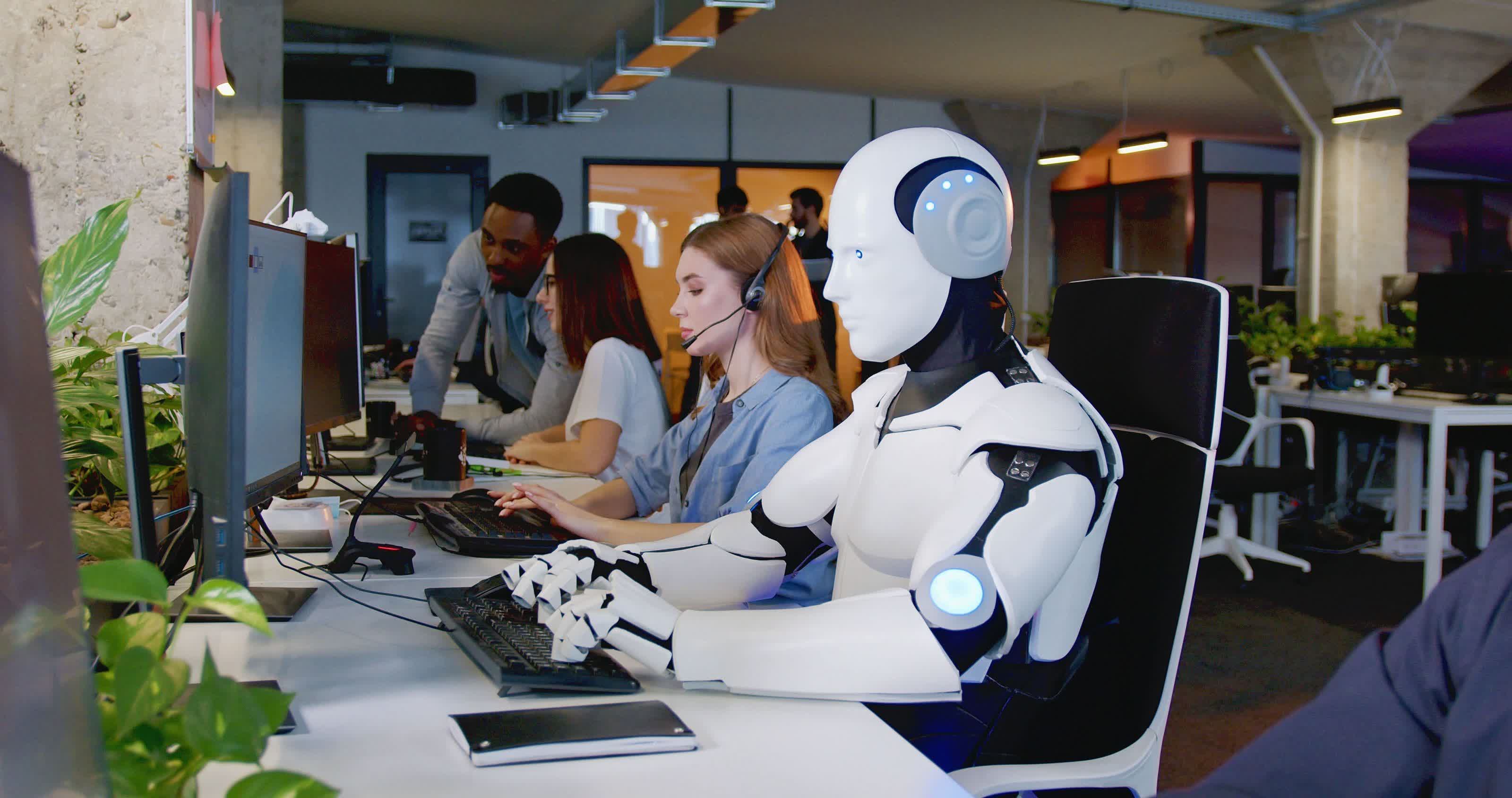
Derler said many senior executives simply have not had time to evaluate the actual costs of large-scale AI deployment or to determine which roles can realistically be automated. Implementing AI infrastructure – hardware, data systems, and security frameworks – requires major capital spending. These costs often exceed early projections, forcing management teams to reconsider the actual return on investment relative to retaining skilled employees.
Her comments align with research from MIT, which shows that about 95 percent of organizations have yet to realize measurable financial returns from their AI investments. Steve Sosnick, chief strategist at Interactive Brokers, said recent spending patterns in the sector suggest that "maybe all this money is not actually being spent all that wisely."
Even standard cost-cutting moves such as layoffs have hidden consequences. Data from Orgvue, a workforce planning software platform, estimates that companies spend roughly $1.27 for every $1 they save from workforce reductions. That figure includes severance, unemployment insurance, and other indirect expenses that can temporarily offset payroll savings.
Derler said these findings point to a larger planning gap that many executive teams must address quickly. Layoffs can provide short-term relief for balance sheets or investor optics, but they rarely simplify long-term workforce or technology strategies. Ultimately, organizations that misjudge the savings potential of AI may find themselves calling back the very talent they had let go.