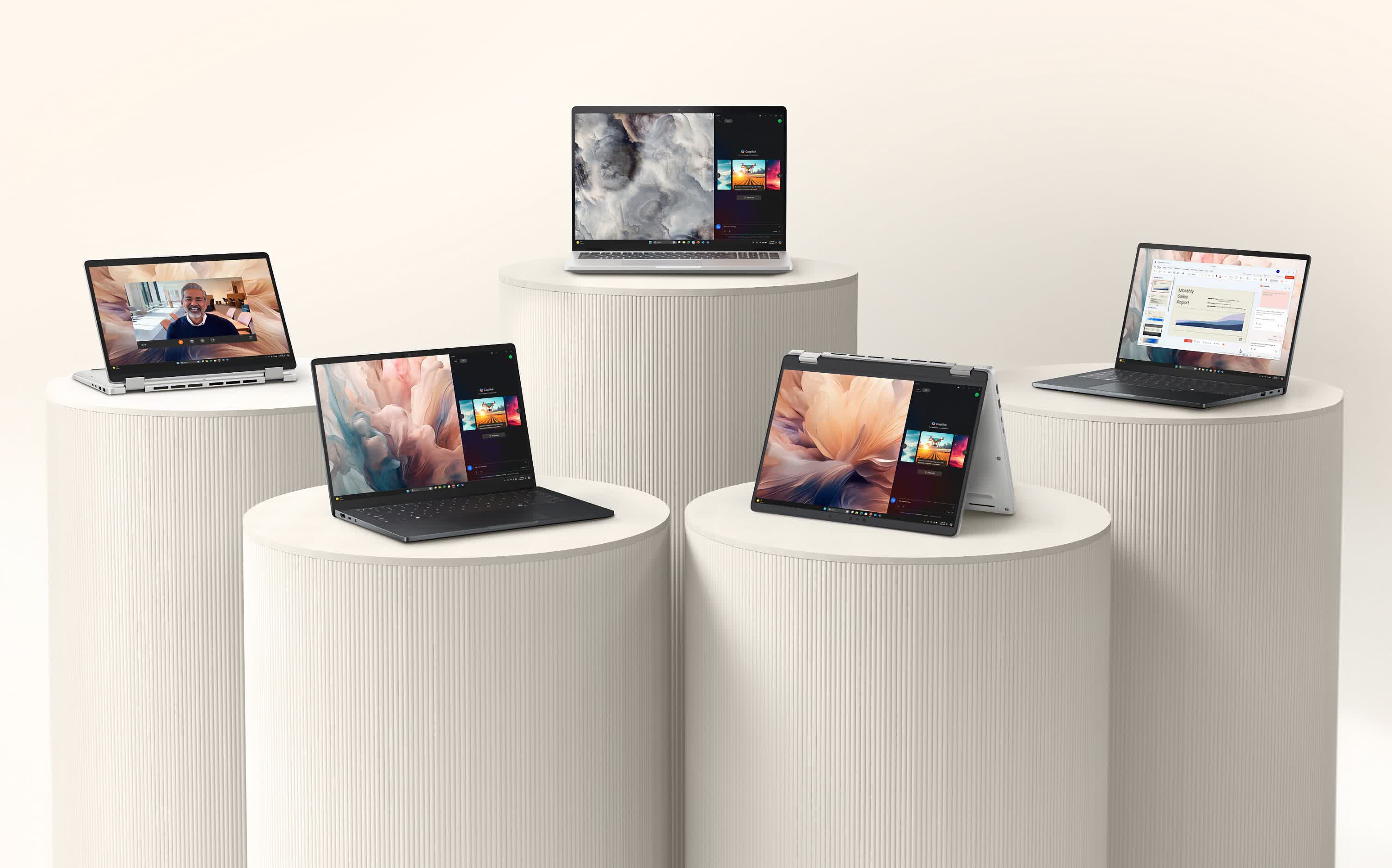
Facepalm: Users experiencing issues with certain videos not playing on Dell or HP laptops running recent CPUs might not realize that both companies have recently disabled H.265 video encoding and decoding. The decision, likely aimed at reducing licensing costs, could complicate video streaming, editing, and other related tasks.
Users on various forums have been troubleshooting video playback errors on newer Dell and HP laptops over the past few weeks. While the specific issues vary, recent software decisions by both OEMs appear to be the root cause in all cases.
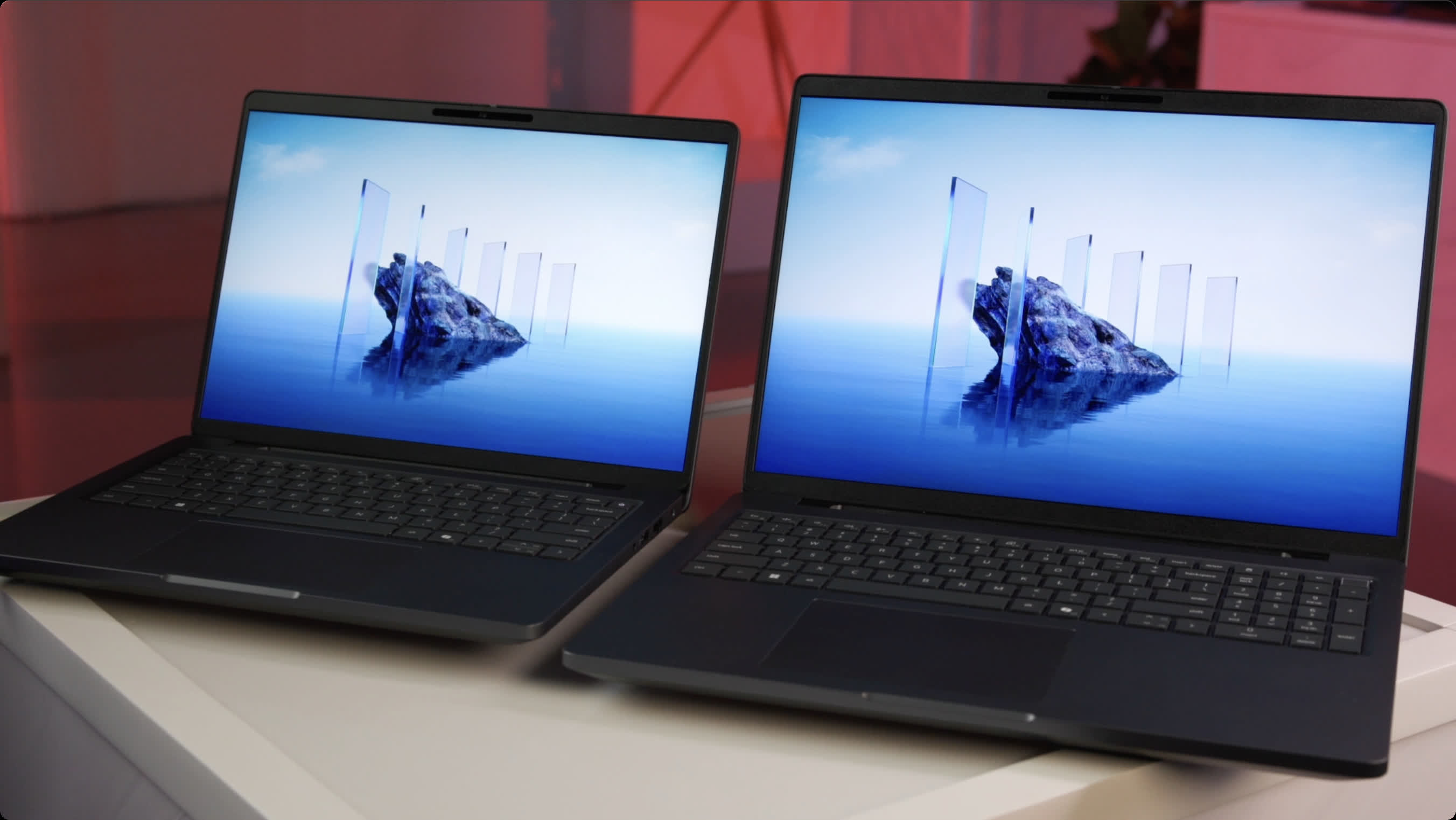
Complaints have come from users of models including the Dell Pro 16 Plus, Dell Pro 14, Latitude 7350, HP ProBook 460 G11, ProBook 465 G11, EliteBook 665 G11, and other similar business laptops. The affected devices generally feature Intel Core Ultra 100V and 200V CPUs.
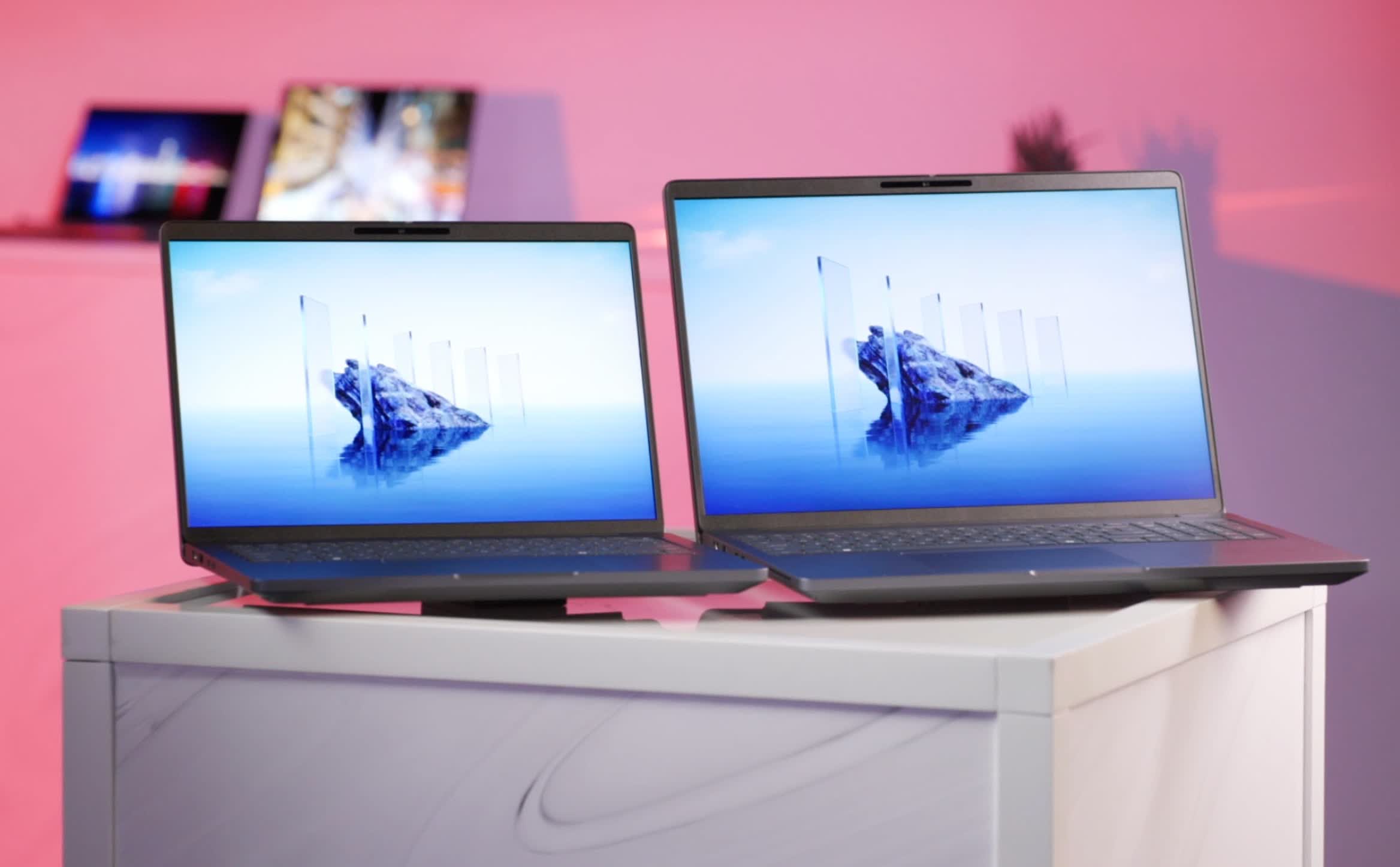
For some , video playback works only in certain web browsers or in VLC Media Player, while others reported disrupted functionality across all applications. The HEVC test site, which streams a variety of content in the format, can help users determine whether their system is impacted.
Many users spent weeks troubleshooting the issue because Dell and HP disabled HEVC support on the affected integrated graphics chips without any public announcement. Instead, notices about the updates were buried in laptop spec sheets and support pages.
When reached for comment, both companies confirmed the change in statements to Ars Technica but did not provide a reason. HP said it disabled the HEVC codec hardware on the 600 Series G11, 400 Series G11, 200 Series G9, and other devices. Dell stated that the functionality is now included only on products with integrated 4K displays, discrete GPUs, Dolby Vision support, or CyberLink Blu-ray players.
HEVC, also known as H.265, is the successor to H.264 and handles video compression, enabling devices to play and encode high-quality video formats such as 4K, 8K, and HDR. Because using HEVC requires a licensing fee that some companies opted not to pay, certain devices may require users to purchase the HEVC Video Extensions codec from the Microsoft Store for $0.99. However, some users with affected Dell and HP laptops reported that this did not resolve the issue.
Licensing costs are set to increase in January, which likely prompted Dell and HP to disable HEVC support on select devices. The decision risks frustrating users who spent hundreds of dollars on PCs that previously included this functionality – particularly if they only learn about the change after a lengthy troubleshooting process or through media reports.