
Cutting corners: As memory and storage prices skyrocket due to the AI industry's insatiable demand, plenty of consumers are understandably hunting for discounts wherever they can find them. But ongoing NAND and DRAM shortages have created the perfect conditions for scammers pushing bogus drives, which are becoming more difficult to detect.
Fake SSDs used to be easy to catch. Operating systems or common diagnostic tools would quickly expose them as something other than what the sticker claimed. Today's counterfeits, however, are far more convincing, often looking legitimate until buyers start noticing performance that feels way off.
The latest cautionary tale comes from a Reddit user (below) who thought they'd scored a 2TB Samsung 990 Pro for ₹19,000 (around $205) from a PC peripherals distributor. On its face, the purchase was risky – scams are far more common with third-party sellers. However, this one had sold legitimate products thus far, leading the buyer to take a chance on a deal that was too good to be true.
Beware of Fake Samsung 990 PRO SSDs
byu/xox-lover inIndianGaming
At first, everything looked normal. Windows File Manager, Disk Management, and CrystalDiskInfo all reported the SSD as authentic. But real-world performance told another story: file transfers never climbed above 20 MB/s. That's a glaring red flag for a drive that should deliver sequential read and write speeds of 7,450 and 6,900 MB/s, respectively.
Even after reinstalling the drive, updating drivers, and flashing a new BIOS, only Samsung's own Magician software finally flagged the SSD as counterfeit. The case is a reminder that users should always verify new PC components with diagnostic software from the manufacturer or trusted developers, especially when purchased at a discount from third-party sellers.
And even then, detection isn't guaranteed. A similar incident involving a fake 980 Pro SSD in 2023 reportedly fooled Samsung's software entirely, with the scam only uncovered after delidding the SSD. Ultimately, benchmark utilities like CrystalDiskMark may be the most reliable last line of defense.
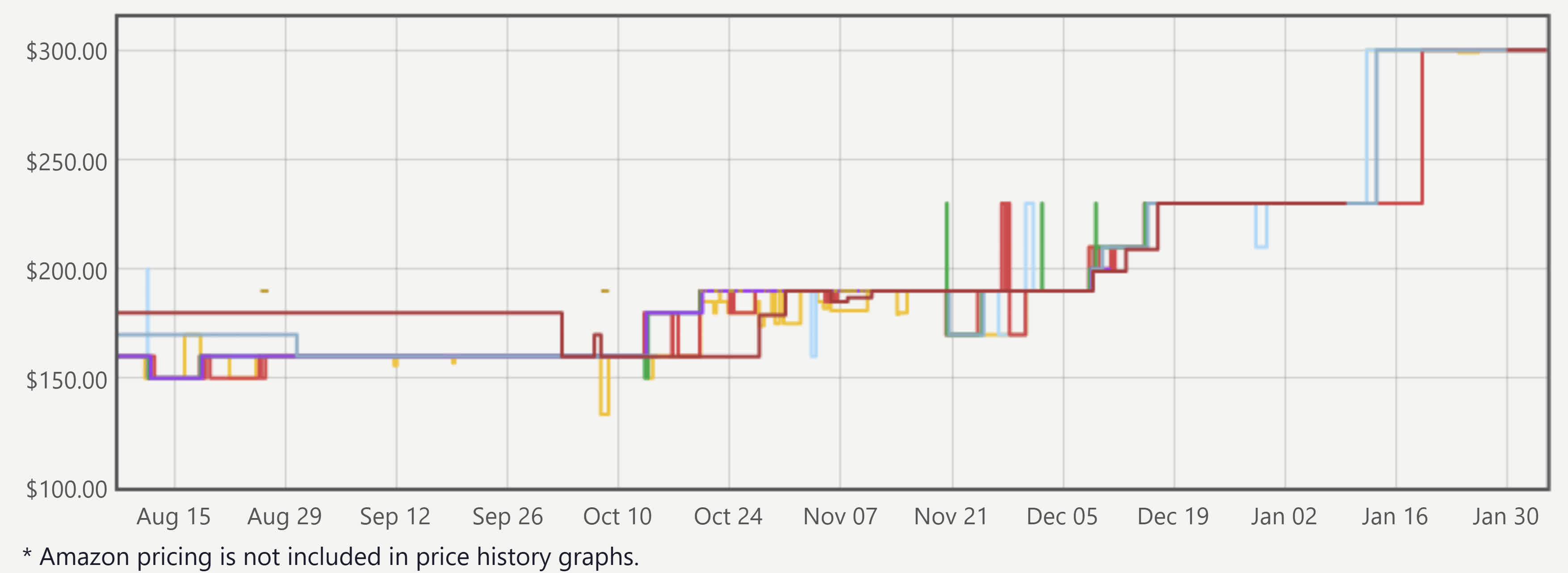
The appeal of these deals is only growing because pricing has become increasingly brutal. Samsung's 990 Pro, one of the most in-demand SSDs on the market, has more than doubled in cost since last October (shown above), jumping from under $150 to over $300.
With DRAM and NAND manufacturers diverting production away from consumers and toward AI data centers, scammers are more likely to hide slow, ultra-cheap NAND behind legitimate-looking packages and firmware.
The shortages have become so bad that the most expensive SSDs are now worth their weight in gold. At the other end of the spectrum, flash memory giant Kioxia recently warned that affordable 1TB SSDs under $50 have effectively vanished, and that the crunch may drag on through 2027.