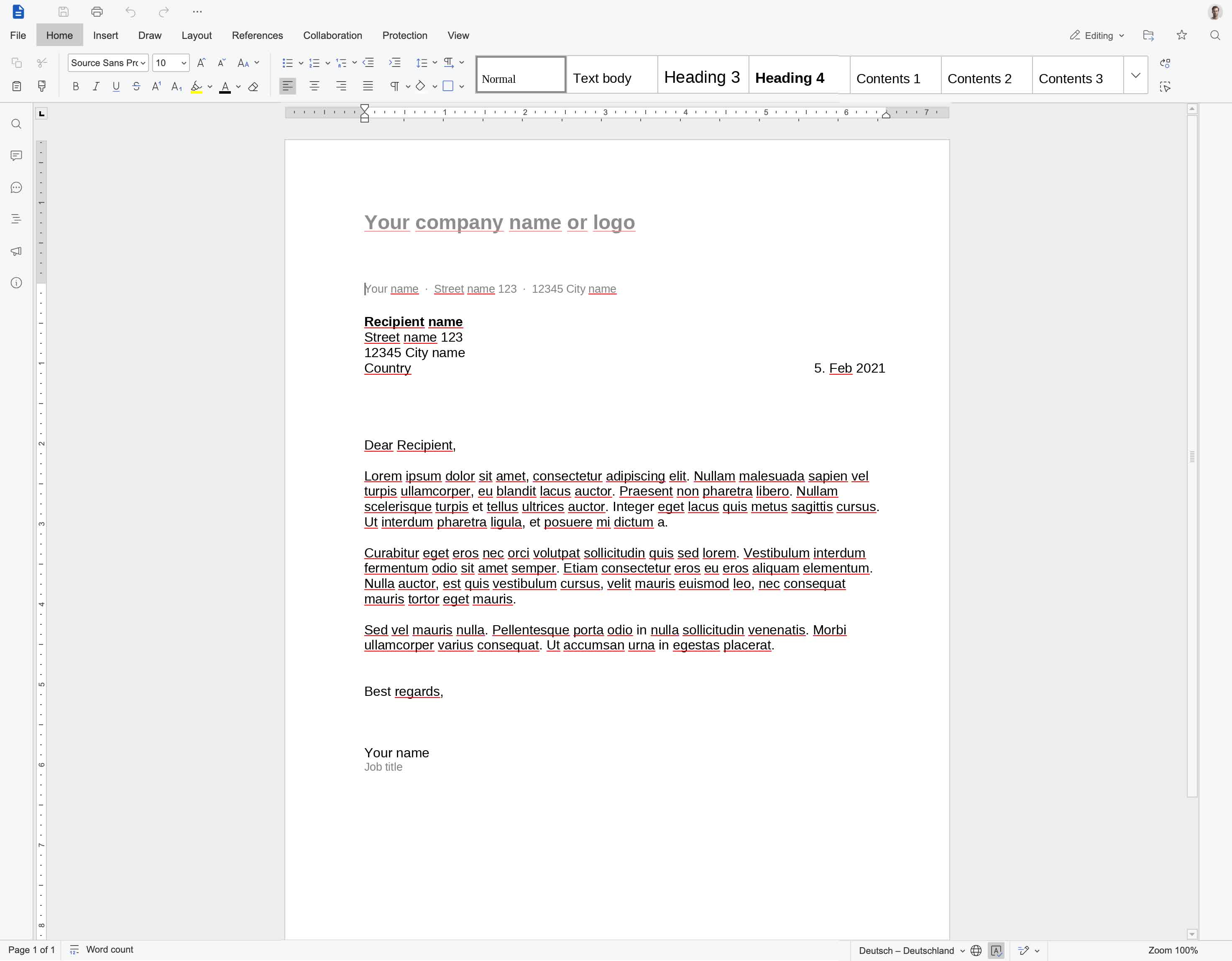
In context: A new open-source productivity suite built by European tech firms is sparking a broader debate around software sovereignty, licensing, and trust in the open-source ecosystem. The project, called Euro-Office, aims to give governments and companies across Europe a locally developed alternative to Microsoft Office and, in the process, has created a rift with the project it is built on, OnlyOffice.
Developed by a consortium including Nextcloud, Ionos, and Proton, Euro-Office builds directly on the open-source OnlyOffice codebase. It offers a word processor, spreadsheet editor, presentation tool, and PDF editor, all supporting Microsoft formats (docx, pptx, xlsx) and open standards such as ODF. Its preview version is already available on GitHub, with a 1.0 release expected this summer.
The new suite reflects a wider European push to reduce reliance on US technology providers. It sits within broader digital sovereignty efforts aimed at keeping critical infrastructure, data, and core productivity tools under European jurisdiction. For many public agencies and enterprises, control over code, governance, and product roadmap is becoming as important as matching the features of established US suites.
The project's emergence has also sparked a controversy about open-source and licensing compliance. OnlyOffice, whose software forms the foundation of Euro-Office, has sharply criticized the fork, alleging that its license terms under the GNU Affero General Public License v3 (AGPLv3) were violated.

"Any argument that a modified or derivative version of the software may be distributed under a 'pure' AGPLv3 license, excluding the additional conditions imposed pursuant to Section 7, is legally unfounded," the company said in a statement.
"The right to create and distribute derivative works arises solely from the license grant. Such a grant is conditional and indivisible. Accordingly, any derivative work based on the original OnlyOffice code may be created and distributed only in compliance with all applicable license terms, including the additional conditions."
The fork also raises questions of trust and transparency. The Euro-Office developers argue that OnlyOffice's origins and developer base in Russia make collaboration challenging, given current geopolitical tensions.
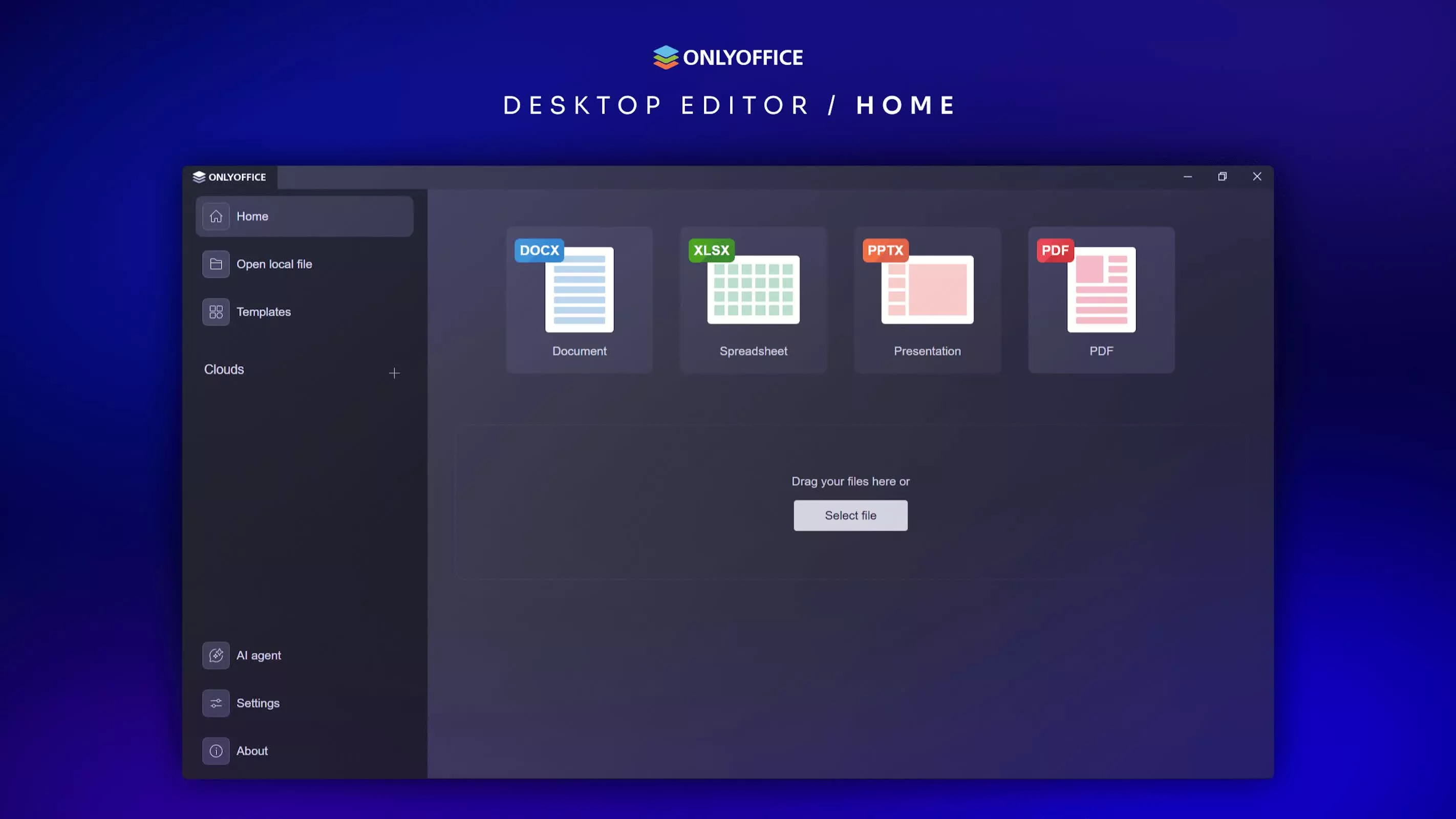
On its GitHub repository, the Euro-Office developers argue that OnlyOffice has Russian roots and a development team still largely based in Russia, which they see as problematic in the current geopolitical climate. In their view, open source depends on global collaboration and trust, but both are harder to maintain when political tensions are high. They also say that a lack of transparency around how the project is developed further undermines confidence.
They further claim that contributing to OnlyOffice is "impossible or greatly discouraged" and that "build instructions are unreliable, outdated or just plain broken."
OnlyOffice, which moved its operations to Latvia, disputes the characterization but acknowledges that Euro-Office could impact its business, especially given its reliance on enterprise deployments of its collaborative office software.
The dispute lays bare a central tension in open-source development: the right to fork code versus the commercial and political realities that can drive those forks.
For Euro-Office's backers, the fork is a path toward "Made in Europe" software independence. For OnlyOffice, it is a reminder of how geopolitical mistrust and license interpretation can turn open code into contested ground.