A hot potato: With generative AI becoming more prevalent in society, are we heading toward a future where an AI-created actor or script wins an Oscar? If it does ever happen, it certainly won't be anytime soon: the Academy of Motion Picture Arts and Sciences has just banned their eligibility for awards.
The Academy clarified rules for two categories related to AI, writes Vanity Fair. The first states that the only acting roles eligible for Oscar nominations are those "demonstrably performed by humans with their consent." Screenplays, meanwhile, must be human-authored to be eligible.
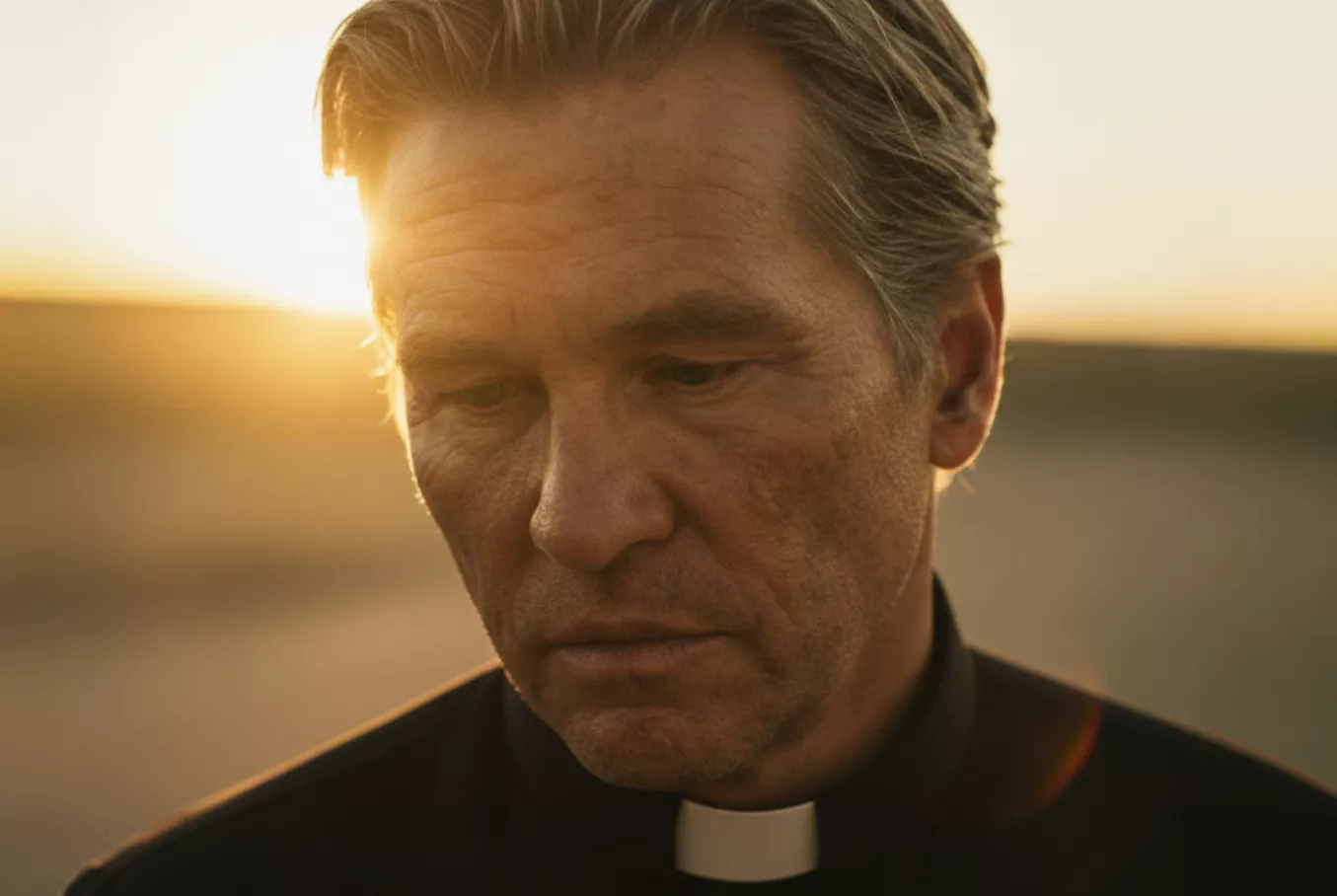
While this all sounds like something we'll have to deal with in the future, it's happening now. It was reported in March that the late Top Gun actor Val Kilmer was being digitally resurrected in AI-generated form to star in a movie called As Deep as the Grave. He originally signed on in 2020 but was unable to film any scenes due to his battle with throat cancer.
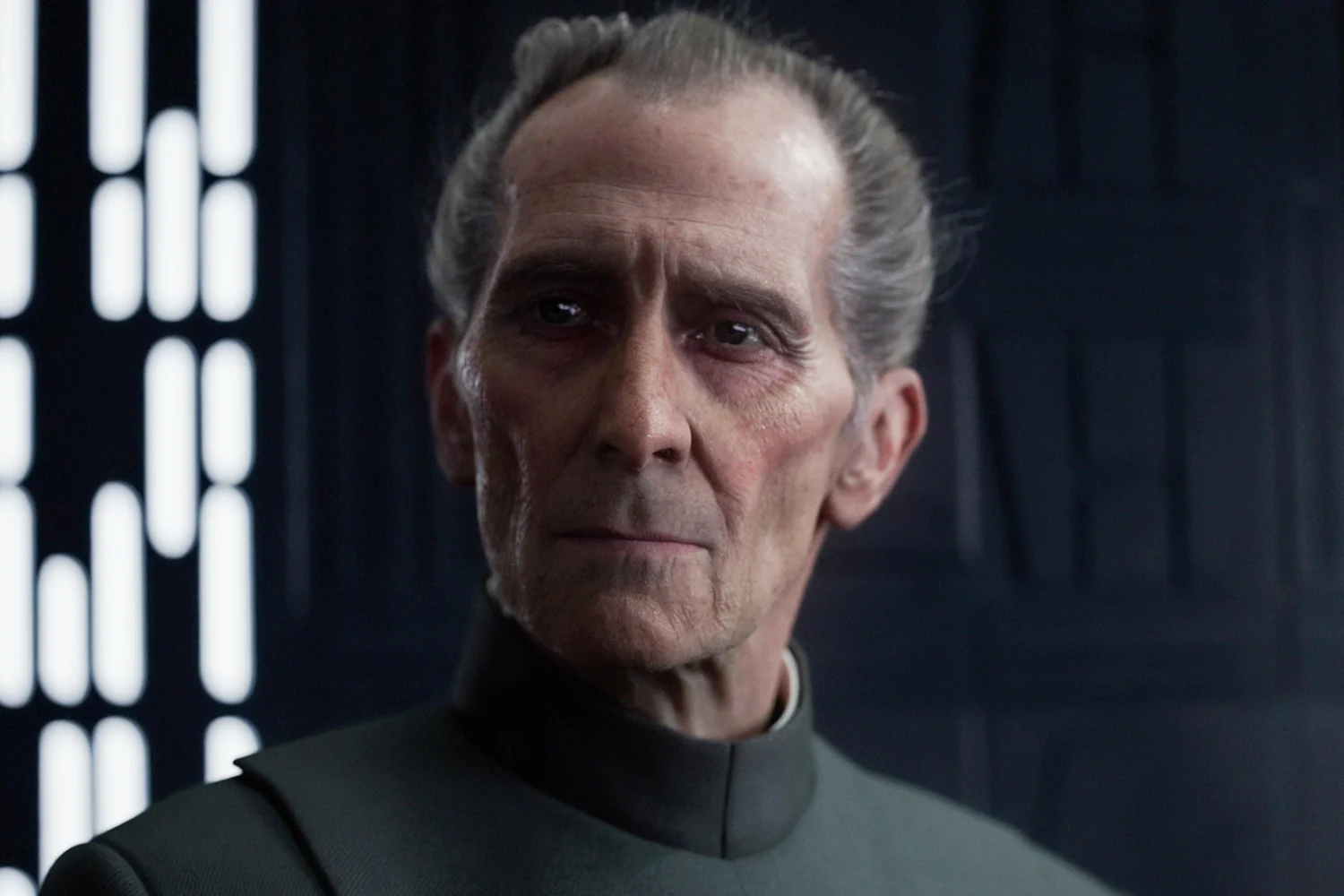
We've also seen actors brought back to life digitally to reprise old roles, including Ian Holm in Alien: Romulus four years after his death, and Peter Cushing in 2016's Rogue One: A Star Wars Story, which led to a lawsuit against Disney that was dismissed in December.
Then there's Tilly Norwood, the AI-generated "actor" unveiled last year to plenty of anger from SAG-AFTRA. The Dutch production company behind Norwood argued that audiences are more invested in a film's story than in its actors, and therefore, performers could easily be AI-generated.
As for scripts, there was Sunspring, starring Silicon Valley's Thomas Middleditch and directed by Oscar Sharp back in 2016. Its AI-generated script received praise at the time, though the film is now ten years old and the technology has moved on considerably. The same AI bot wrote a follow-up called It's No Game, starring David Hasselhoff, a year later.
The clarification doesn't mean any movie that uses generative AI is automatically out of the running. The Academy's new language allows the organization to ask for more information about how AI was used and where human authorship begins and ends. It means that AI-assisted visual effects, voice tools, de-aging, or other production tech should not by themselves make a film ineligible, assuming the nominated acting or writing work still comes from humans.
Hollywood's 2023 strikes put AI protections at the center of contract talks, and studios are now experimenting with tools that can clone voices, generate faces, and polish scripts. It seems the Academy is drawing its line before more concerns arise.