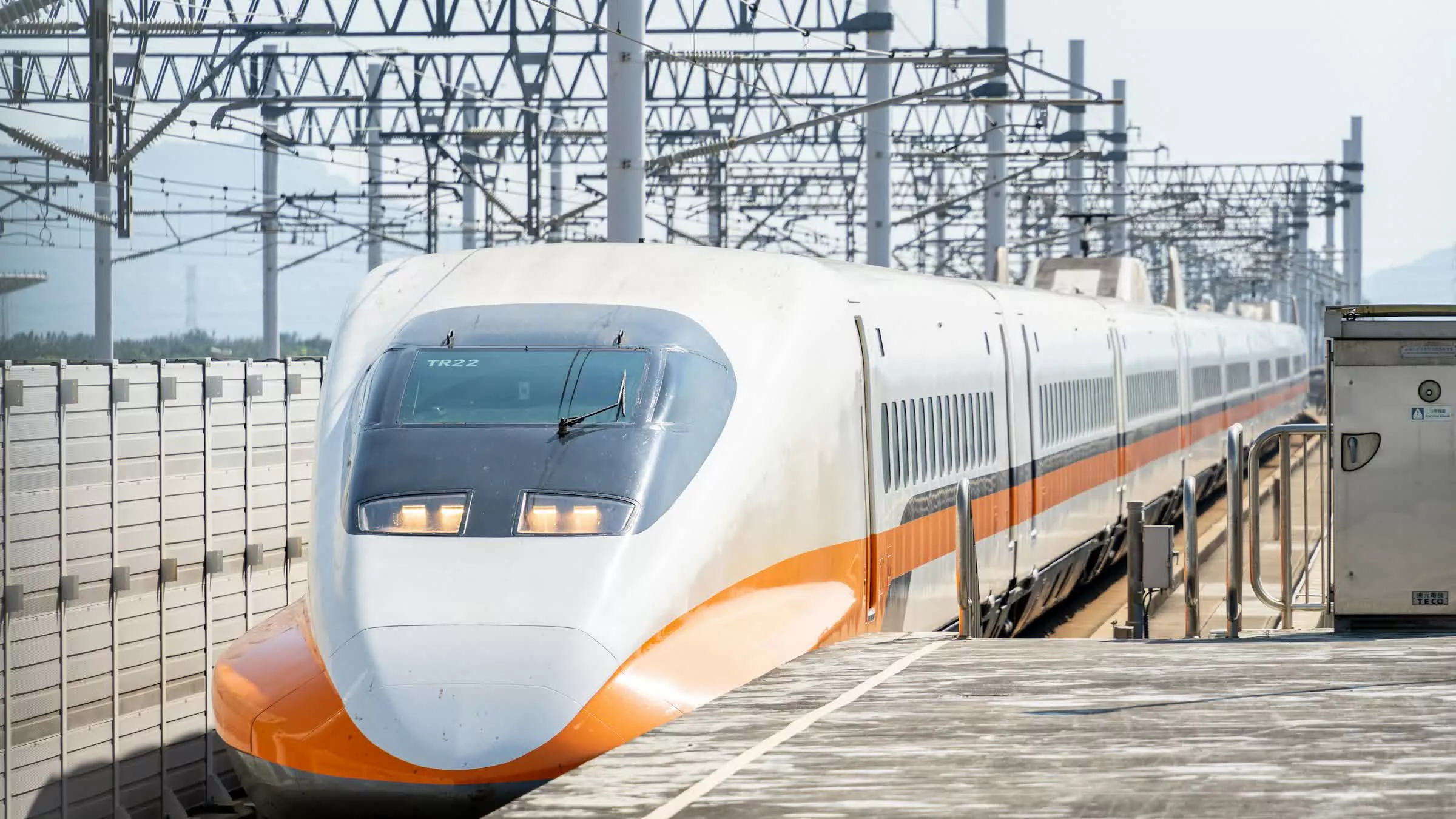
WTF?! What would it take to stop several high-speed bullet trains? In Taiwan, a student managed to bring some of them to a halt using just a radio kit. The 23-year-old was arrested for his unwise actions and is now out on bail.
Taiwan High Speed Rail (THSR) told local media that on April 5, a 48-minute stoppage affected four trains – though some outlets say it was three trains. The disruption was caused by a General Alarm signal that triggered emergency response protocols instructing the trains to stop manually.
The signal is normally activated by station staff using specialized equipment, but in this instance, a 23-year-old student, identified only as Lin, was responsible.
Reports say Lin used software-defined radio (SDR) equipment bought online to analyze THSRC signals, download the data to a computer, decode the TETRA (Terrestrial Trunked Radio) parameters, and program the codes into handheld radios that impersonated legitimate beacons. He then sent a general alarm signal to THSRC's control center in Taoyuan from his residence in Taichung.
Police say a 21-year-old accomplice provided Lin with some of the THSR parameters that enabled the attack.
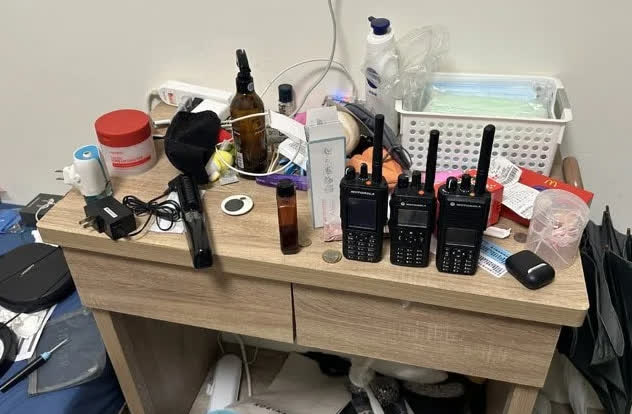
THSR checked its equipment after the alarm and found that no authorized radio had been stolen or misused, pointing investigators toward signal cloning. Police reportedly reviewed CCTV footage and TETRA network logs before searching Lin's home and workplace on April 28.
Authorities seized a laptop, smartphones, an SDR device, and multiple handheld radios. Reports differ on the exact number of radios recovered, ranging from seven to 11, but investigators say Lin had access to frequencies used not only by THSR but also by the New Taipei City Fire Department and the Taoyuan International Airport MRT Line.
The case has prompted Taiwan's Ministry of Transportation and Communications to order a review of railway communications security. Lawmakers asked whether radio replacement cycles, maintenance procedures, and security protocols were being updated regularly enough, especially after claims that the system had been in use for 19 years and that Lin bypassed several layers of verification.
Lin was released on NT$100,000 ($3,280) bail after questioning. His lawyer reportedly claimed the April 5 transmission was accidental, though prosecutors appear unconvinced. He could face charges related to endangering public transportation and illegal radio interference, with potential penalties that include a lengthy prison sentence if convicted.