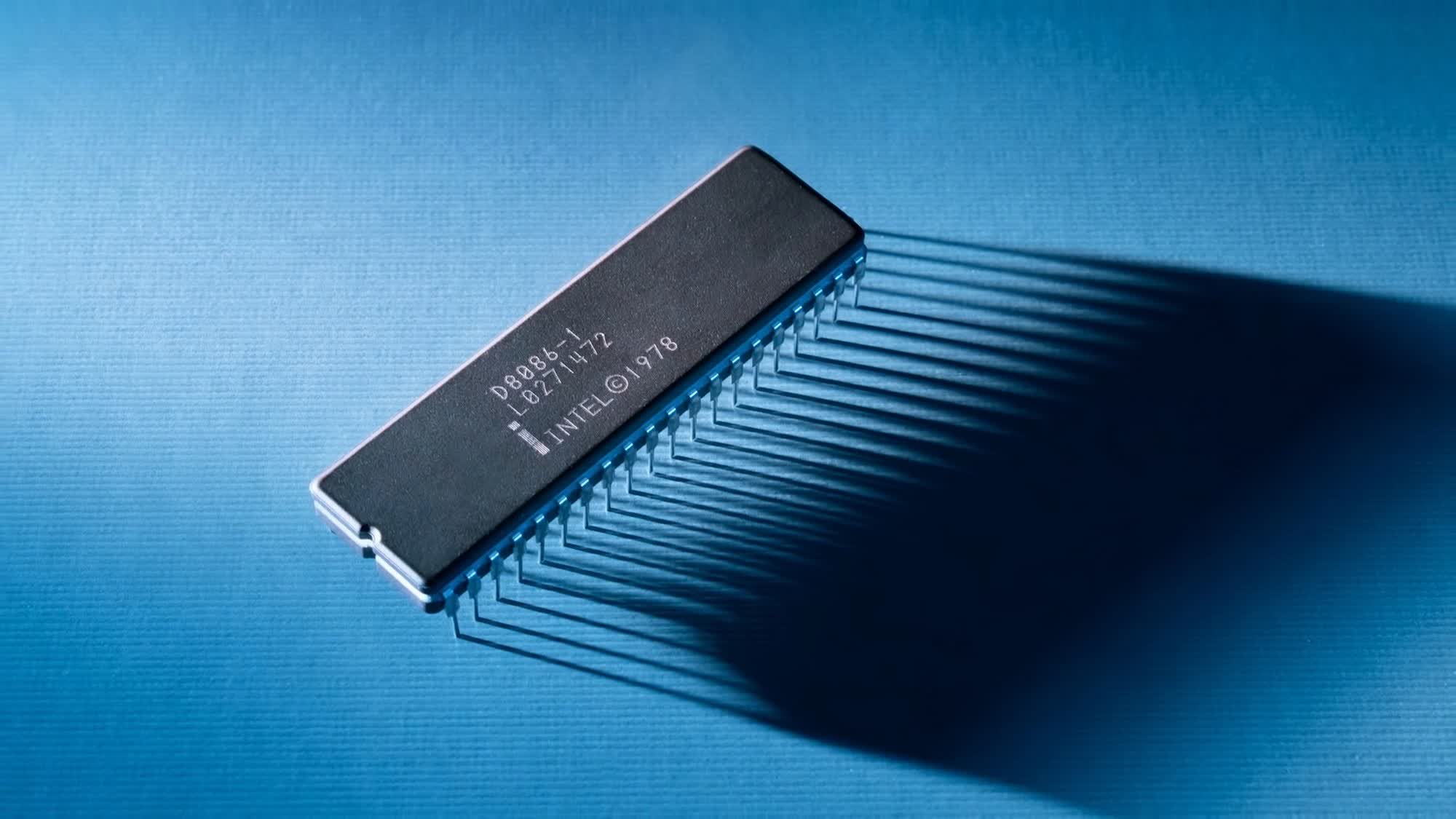
A legend was born Intel introduced the iconic 8086 microprocessor on June 8, 1978, laying the groundwork for a revolution in personal computing that would unfold over the following decades. The 8086 was not only Intel's first 16-bit CPU, but also the world's first chip based on the x86 architecture – the same foundation that still underpins the majority of personal computers nearly five decades later.
Curiously, the Intel 8086 was conceived as a stopgap while the more technologically ambitious 32-bit iAPX 432 struggled with repeated delays. Developed in just 18 months, it was still capable of supporting far more demanding applications than its predecessors, and was notably the first Intel chip to contain microcode.
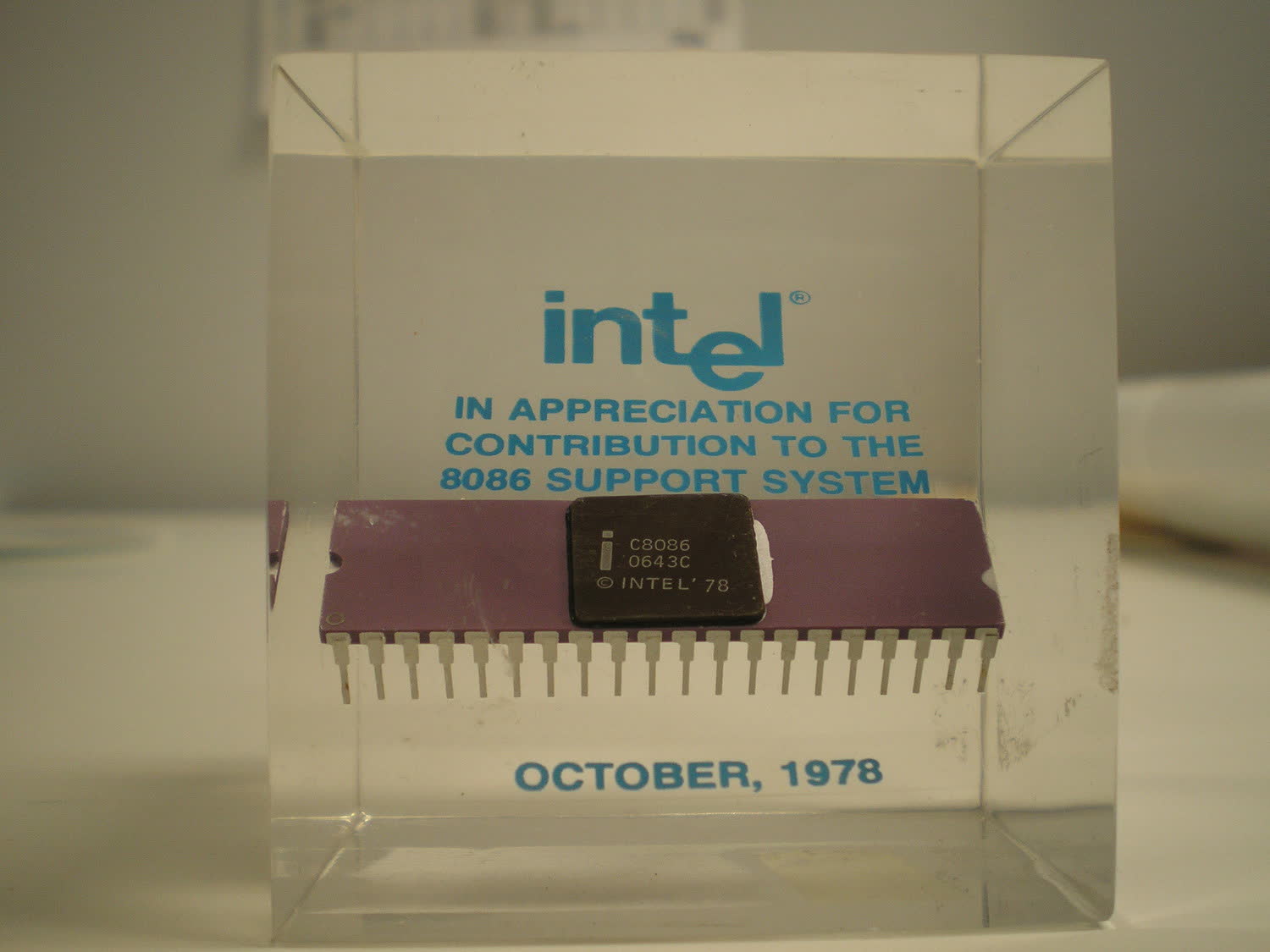
The biggest leap, however, was architectural. The x86 instruction set defined by the 8086 still underpins modern Intel and AMD processors today. The chip packed around 20,000 transistors (29,277 including ROM and PLA), featured a 40-pin package, measured 33 sq mm, and could address up to 1MB of physical memory – accessed via four 64 KB segments through dedicated segment registers.
The 8086 was manufactured using Intel's HMOS process and was sold in multiple variants, clocked between 5 and 10 MHz. Despite the new architecture, it was backwards compatible with older Intel 8-bit chips, such as the 8008, 8080, and 8085. The 8086 spawned many successors, such as the 80286, 80386, and 80486, which powered personal computers well into the 1990s.
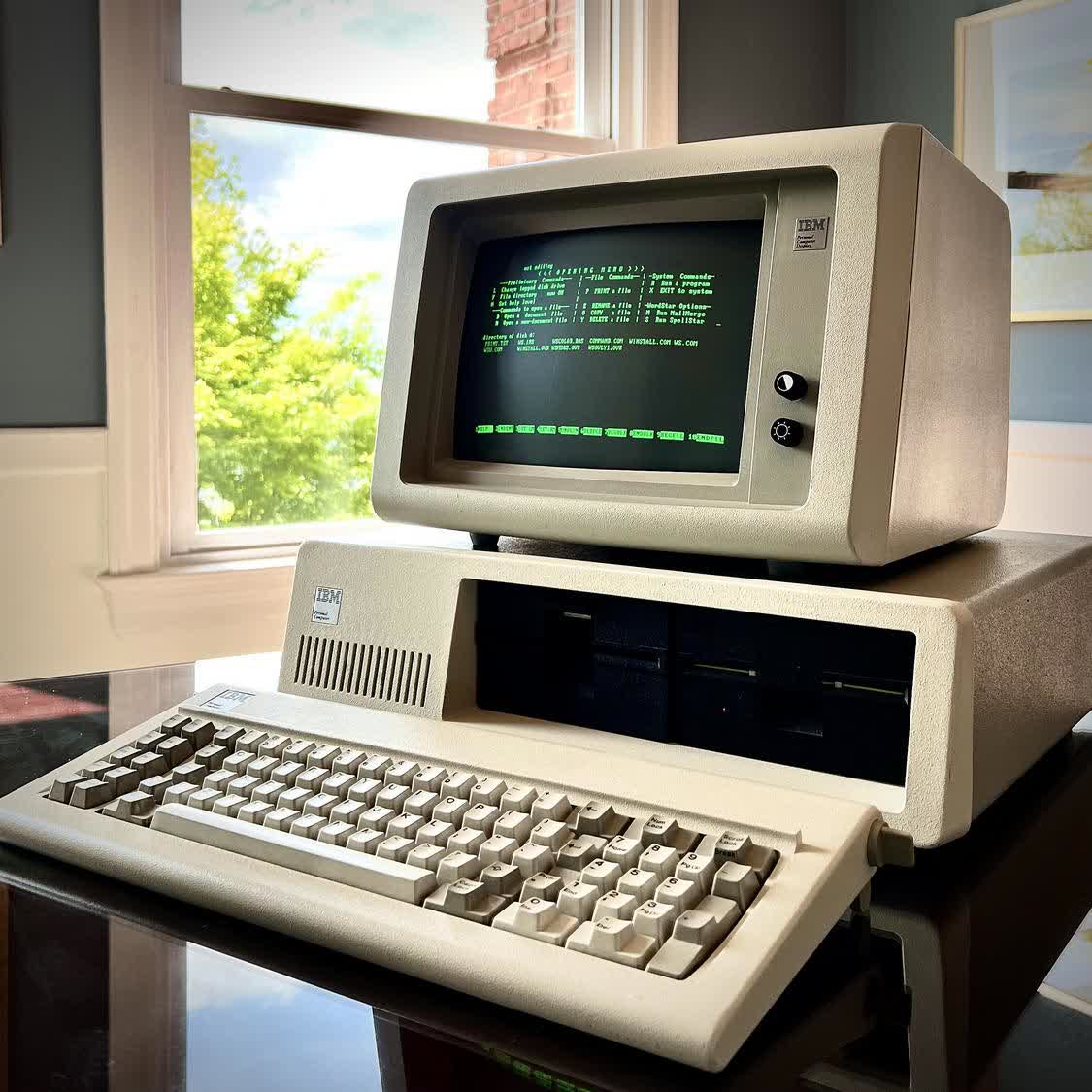
Image credit: Retroviator
The Intel 8086 was designed by a team of four engineers and 12 layout specialists, led by chief architect Stephen P. Morse, who defined the chip's instruction set architecture and register structure. Other notable figures involved in the chip's development were project manager Bill Pohlman, lead hardware engineer Jim McKevitt, and co-lead hardware engineer John Bayliss.
The most notable commercial device to be powered by the first wave of x86 chips was the original 1981 IBM PC, known officially as Model 5150. However, instead of the 8086, it featured the Intel 8088 microprocessor and proved to be such a major technological milestone that Time magazine set aside its Person of the Year award in 1982 and declared it Machine of the Year instead.
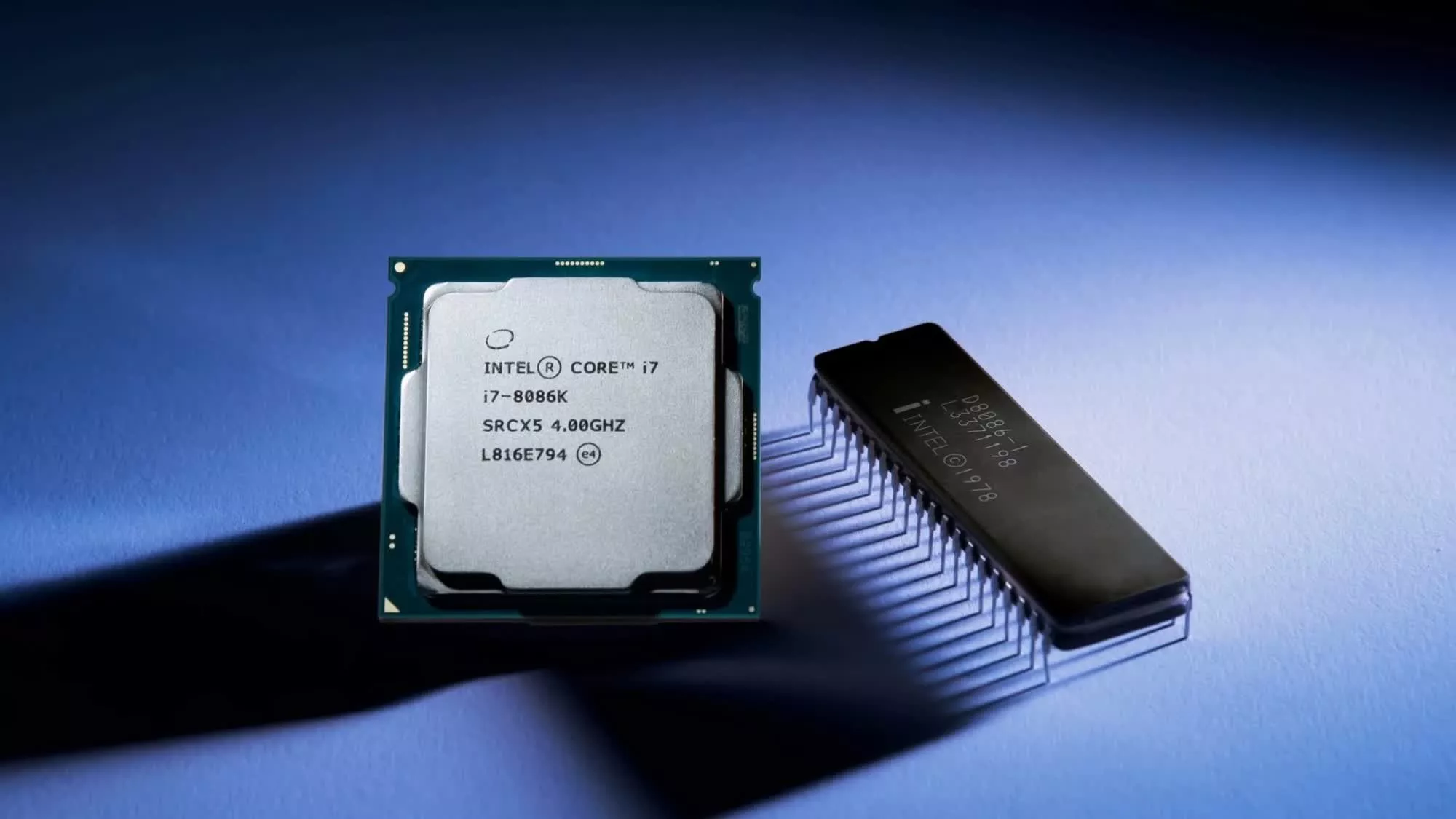
Intel celebrated 40 years of the 8086 in 2018 by launching the limited-edition Core i7-8086K – a 64-bit processor featuring 6 CPU cores, 12 threads, and an integrated graphics chip. It had a turbo frequency of up to 5.0 GHz, featured an unlocked multiplier, and utilized the LGA 1151 (Rev 2.0) socket.