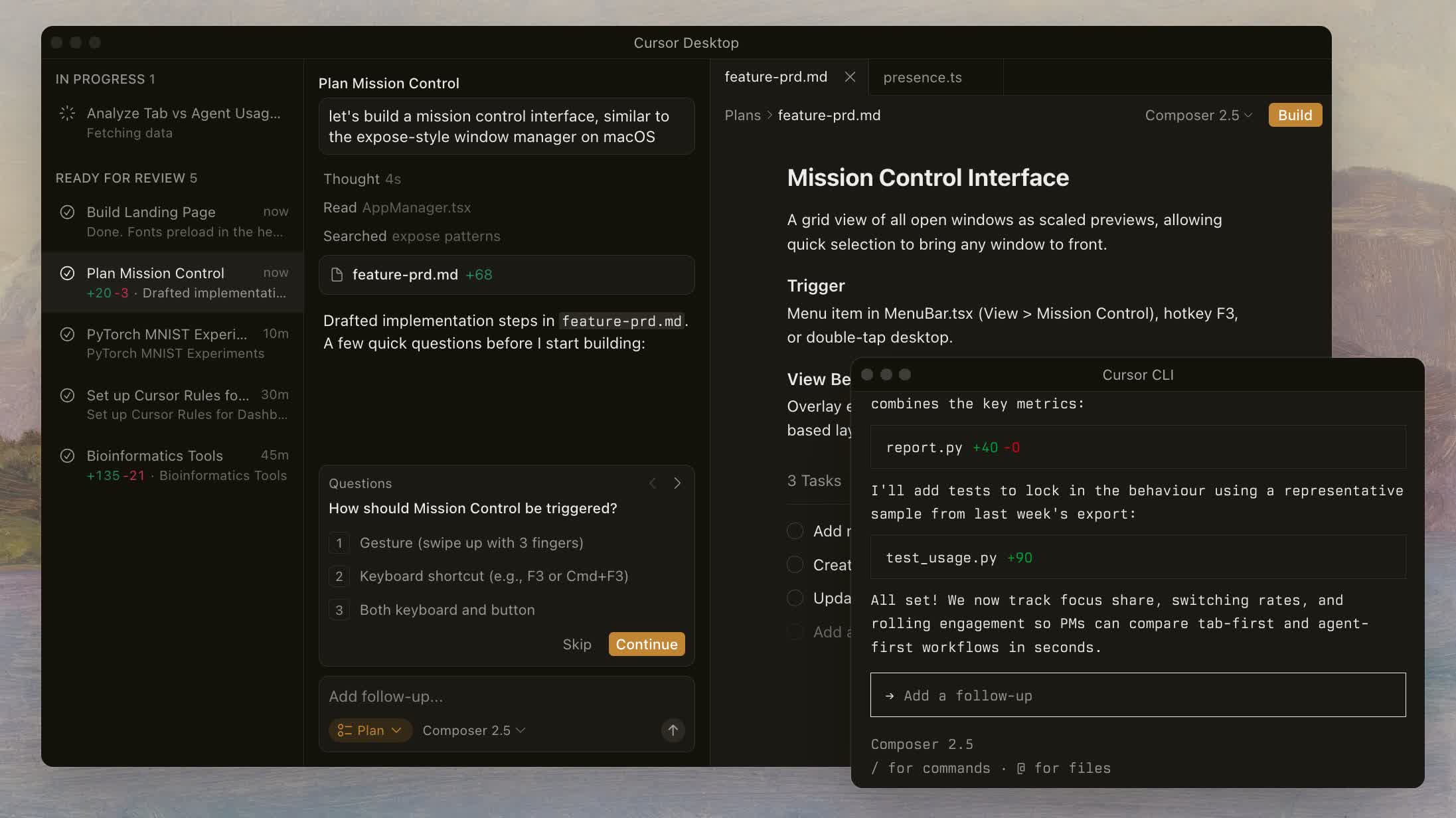
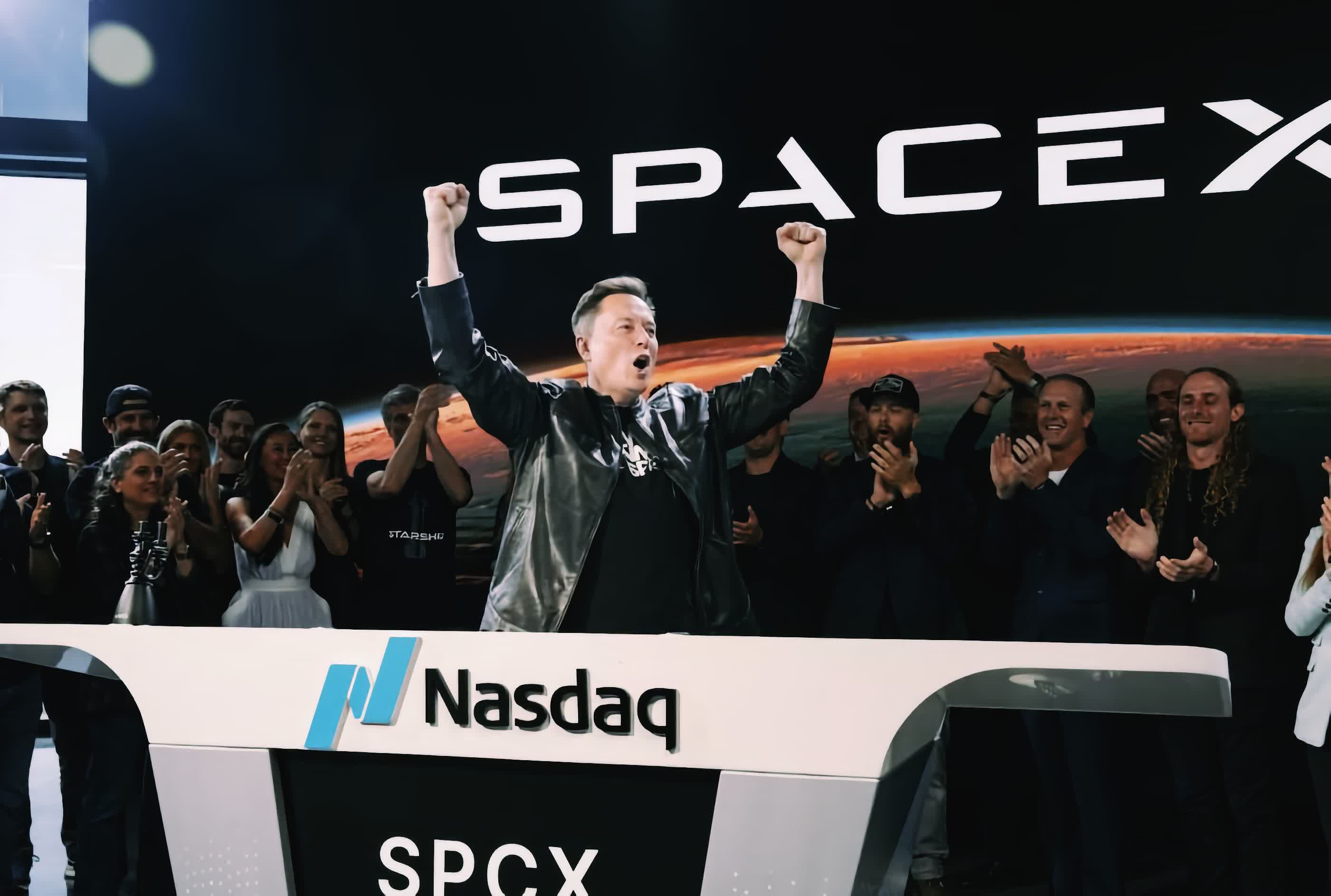
Why it matters: SpaceX is acquiring Anysphere, the San Francisco startup behind the popular AI coding assistant Cursor, in an all-stock deal valued at $60 billion. This is the largest acquisition of a VC-backed startup on record. The timing is deliberate. SpaceX went public just four days ago in the biggest IPO in stock market history, raising $85.7 billion and initially valuing the company at over $2 trillion.
Since the IPO, SpaceX shares have climbed more than 56% from the $135 offer price, briefly pushing SpaceX past Amazon to become the world's fifth most valuable company. Paying in stock rather than cash means SpaceX is using that inflated currency to its advantage. As investor Bill Ackman put it, the deal costs "materially less in dilution" precisely because SpaceX's valuation is so high.
The acquisition is a direct response to the struggles of SpaceXAI, the internal division formed when SpaceX absorbed Elon Musk's xAI earlier this year.
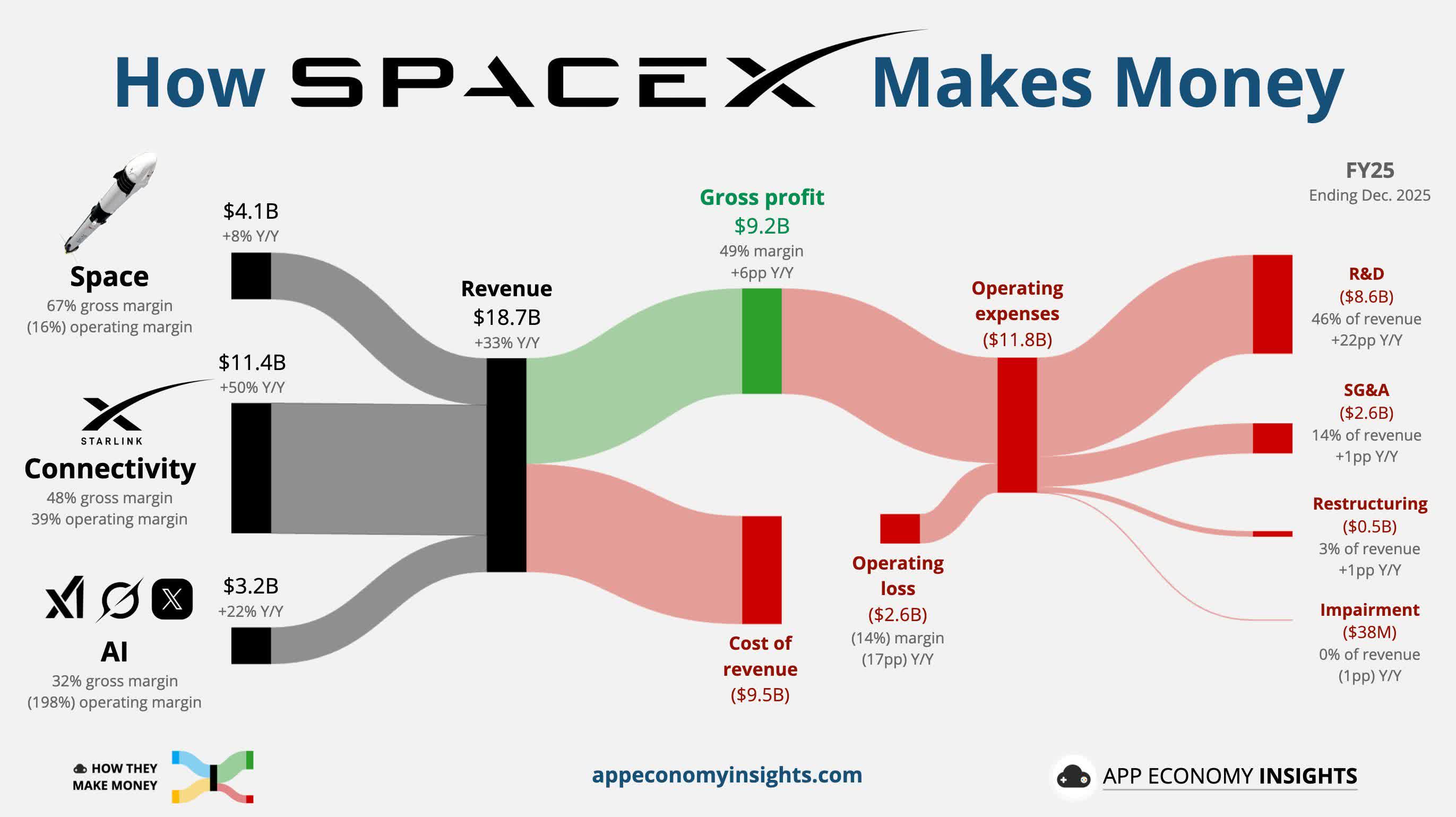
Despite anchoring nearly the entire SpaceX IPO pitch, the company told investors it sees a $26 trillion addressable market in AI, including a $22.7 trillion opportunity in enterprise applications. But xAI has failed to build a competitive coding product so far.
Cursor is what xAI couldn't produce. The tool, which lets developers write, debug, and modify code through natural-language prompts, has become one of the most widely used AI coding assistants among professional engineers. Customers include Stripe, Adobe, and Nvidia – whose CEO Jensen Huang has called it his "favorite enterprise AI service." It reportedly carries roughly $2.6 billion in annualized B2B revenue, with enterprise sales growing sharply.
SpaceX will pay a termination fee of $10 billion if the deal collapses under most circumstances, dropping to $4 billion if the deal fails specifically due to antitrust issues. But this arrangement didn't come out of nowhere. SpaceX disclosed the option to buy Cursor in April – at the same $60 billion figure, with the same $10 billion breakup fee – while holding off on completing the buyout until after the IPO.
Credit: App Economy Insights
The most pressing question for the developers who use Cursor daily is what happens to its model-agnostic design. The tool currently runs on Anthropic's Claude, OpenAI's GPT, and its own Composer models simultaneously, a core part of its appeal. SpaceX said it plans to release an AI model directly on Cursor, which the two companies have been jointly training for several months.
Whether SpaceX eventually makes Grok the primary backend, or preserves that flexibility to protect Cursor's market position, will be the clearest signal of how this integration is being handled.