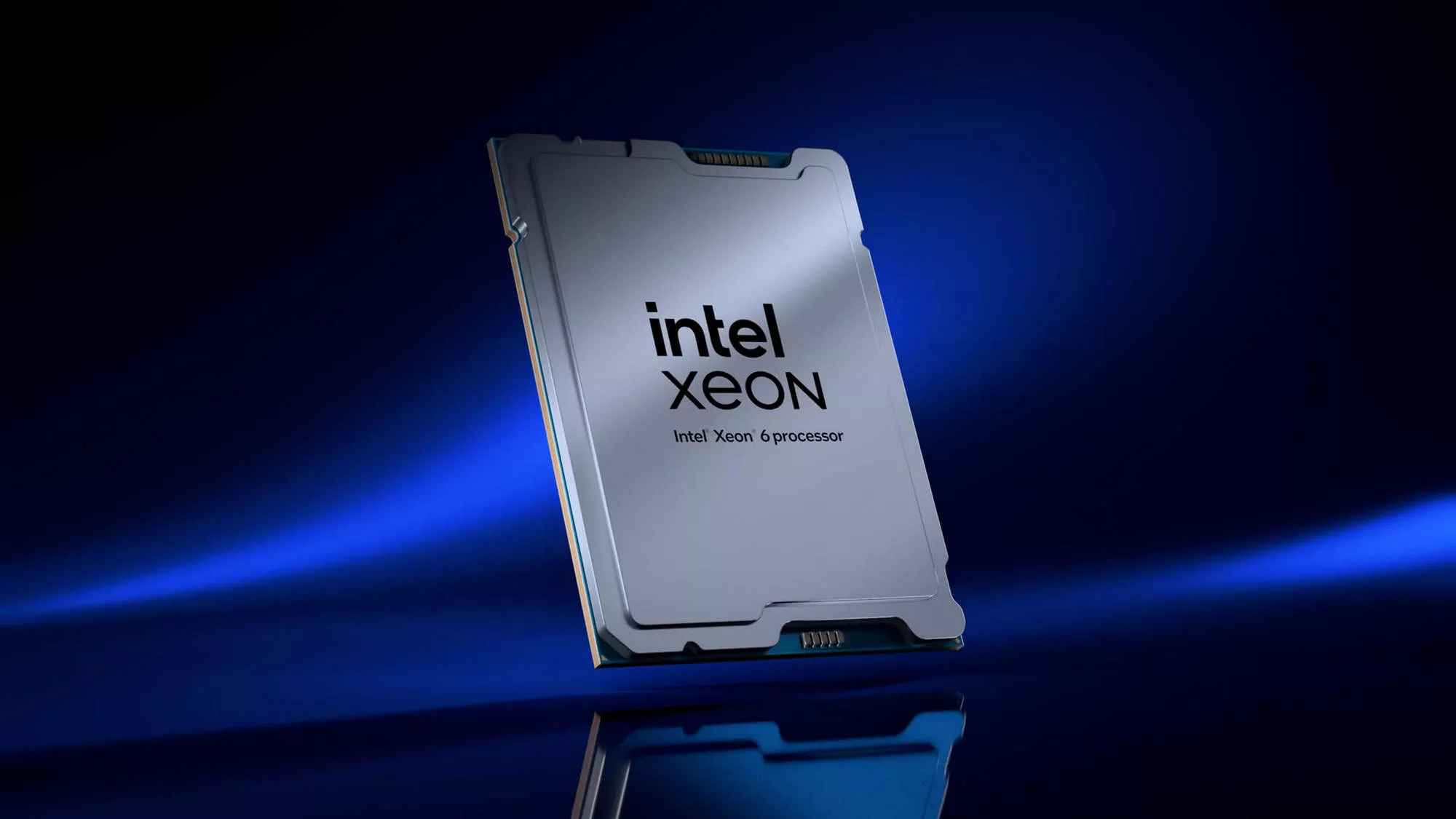
Forward-looking: In a major reversal from its earlier decision to ditch hyper-threading across its entire product portfolio, Intel has officially confirmed that simultaneous multi-threading will return to its data center processors with the Xeon 8 "Coral Rapids" family, scheduled for release in 2028. However, the company did not confirm whether the technology will also return to its client CPUs.
Speaking to investors and analysts at Intel's Q2 2026 earnings call on Thursday, CEO Lip-Bu Tan said that the company is working on several strategies to regain its CPU market share across the retail and enterprise segments, including bringing back simultaneous multi-threading with Coral Rapids in 2028. He added that Intel is also focusing on improving single-threaded performance to regain competitiveness in key market segments.
Tan confirmed the return of hyper-threading while answering a question from Morgan Stanley analyst Joe Moore, who asked if the company had any concrete plans to regain lost market share from AMD and Arm in the next five years. Tan did not directly address Intel's rivalry with AMD and downplayed the competition with Arm, saying that the British chip design firm is a "great partner" for Intel, and that the two companies have a strong working relationship.
After making processors with hyper-threading for more than two decades, Intel ditched the technology with the launch of Arrow Lake-S in 2024. However, the company had already reduced its use of hyper-threading over the previous processor generations, starting with the Alder Lake family in 2021. Alder Lake, which was Intel's first desktop processor family to feature a hybrid core architecture, incorporated hyper-threading only in its performance cores while the efficiency cores implemented only a single hardware thread each.
On the server side, the company's current-generation Xeon 6 Granite Rapids processors retain hyper-threaded performance cores, offering up to 128 physical cores and 256 threads. However, the Xeon 6+ Clearwater Forest family ditches hyper-threading entirely, featuring up to 288 single-threaded E-cores built on Intel's 18A process node. The upcoming Xeon 7 Diamond Rapids lineup is expected to offer up to 192 performance cores without simultaneous multi-threading.
Hyper-threading, which is Intel's proprietary implementation of simultaneous multi-threading, was originally introduced in the early 2000s in single-core Xeon and Pentium 4 processors, promising improved performance in multi-threaded workloads. But with the steady increase in the number of physical cores in x86 CPUs, Intel ditched hyper-threading in the belief that it was largely a relic of the past and not nearly as important as it was twenty years ago.