What we know so far: Private companies in the US have traditionally been allowed to defend their own networks from bad actors, but launching their own attacks against hackers has been out of the question. That's about to change. A new White House program will let vetted security firms surveil, disrupt, and even destroy overseas cybercriminal infrastructure while operating under federal authority.
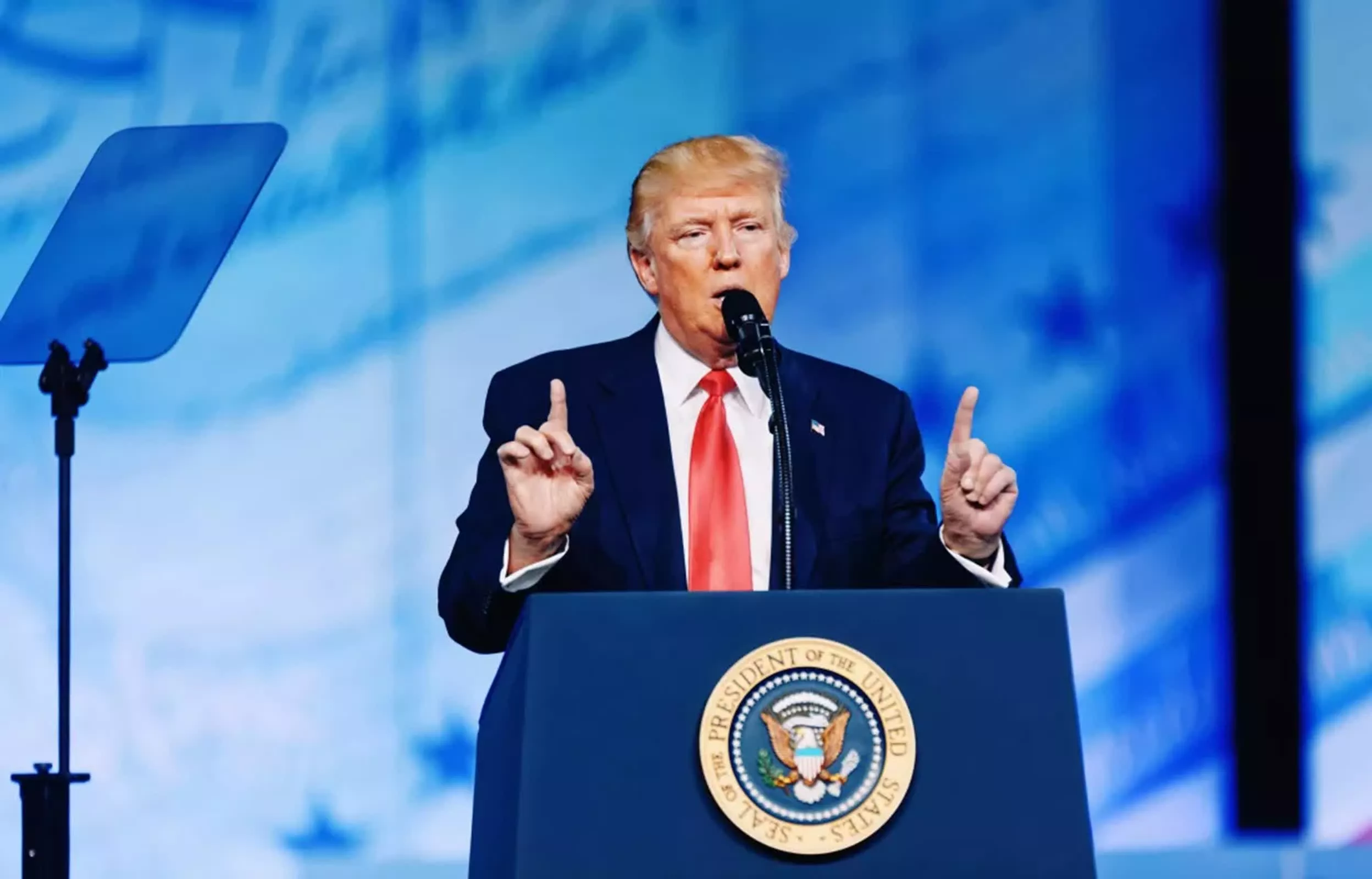
President Donald Trump signed the National Security Presidential Memorandum on Wednesday. The move marks the first time the federal government has authorized private companies to conduct offensive cyber operations.
The targets will be foreign cyber-enabled transnational criminal organizations that attack US people, businesses, or government bodies. The White House highlighted ransomware, phishing, financial fraud, sextortion, and impersonation scams as examples.
The Homeland Security Task Force's National Coordination Center will run the program, overseen jointly by executive directors from the Department of Justice and Department of Homeland Security.
Participating firms must contract with one department and pass vetting covering technical ability, operational experience, facility security, and personnel.
Rules are due within 60 days and must accommodate both large companies and smaller specialists.
Authorized companies will be able to perform covert cyber surveillance, including accessing systems without the owner's permission. They may also conduct more aggressive cyber effects operations that manipulate, disrupt, deny, degrade, or destroy systems, networks, infrastructure, and data.
The memorandum isn't a blanket license to hack the hackers. Every operation requires written approval and must remain under federal supervision. Program directors can't authorize actions likely to kill or seriously injure someone, or amount to a use of force or armed attack under international law. A firm that accidentally targets a US person or US-based system must stop and immediately report it.
Companies may also be required to place at least $1 million in a bond or escrow account, forfeitable for breaking their agreements.
Allowing firms to fight back might sound like a good thing, but there are some obvious risks. Criminals frequently route attacks through compromised systems belonging to innocent parties, creating the possibility of collateral damage.
It can also be difficult to determine whether a gang is connected to a foreign government, while the memo assumes it is independent unless clear intelligence proves otherwise.
Legal experts warn that participating staff could face prosecution abroad. There are also fears about escalation, unintended consequences, and poor interagency coordination.
"President Trump is unleashing every available tool to stop foreign-based organized criminal organizations that exploit Americans in cyberspace," the White House wrote in a fact sheet.